
Solar in Dunedin and Otago 2026: Costs, Rates and Payback
Aurora's 10kW export limit (lifted from 5kW in 2025), Central Otago's clear-sky bonus, and what 29.8c power does to payback. What Dunedin and Central Otago homeowners need to know.
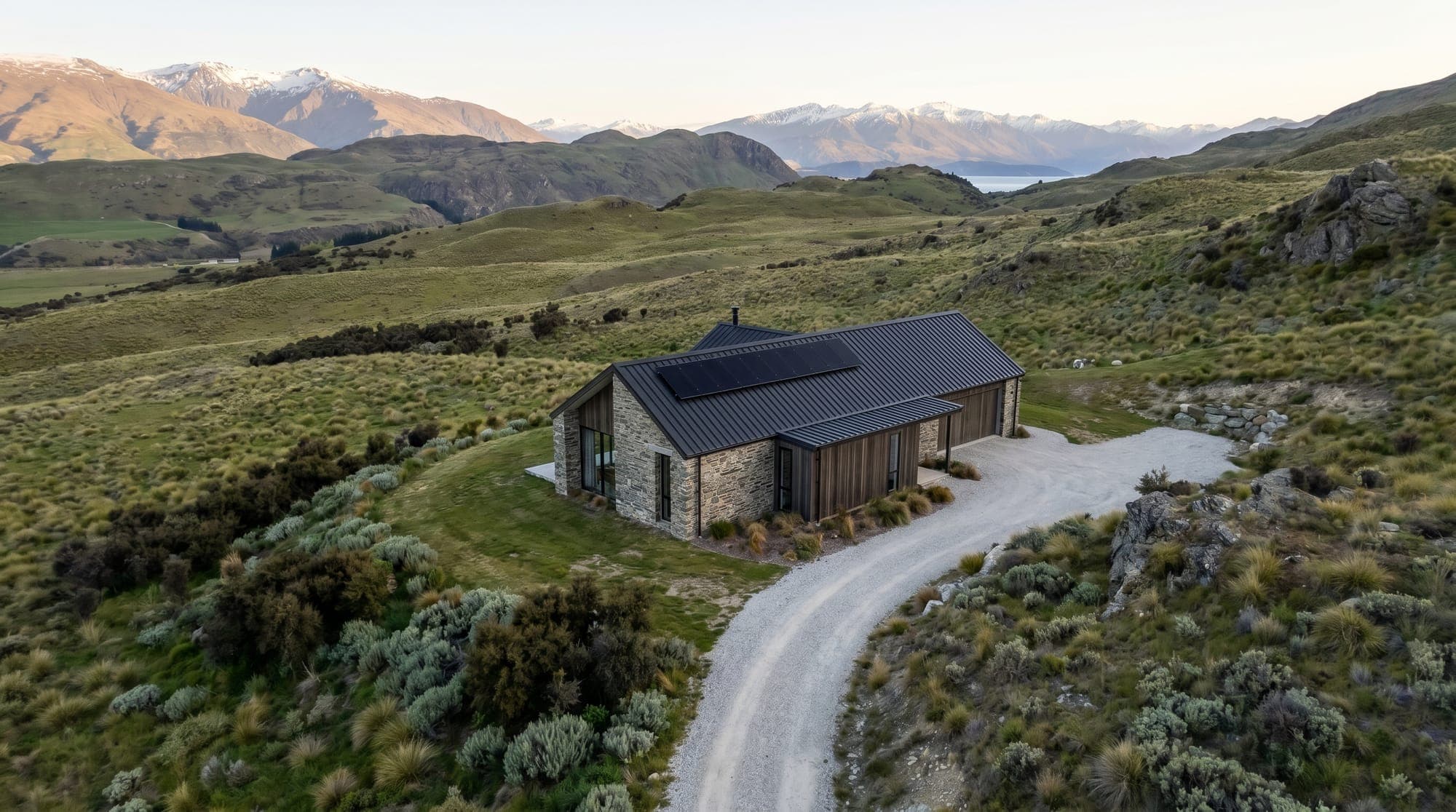

Otago solar: key takeaways
- Otago power at 29.8c/kWh and some of the country's most competitive install pricing in Dunedin are what drive the solar payback here more than the sunshine does.
- A typical 6.6kW Otago system costs about $13,500 installed and generates roughly 8,740 kWh a year from 4.0 peak sun hours.
- A 6.6kW Otago system saves about $1,730 to $1,880 a year off a 29.8c/kWh power bill and pays for itself in roughly 7.2 to 7.8 years.
- Aurora Energy lifted Otago's residential export limit to 10kW in August 2025, up from 5kW; your installer lodges the connection application and approval is usually automatic.
- Central Otago towns including Cromwell, Alexandra and Wanaka get clearer skies than coastal Dunedin and beat it on annual yield by about 5 to 8%.
Is solar worth it in Otago?
Otago power averages 29.8c/kWh, mid-pack for the regions we cover but still real money off a winter bill, and solar here pays back in about 7.2 to 7.8 years for most homes, helped by Aurora Energy's move to a 10kW residential export limit (up from 5kW in August 2025). Central Otago residents in particular get exceptional crisp, clear-air sunshine in summer. Cromwell, Alexandra, and Wanaka are some of NZ's clearest-sky locations, though shorter winter days do drop output significantly from June through August. A typical 6.6kW Otago system generates around 8,740 kWh annually, comparable to Waikato. The combination of Aurora's lifted export ceiling, the dry-air clarity bonus in Central, and some of the country's most competitive install pricing in Dunedin means Otago is one of the better-value solar markets in the South Island. This guide covers the regional production figures, Aurora's connection process, and Solar Scout-vetted installers operating across Dunedin, Queenstown, Cromwell, Alexandra, and Oamaru.
The Otago pattern to plan around is the mismatch between when you generate and when you use. January delivers around 215 hours of sunshine and June around 85, while the heating load runs the other way entirely. That argues for sizing to your year-round daytime use and thinking about how you would shift hot water and heating into daylight, rather than simply maxing out the roof. For a clear look at the assumptions behind every payback figure, our full NZ payback breakdown sets out how the maths is put together.
Want a personalised estimate for your Otago home? Answer a few quick questions and compare quotes from up to 3 Solar Scout-vetted installers.
How much solar will you generate in Otago?
With 4.0 peak sun hours per day and a production factor of 1.00relative to the national baseline, here's what a typical roof-mounted system generates in Otago per year.
Assumes you use 40 to 50% of what you generate and export the rest at 13c/kWh. The daily fixed charge on your bill does not go away with solar, so it is not counted as a saving. The daytime rate used here is 29.8c/kWh. Your actual savings depend on roof orientation, shading, and your daily usage pattern.
For the national picture, see how Otago stacks up against the rest of the country on annual generation per kW installed.
Queenstown-Lakes runs on different numbers, with a dearer install and far more shading risk; our guide to solar in Queenstown and Wanaka covers the Lakes separately.
Electricity and buy-back rates
The daytime variable rate in Otago averages 29.8c per kWh across the retail plans available on the local network. Every kilowatt-hour you self-consume from your panels saves you that variable rate. It does not remove the daily fixed charge, which you keep paying whatever your panels produce, so we never count it as a saving. Excess generation flows back to the grid, and your retailer pays you a buy-back rate. Retailers set those rates nationally rather than by region, so the figures below apply in Otago the same as anywhere else. Each card shows the headline rate and the rate you earn outside the peak windows, because for a household without a battery the second number is the one that does most of the work.
Buy-back conditions
Contact Energy
Contact publishes the Good Charge peak window (7am to 9am and 6pm to 10pm weekdays, for battery-and-solar customers) but not the peak rate: it prices by address, so there is no national figure to print, and your export rate is set when you register your solar. Powerswitch's September 2026 table lists Contact's residential buy-back at 8c/kWh on selected residential plans, the lowest here. So the 25c peak quoted all over the internet is a national number for a retailer that does not have one.
Buy-back conditions
Ecotricity
ecoSOLAR pays 21c/kWh peak and 16c/kWh off-peak. The peak WINDOW is not published, and neither is the GST basis on Ecotricity's own page. Powerswitch also lists a flat-rate alternative at 18c/kWh for low users and 17c/kWh for standard users, which pays the same rate all day and can suit a household without a battery better than the peak plan. Confirmed against Powerswitch's September 2026 table.
Buy-back conditions
Electric Kiwi
Sources disagree and we will not pick one. Electric Kiwi's own solar page advertises a 23c/kWh buy-back and quotes 11.5c/kWh off-peak (incl GST). Powerswitch's September 2026 table says MoveMaster pays 20c/kWh peak (weekdays 7 to 9am and 5 to 9pm) and 10c/kWh off-peak, and that the Everyday and GO250 plans pay 8c/kWh. Ask for the number in writing before you switch.
Buy-back conditions
Frank Energy
Flat 12.5c/kWh, and Frank's own FAQ says the credit is shown before GST. If you are not GST-registered you are not making a taxable supply, so 12.5c is what lands on the bill: the 15% is added only for GST-registered customers, via a buyer-created tax invoice. Systems up to 50kW, and you need an export-capable meter. Frank does not appear on Powerswitch's solar table, so this was confirmed on Frank's own FAQ (page updated 19 May 2026).
Buy-back conditions
Genesis Energy
Two shapes on the HomeGen plan. Time-varying pays 15c/kWh peak (7 to 9am and 5 to 9pm) and 12.5c/kWh off-peak (9am to 5pm and 9pm to 7am). Anytime pays a flat 12.5c/kWh with no window to chase, the same rate as its Frank brand. Genesis states its export rates exclude GST. Confirmed against Powerswitch's September 2026 table.
Buy-back conditions
Mercury
The Flex plan is seasonal AND time-of-use, so it has four rates, not two. Winter (1 May to 30 Sep): 20.38c/kWh peak and 15.75c/kWh off-peak. Summer (1 Oct to 30 Apr, the seven months a roof exports most): 10.44c/kWh peak and 9.17c/kWh off-peak. Peak is 7 to 11am and 5 to 9.30pm in both seasons. The ranges above span the year because no customer is ever paid a winter peak and a summer off-peak at the same time. Mercury's flat plan pays 11.1c/kWh instead. Rates exclude GST. A further 6.9c/kWh for two years is available if you install through one particular installer: that is an installer arrangement, not a plan rate, and it is deliberately not folded into the rate above. Confirmed against Powerswitch's September 2026 table.
Buy-back conditions
Meridian Energy
15c/kWh year-round on the open-term Freedom and Night Saver plans, lifting to 24c/kWh in the winter peak windows only (7 to 10am and 5 to 9pm, July to September). Exports bill at 15c and the extra 9c arrives as a separate credit; you need a communicating smart meter to get it. Other residential plans, including the EV plan, get a flat 12c. Meridian's page says rates do not include GST. Confirmed against Powerswitch's September 2026 table.
Buy-back conditions
Nova
A flat 10c/kWh all day, with no peak window to chase and no seasonal split. Sourced from Powerswitch's September 2026 table, which publishes rates excluding GST; Nova's own page does not state a basis.
Buy-back conditions
Octopus Energy
The Peaker plan (systems 20kW or less) pays 23c/kWh peak and 10c/kWh off-peak, peak being 7 to 11am and 5 to 9pm on weekdays. Octopus says on its own page that you are unlikely to make the most of the peak rate without a battery. The standard Flexi plan (10kW or less) pays 19c peak and 14c off-peak, and Free Lunch pays 17c peak and 8c off-peak. ⚠ All of these are lower on the Northpower and Top Energy networks, so Northland is not on the national numbers: Peaker is 21c/8c and Flexi 17c/12c there. Confirmed against Powerswitch's September 2026 table, which now agrees with Octopus's own page.
Buy-back conditions
Power Edge
⚠ Read the condition. Powerswitch's September 2026 table lists 17.39c/kWh with a 3-year contract, and 12.5c/kWh without one, so the headline rate costs you three years of switching freedom. Power Edge's own pages advertise different figures again (17c year-round and up to 27c in a winter peak on its homepage, 14.37c on its join page, and a 20c 'Power Shield' rate that is the same 17.39c with GST added). Ask which number applies to you, in writing, before you sign. Powerswitch publishes excluding GST.
Buy-back conditions
Powershop
13c/kWh for most of the year, lifting to 23c/kWh in the winter peak only: 7 to 11am and 5 to 9pm, Monday to Friday, during July, August and September. That is three months of weekday mornings and evenings, so a roof without a battery earns the 13c rate for the overwhelming majority of what it exports. Sourced from Powerswitch's September 2026 table, which publishes rates excluding GST.
Buy-back conditions
Pulse Energy
A flat 12c/kWh, but Powerswitch notes it varies depending on location, so confirm the figure for your address before you switch. Sourced from Powerswitch's September 2026 table, which publishes rates excluding GST.
Buy-back conditions
Toast Electric
A flat 12.5c/kWh all day, but Toast only serves four networks: Wellington Electricity, Electra, Powerco Wairarapa and Orion. If your address is outside those, this rate is not available to you at all. Sourced from Powerswitch's September 2026 table, which publishes rates excluding GST.
Self-consumption is the bigger saving: every kWh you use yourself is worth 2 to 3 times more than every kWh you export. For the full national retailer comparison, see our buy-back rates guide.
Aurora Energy export rules
Aurora Energy (Dunedin, Central Otago, Queenstown and Wanaka; Oamaru sits on Network Waitaki's lines) lifted the residential export limit to 10kW in August 2025, up from 5kW. This was a significant change for South Island solar economics. Your installer lodges the connection application for every system; most standard home installs are approved automatically under Aurora's fast track, and where further assessment is needed Aurora allows up to 30 working days. Otago install timelines are competitive with the North Island despite the smaller market.
For the full step-by-step from accepting a quote to switch-on, see our NZ solar installation process guide.
Typical system economics
Below is what a typical 6.6kW system looks like in Otago from a financial perspective. Real numbers will vary with installer, brand, and roof complexity. For the full national pricing context, our NZ solar installed-cost guide shows what 6.6kW jobs typically include and how to spot a fair quote.
What you can expect in Otago
System size
6.6kW
Installed cost
$13,500
Annual generation
8,740 kWh
Annual savings
$1,730-$1,880
Payback period
7.2-7.8 yrs
After this point, the power is yours.
Assumes you use 40 to 50% of what you generate and export the rest at 13c/kWh. The daily fixed charge on your bill does not go away with solar, so it is not counted as a saving. Estimates also use the regional production factor and the local daytime variable rate. Your actual savings will vary with your roof, usage pattern, and retailer.
Sunshine by month in Otago
Solar generation tracks closely with sunshine hours. Here's how Otago's monthly sunshine hours look across the year (NIWA data).
How Otago compares month-to-month
How Otago compares with nearby regions
Here's how Otago's solar numbers stack up against its neighbouring regions, on annual sunshine, typical output from a 6.6kW system, local power price, and payback period.
Choosing a solar installer in Dunedin and Central Otago
Dunedin has its own pool of installers, and Central Otago is typically serviced from Dunedin, Cromwell or Queenstown, so ask any installer quoting a Central job where their crew is actually based. The standard filters apply: SEANZ membership, EWRB-registered electricians, a written workmanship warranty of five years or more, and references from jobs in your part of the region.
The Otago-specific checks: in Central, ask whether the mounting specification accounts for snow loading, and everywhere, confirm the installer files your Aurora Energy distributed generation application, the approval behind the 10kW export limit. For a warranty callout in year six, an installer two hours away is a very different proposition from one in town, so weigh distance alongside price.
Our guide to choosing a solar power installer covers SEANZ membership, the questions to ask, and the red flags to avoid, wherever in the country you are.
Solar Scout-vetted solar installers serving Otago
Every installer in the Solar Scout network is independently vetted. We connect you with up to 3 operating in your area so you can compare quotes on price and fit, never an open auction.
- EWRB registration: Licensed to do electrical work in New Zealand
- Positive customer experiences and real references: Read and checked before they can quote you
- SEANZ or Master Electricians: Backed by an industry body
- 5 years of solar: Solar-specific experience, not just general sparky work
Otago solar FAQs
How much does solar cost in Dunedin or Queenstown?
A 6.6kW system in Otago typically costs $13,000 to $14,000 installed. Dunedin install prices are among the most competitive in NZ. Queenstown can run slightly higher due to logistics.
What did Aurora's 10kW upgrade mean for Otago solar?
It doubled the residential export ceiling. Before August 2025, Otago homes were capped at 5kW like most of NZ. Now you can install up to 10kW, with approval usually automatic under Aurora's fast track, dramatically improving the economics for larger family homes.
Does Otago's cold winter affect solar performance?
The cold itself helps panel efficiency, but shorter winter days are the real factor. June output typically runs at around a sixth of December's. Annual average still works out, but expect significant winter dips.
Central Otago vs coastal Otago: any difference?
Central (Cromwell, Alexandra, Wanaka) gets clearer skies and higher peak summer output. Coastal (Dunedin) gets more cloud but milder winters. Central wins on annual yield by about 5 to 8%.
Snow load on solar panels in Central Otago?
Modern panels are rated to 5400Pa snow load, well above NZ's max snow expectations. Standard mounting is fine. Snow tends to slide off pitched panels quickly, especially with dark backing sheets.
Is solar worth it in Otago?
Yes. Otago sees 4.0 peak sun hours a day, so a 6.6kW system makes about 8,740 kWh a year, the same figure as the Waikato. Otago electricity averages 29.8c/kWh, so every unit you generate displaces a unit you would otherwise buy at that price, and install pricing in Dunedin is among the most competitive in the country. A typical $13,500 system saves around $1,730 to $1,880 a year and pays back in about 7.2 to 7.8 years. The case is strongest for households that are home during the day, because winter is when Otago uses the most power and generates the least.
How much will a 6.6kW system generate in Otago?
Around 8,740 kWh a year on a well-oriented, unshaded roof, from 4.0 peak sun hours a day and roughly 1,900 annual sunshine hours. The seasonal swing is the thing to plan for. Otago averages about 215 hours of sunshine in January and about 85 in June, and June output typically runs at around a sixth of December's. Cold, clear conditions actually improve panel efficiency, so it is day length rather than temperature that limits winter production. Central Otago sites with open skies sit at the top of that range, while shaded valley floors and built-up Dunedin sections sit lower. A site assessment is what tells you which one you are.
What size solar system does a three-bedroom Otago home need?
Bedroom count is the wrong input. System size should follow how much power you use and when you use it, which is why two three-bedroom houses on the same street can want quite different arrays. Our reference point for Otago is a 6.6kW system: about $13,500 installed, roughly 8,740 kWh a year, around $1,730 to $1,880 saved at 29.8c/kWh. Aurora Energy allows residential export up to 10kW, so there is headroom to go larger where your usage justifies it, particularly with an EV or heavy winter heating. The document worth bringing to a quote is a year of your power bills, not a floor plan.
Which retailer pays the best solar export rate in Otago?
It depends on the retailer and on the specific plan, and it moves often enough that any figure printed on a regional page will be out of date before you read it. Buy-back rates differ between retailers, between plans from the same retailer, and some pay different rates at different times of day, so a headline cents number is not the whole picture. Our buy-back rates guide keeps the current rates in one place. The more durable point for Otago is that self-consumption beats export whatever the rate: a unit you use yourself is worth the full 29.8c/kWh you would otherwise pay, which is well ahead of what exporting earns.
How long does a solar install take in Otago?
Plan on a few weeks from accepting a quote to switch-on. Your installer lodges the Aurora Energy connection application for every system; most standard home installs are approved automatically under Aurora's fast track, and where further assessment is needed Aurora allows up to 30 working days. Otago install timelines are competitive with the North Island despite the smaller local market, and Dunedin in particular has an active installer base. Queenstown, Wanaka and Central Otago addresses can run slightly longer because of travel. Your installer handles the Aurora application and any meter change. If you want the system working through the good months, book over winter rather than in November.
How does solar in Dunedin compare with Central Otago?
Dunedin gets more cloud and milder winters; Central gets clearer skies and wins on annual yield by about 5 to 8%. The regional figure of around 8,740 kWh a year from a 6.6kW system sits between the two, so open Central Otago sites at Cromwell, Alexandra and Wanaka land at the top of that range while shaded valley floors and built-up Dunedin sections land below it. Dunedin's advantage is on the install side rather than the roof: it has the region's most active installer base and among the most competitive pricing in the country, while Queenstown, Wanaka and Central addresses can run a little higher on travel. Both sit on Aurora Energy, which lifted the residential export limit to 10kW in August 2025, so the sizing rules are the same across Otago.
How do I apply for solar approval with Aurora Energy?
For most Otago homes you barely notice it. Aurora Energy lifted the residential export limit to 10kW in August 2025, up from 5kW. Your installer lodges the connection application for every system; most standard home installs are approved automatically under Aurora's fast track, and where further assessment is needed Aurora allows up to 30 working days. Either way the paperwork is your installer's job: they hold your address and ICP number (printed on your power bill), the system size and the inverter model, and they arrange any meter change with your retailer. Otago install timelines are competitive with the North Island despite the smaller market.
Is solar worth it in Dunedin?
Yes, and Dunedin often surprises people by beating warmer cities on payback. A 6.6kW system generates about 8,740 kWh a year here, but Otago's power is relatively expensive at 29.8c per kWh, so every unit of solar you use yourself is worth more than it would be in Auckland. That pushes savings to roughly $1,730 to $1,880 a year and payback to 7.2 to 7.8 years, faster than Auckland despite less sun. Cold improves panel efficiency, and Aurora Energy's 10kW export allowance covers a typical home system.
Who installs solar panels in Dunedin and Central Otago?
Dunedin supports several local installers, and Central Otago jobs are usually serviced from Dunedin, Cromwell or Queenstown, so ask where the installing crew is based before comparing prices. Use the standard filters: SEANZ membership, EWRB-registered electricians, and a written workmanship warranty of five years or more. In Central Otago, check the mounting specification covers snow loading. Your installer files the Aurora Energy distributed generation application as part of the job, which is the approval that lets you export at the 10kW limit.
Want to compare
quotes?
Get matched with vetted local installers and see real quotes for your home. It’s free, with no obligation.
Compare up to 3 quotesNearby regions
View all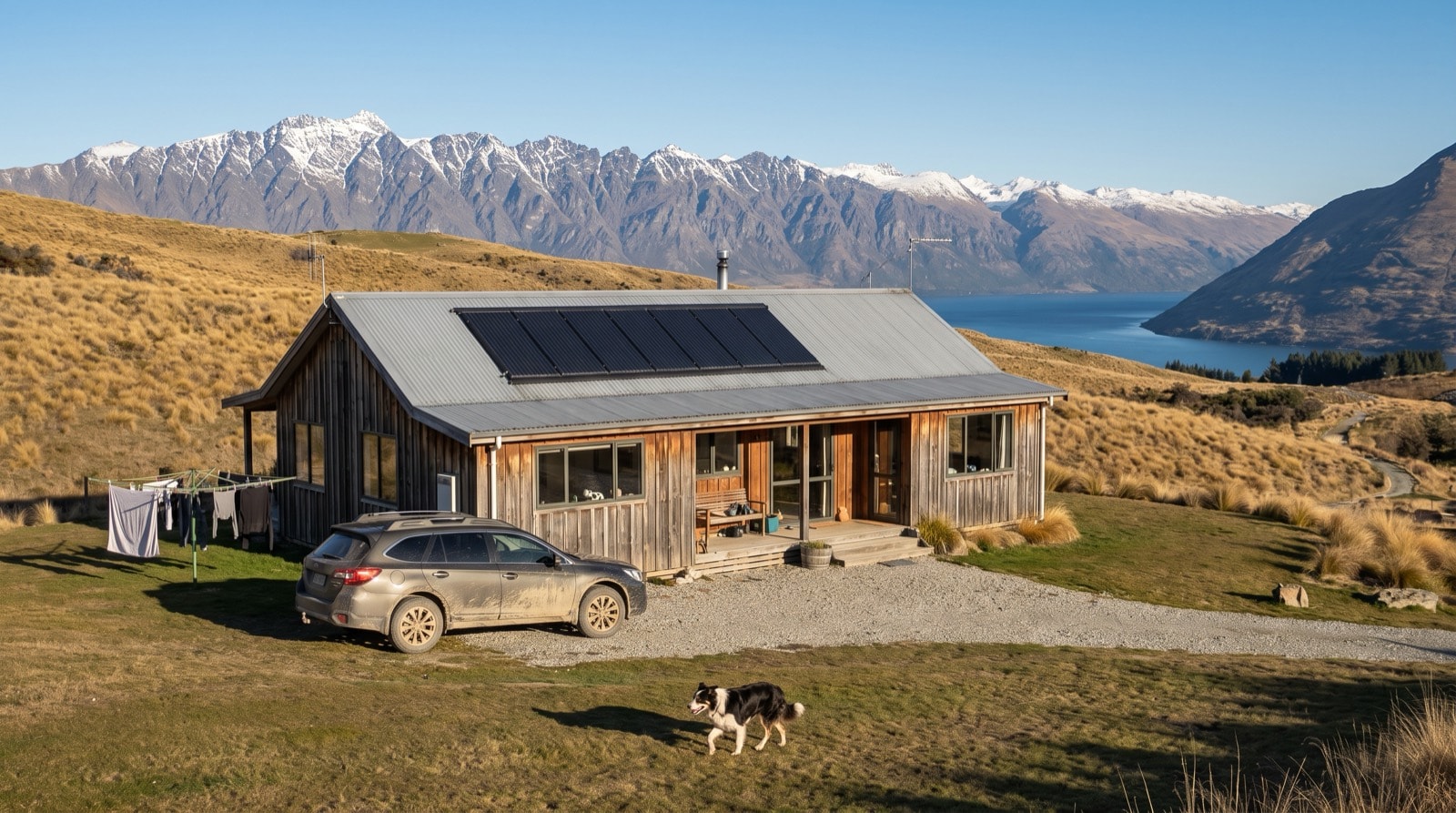
Solar in Queenstown
Alpine clarity, high-value homes, and Aurora Energy's 10kW export limit. Honest Queenstown-Lakes yield figures, what mountain shading does to output, and what it costs up here.
Read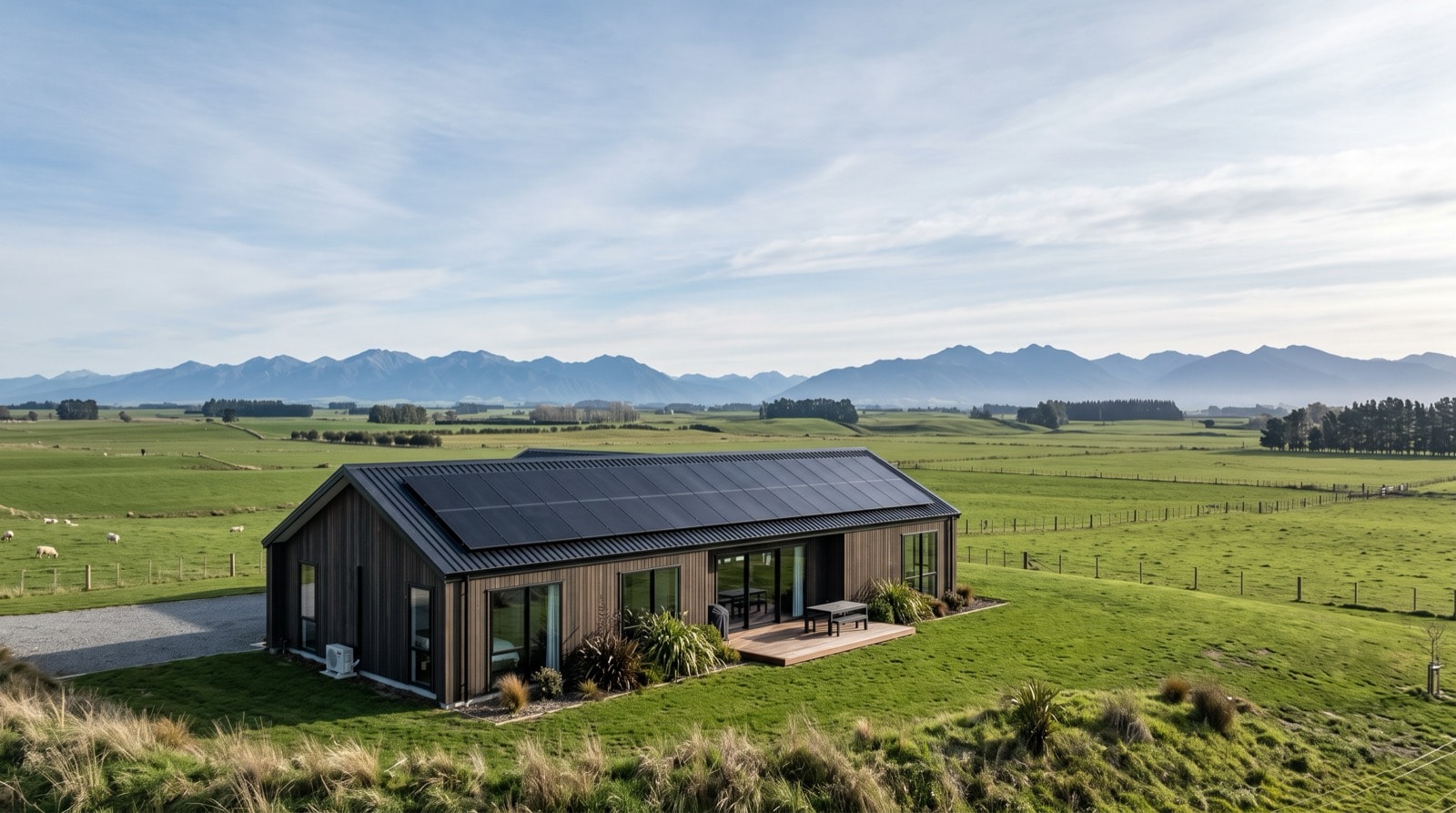
Solar in Southland
NZ's most southern region gets the least sun, so we'll be straight: Southland solar pays back slower than the north. Honest Invercargill yield figures, PowerNet's export rules, and who it still makes sense for.
Read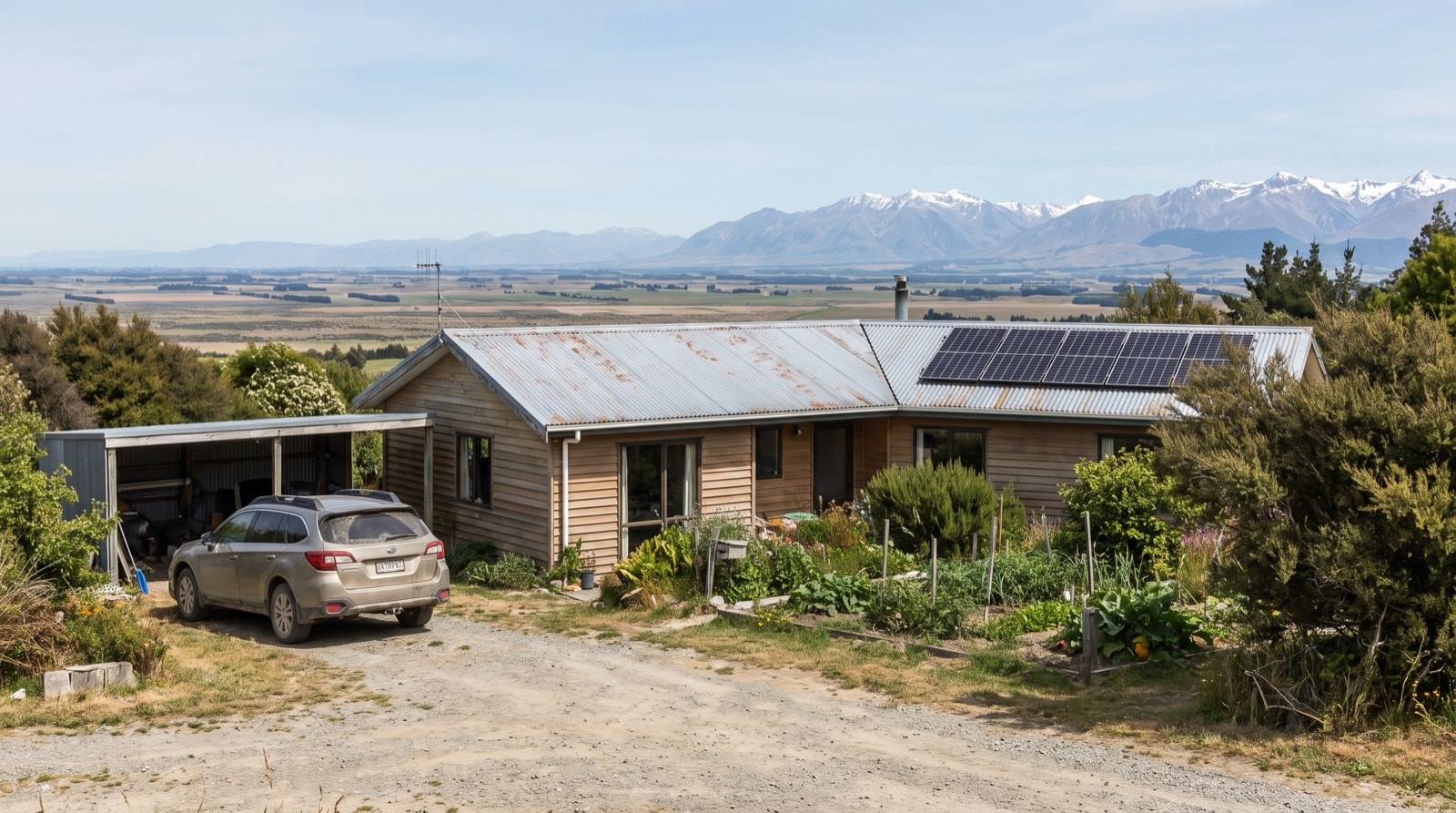
Solar in Canterbury
Orion's 10kW export limit, NZ's most advanced smart meter rollout, and clear Canterbury skies. What homeowners in Christchurch, Rangiora and Ashburton need to know.
Read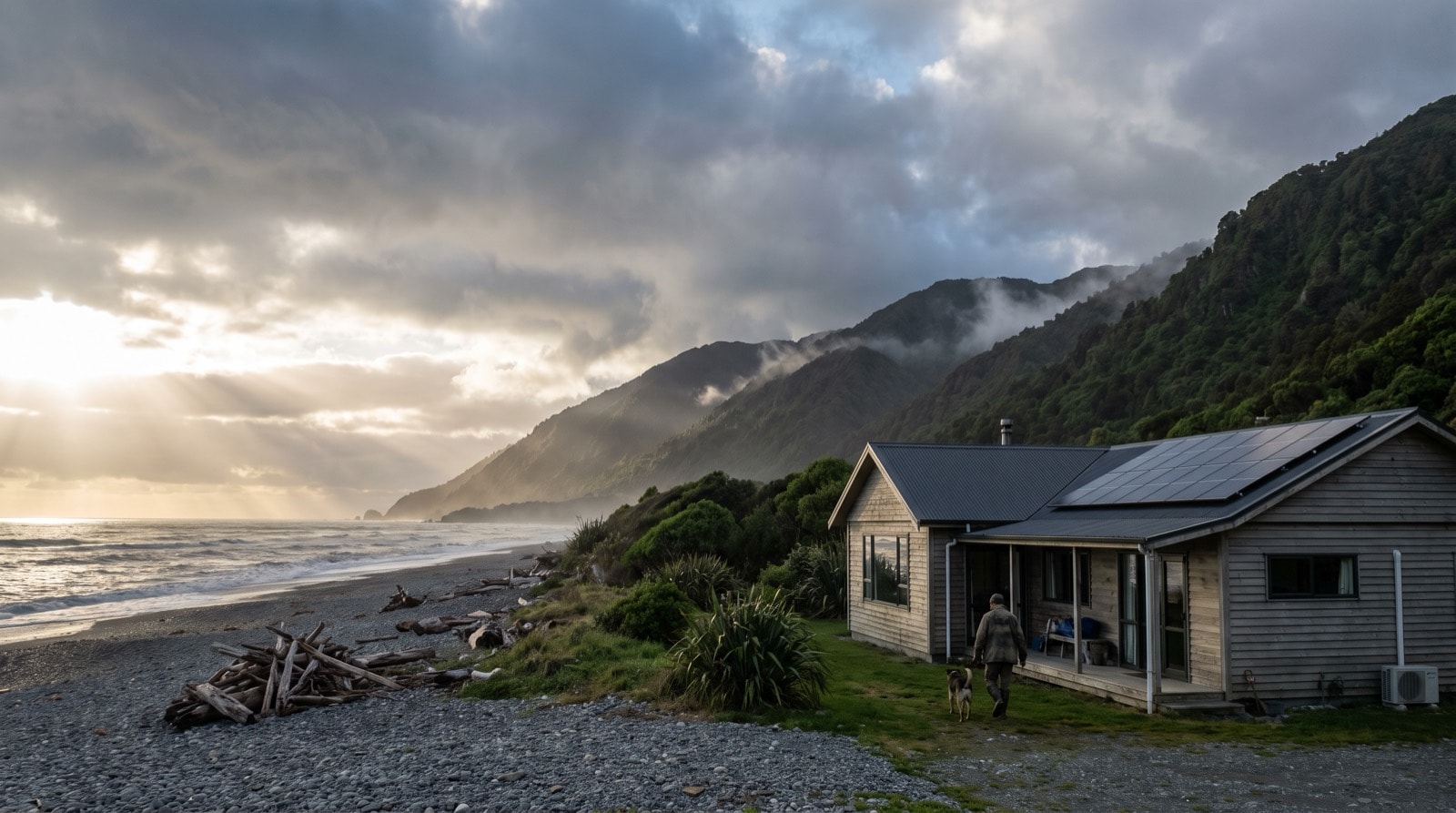
Solar in West Coast
New Zealand's wettest region, but solar still pays. Honest yield figures from Greymouth to Westport, Westpower and Buller Electricity's 10kW export limits, and what Coasters need to know before going solar.
Read
Join the conversation
The best comments are honest ones: Real experience. Share yours, please stay civil and on topic. No self-promo links.
Your email is never shown or shared. To change or remove a comment later, .
No comments yet. What is your experience with this? Be the first to weigh in.