
How Solar Scout Vets Solar Installers in NZ
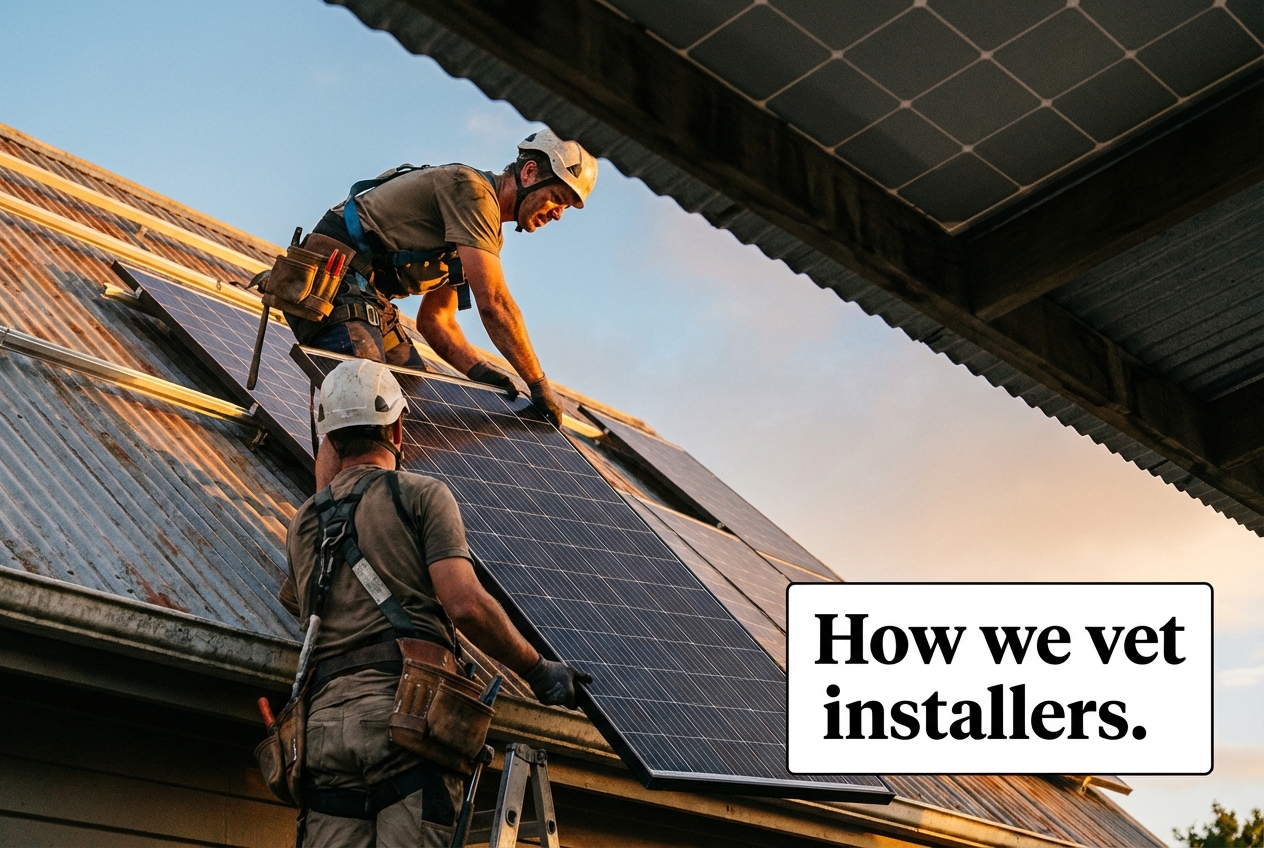

Choosing a solar installer is one of the biggest decisions in your solar journey. A good installer means a system that performs for 25+ years. A bad one means headaches, warranty disputes, and potentially unsafe electrical work on your roof.
Solar Scout exists to take that risk off the table. Every installer in our network has been independently vetted before they can quote a single job. This page explains exactly what we check, why it matters, and how we keep standards high over time.
Want quotes from vetted installers? Answer a few quick questions and we will match you with pre-vetted local installers. Free, no obligation.
Why vetting matters
Solar is a long-term investment. A typical residential system costs $13,000 to $18,000 and sits on your roof for decades. The installer you choose determines how well that system performs, how safe the electrical work is, and whether your warranty actually holds up.
In New Zealand, anyone with an EWRB registration can legally install solar panels. That is the bare minimum. It does not tell you whether they have solar-specific experience, whether they carry adequate insurance, or whether their past customers are happy.
Not all solar installers are created equal. We do not accept everyone who applies.
That is why we built a vetting process that goes well beyond legal requirements. We check credentials, insurance, experience, customer reviews, and workmanship history before any installer joins the Solar Scout network.
How we evaluate and choose our solar installers
Every installer in the Solar Scout network has passed our vetting process. Here is what we look for:
[1] SEANZ membership
We require every installer to be a current member of the Sustainable Energy Association of New Zealand (SEANZ). SEANZ members commit to a published code of conduct and technical standards, plus continuity arrangements if a member exits the industry. We verify membership against the SEANZ directory.
[2] EWRB registration
Every installer must hold current registration with the Electrical Workers Registration Board (EWRB). This is the legal licence to do any electrical work in New Zealand. We verify registration status directly with EWRB.
[3] Master Electricians certification
We require Master Electricians NZ certification. This brings a $20,000 / 12-month workmanship guarantee on top of the installer's own warranty, plus higher business standards. Cover survives even if the installer goes out of business.
[4] 3+ years solar installation experience
We require a minimum of 3 years verified solar-specific experience, not just general electrical work. Installers must demonstrate a track record of successful installs before joining the Solar Scout network.
[5] References and Google reviews
We contact references and review Google ratings before approving any installer. Installers must maintain positive customer feedback to remain in the network.
[6] 5-year minimum workmanship warranty
Every installer in our network offers a written 5-year minimum workmanship warranty on their work. This is the commitment in your contract, separate from the manufacturer's panel and inverter warranties.
NZ solar certifications and what they mean
Several certifications exist in New Zealand's solar industry. Here is what each one means and whether Solar Scout requires it:
EWRB registration is a legal requirement for any electrical work in New Zealand. Master Electricians NZ certification goes further, requiring higher business standards and providing workmanship guarantees. We require both.
Legal requirements for solar installation in NZ
Before any solar system connects to the grid, several requirements must be met. A quality installer handles all of this for you:
If an installer asks you to arrange your own CoC or Distributed Generation application, that is a red flag. Quality installers handle all paperwork.
Red flags we screen for
Not every installer who applies joins our network. We specifically watch for these warning signs:
High-pressure sales tactics
Rushing you to sign, "today only" pricing, or discouraging you from getting other quotes. Quality installers give you time to decide.
Cheap equipment with poor warranties
We only approve installers who use quality panels backed by minimum 25-year manufacturer warranties. Most of our installers also offer 5 to 10 year workmanship guarantees on their installations.
Subcontracting without disclosure
If work will be subcontracted, installers must disclose this upfront. Hidden subcontracting is grounds for removal from our network.
Incomplete documentation
Quality installers provide full system documentation including panel specs, inverter details, warranty certificates, and as-built diagrams.
Unresolved complaints
Any installer with unresolved customer disputes must resolve them before joining or remaining in our network.
Ongoing monitoring
Vetting is not a one-time check. We continuously monitor our installer network to maintain standards:
- Credential checks: We re-verify EWRB registration and Master Electricians status regularly.
- Customer feedback: We review Google ratings and track customer satisfaction across every job.
- Complaint resolution: If an installer falls below standards, whether through expired certifications, poor customer feedback, or unresolved complaints, we work with them to address the issues. If problems persist, they are removed from the network.
Frequently asked questions
How does Solar Scout verify installer credentials?
We verify every installer's Electrical Workers Registration Board (EWRB) status and Master Electricians NZ membership. We also review their insurance documentation, workmanship warranty terms, and track record through customer reviews and references.
What happens if an installer doesn't meet your standards?
If an installer fails to meet our criteria during initial vetting, they cannot join the Solar Scout network. If an existing installer falls below standards, whether through expired certifications, poor customer feedback, or unresolved complaints, we work with them to address the issues. If problems persist, they are removed from the network.
Can I report a problem with a Solar Scout installer?
Yes. Email us at support@solarscout.co.nz with details of your concern. We take every complaint seriously and investigate thoroughly. Our goal is to ensure every customer has a positive experience, and feedback helps us maintain high standards across our network.
Do you receive payment from installers?
Yes, installers pay a small fee to participate in the Solar Scout network after we have vetted them. This is how we keep the service free for homeowners. Importantly, installer fees do not influence our vetting process or recommendations. We apply the same strict criteria to every applicant.
What qualifications should a solar installer have in NZ?
At minimum, any solar installer in New Zealand must be a registered electrician with the Electrical Workers Registration Board (EWRB). This is a legal requirement. Beyond this, look for Master Electricians NZ certification (workmanship guarantees) and at least 3 years of solar installation experience. Solar Scout verifies all of these before approving any installer.
How do I check if my installer is properly registered?
You can verify an electrician's registration on the EWRB website. Master Electricians NZ also has a searchable directory at masterelectricians.org.nz. Or simply use Solar Scout, where we have already verified all installers against our strict vetting criteria.
What paperwork should my installer handle?
A quality installer handles all paperwork for you. This includes the Distributed Generation application to your lines company (2 to 4 weeks before installation), the Electrical Certificate of Compliance (CoC) issued at completion, and coordination with your electricity retailer for meter upgrades. If an installer asks you to arrange these yourself, that is a red flag.
Next steps for your solar journey
Written by Ben Wallis
Ben has worked as a licenced electrician in New Zealand for over six years, from residential rooftop systems to large industrial projects. He writes Solar Scout's guides based on real experience in the field, so Kiwi homeowners hear what installers actually think, not what salespeople say.
Reviewed by

Matt Wilson
Registered Electrician & Solar Installer
Related guides
View all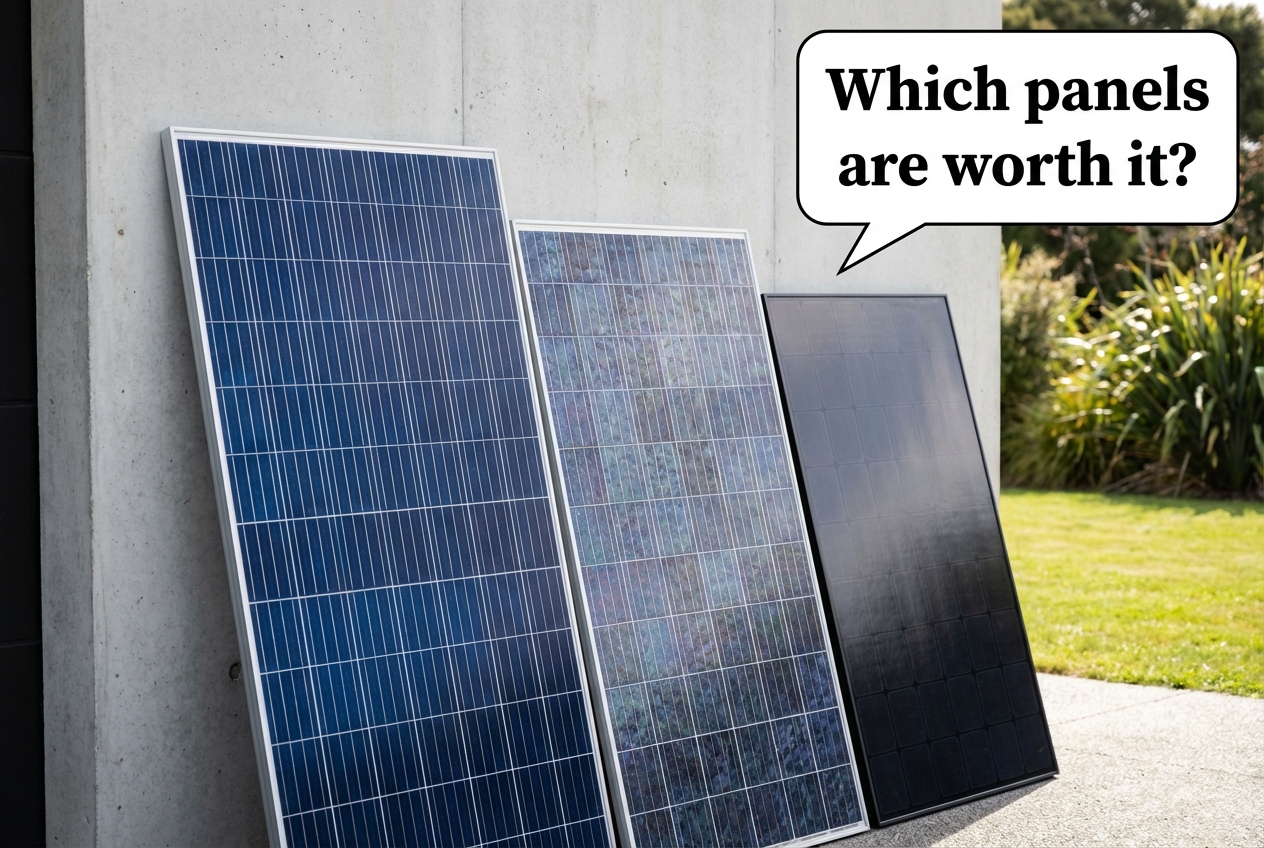
Best Solar Panels NZ: Brands, Tiers and What to Look For (2026)
Compare the best solar panels available in NZ. Tier 1 brands, specs, warranties, NZ pricing, and what installers actually use. TOPCon vs PERC vs HJT explained.
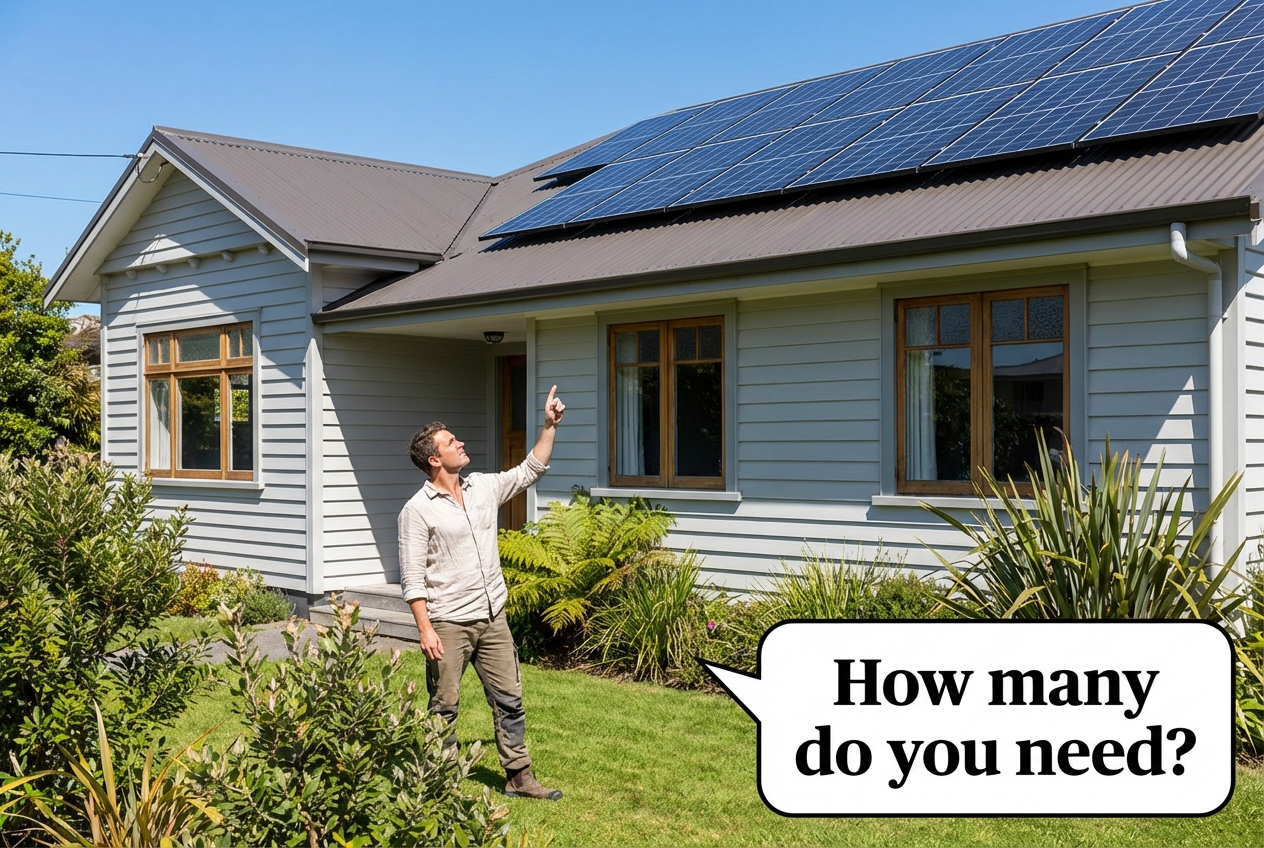
How Many Solar Panels Do I Need?
Work out how many solar panels your NZ home needs. Based on your power usage, roof space, and whether you're adding a battery or EV charger.
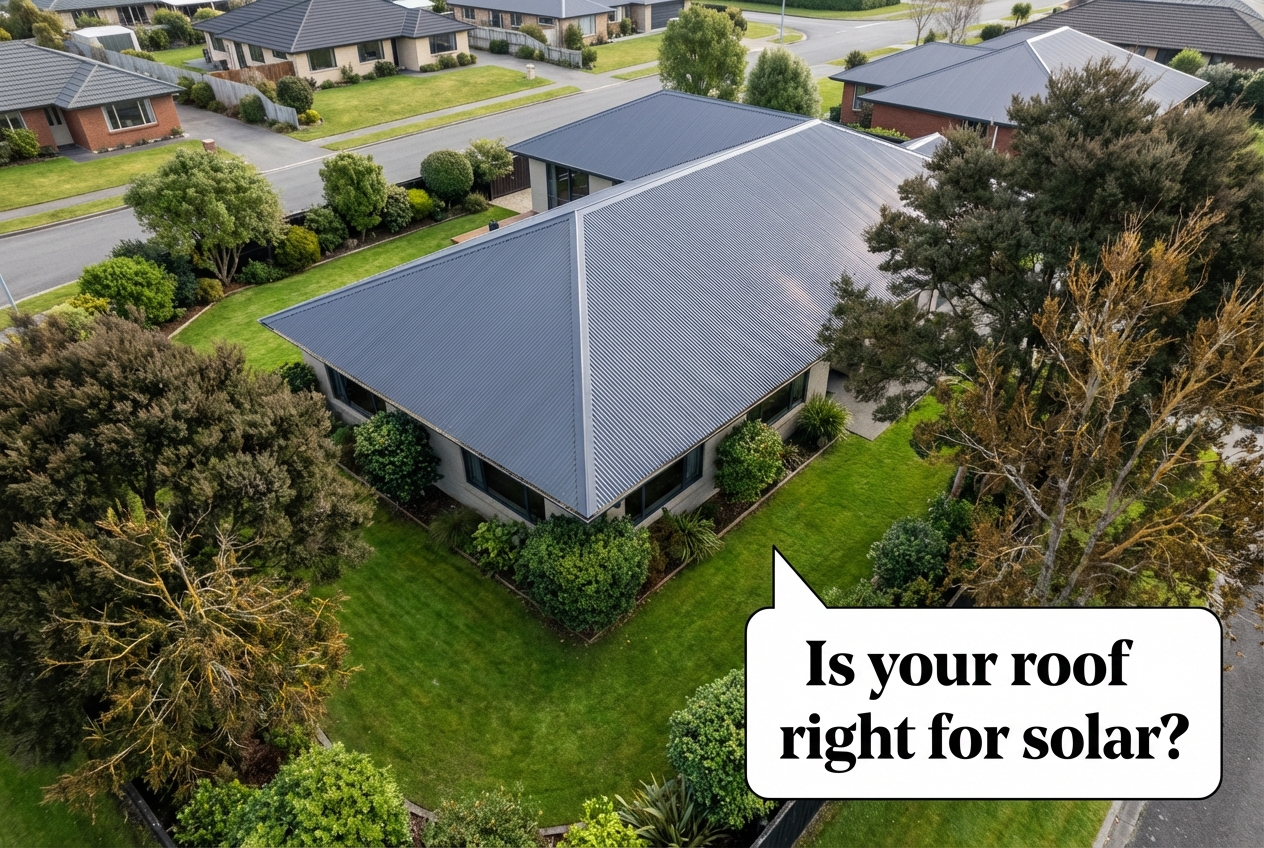
Is My House Suitable for Solar Panels?
Check if your NZ home is right for solar. Roof direction, pitch, shade, and structural factors explained for Kiwi houses.
Do Solar Panels Work in Winter and on Cloudy Days in NZ?
Solar panels still generate power on cloudy days and through NZ winters. Here's exactly how much output changes and why it still works.