
Solar in Blenheim and Marlborough: Complete Guide for 2026
Blenheim is the sunniest town in New Zealand. With Marlborough Lines' 10kW export limit and roughly 9,600 kWh a year from a typical system, the solar case here is one of the country's strongest.
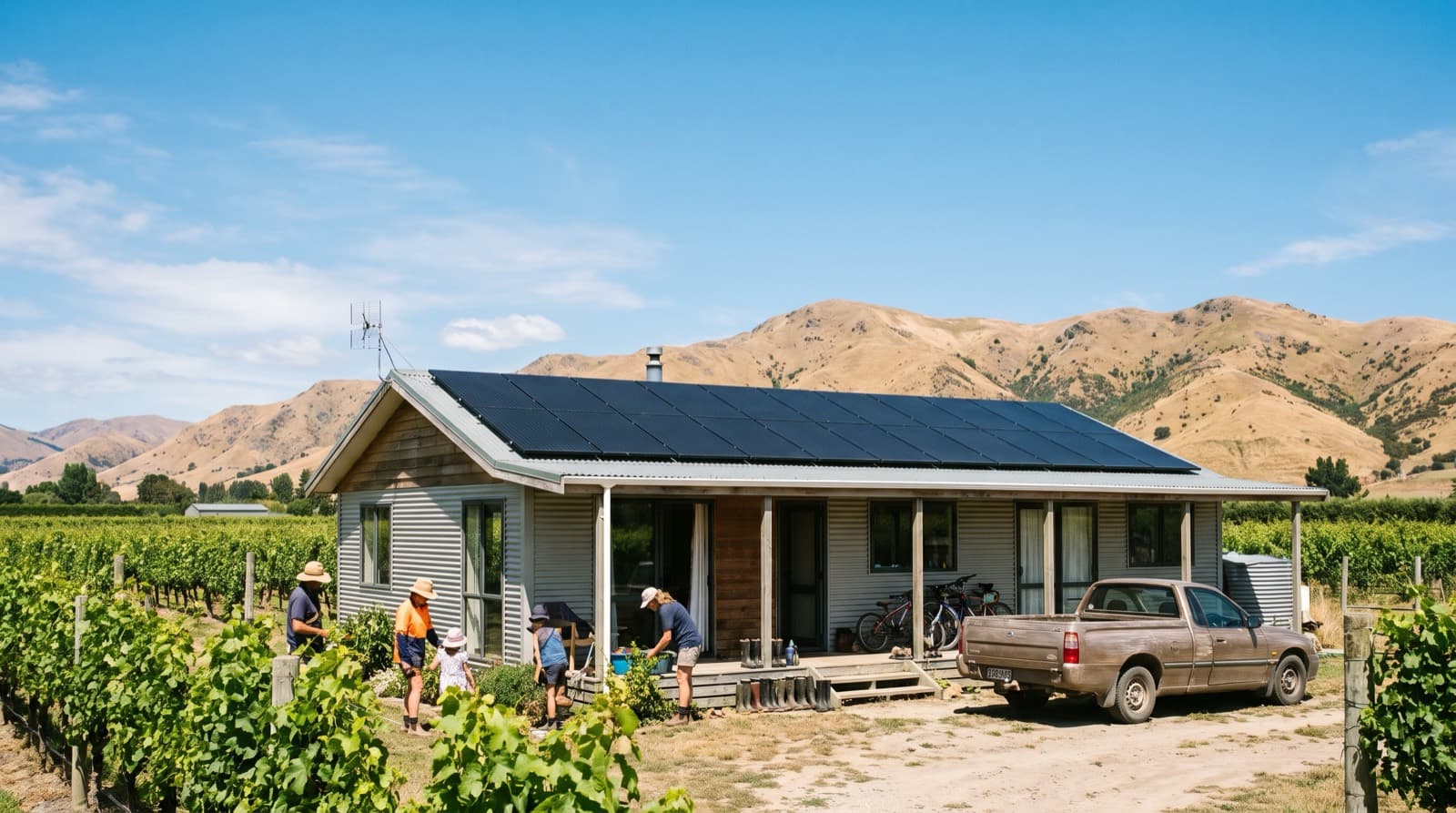

Marlborough solar: key takeaways
- Blenheim is the sunniest town in New Zealand, averaging around 2,521 sunshine hours a year (2,769 in 2024, the most in NZ that year).
- A typical 6.6kW system generates about 9,600 kWh a year, the highest of any South Island region.
- At about 29.2c/kWh for grid power, a typical system saves roughly $1,880 to $2,040 a year and pays back in 7.0 to 7.5 years.
- Marlborough Lines applies a 10kW export limit for residential solar (from 11 May 2026).
- Best for wine-country and lifestyle blocks with large, unshaded north-facing roofs and high daytime power use.
Is solar worth it in Marlborough?
Marlborough is the sunniest place in New Zealand: Blenheim regularly tops the national sunshine rankings, with a long-run average of around 2,500 hours a year, and in 2024 it logged 2,769 hours, the most in the country that year (NIWA). That clear, dry Wairau Valley climate gives the region the best solar resource in the South Island. A typical 6.6kW system in Marlborough generates around 9,600 kWh a year, more than in Christchurch or Auckland, and with local power prices near 29.2c per kWh it saves roughly $1,880 to $2,040 a year and pays back in about 7.0 to 7.5 years. Marlborough Lines, the community-owned local network, applies a 10kW export limit for residential solar, so most Blenheim and Renwick homes can size a system generously.
Marlborough's wine-country roof stock helps: many rural and lifestyle properties have large, low-pitched, north-facing roofs with little shading, which makes for clean panel layouts and strong daytime self-consumption. Near the water at Picton, Havelock and through the Sounds, salt air and the Cook Strait wind zone mean marine-grade fixings and properly engineered mounting are worth asking about. To see how Marlborough's sunshine lead turns into dollars against the rest of the country, our full NZ payback breakdown breaks the numbers down region by region.
Want a personalised estimate for your Marlborough home? Answer a few quick questions and compare quotes from up to 3 Solar Scout-vetted installers.
How much solar will you generate in Marlborough?
With 4.4 peak sun hours per day and a production factor of 1.10relative to the national baseline, here's what a typical roof-mounted system generates in Marlborough per year.
Assumes you use 40 to 50% of what you generate and export the rest at 13c/kWh. The daily fixed charge on your bill does not go away with solar, so it is not counted as a saving. The daytime rate used here is 29.2c/kWh. Your actual savings depend on roof orientation, shading, and your daily usage pattern.
For the national picture, see how Marlborough stacks up against the rest of the country on annual generation per kW installed.
Electricity and buy-back rates
The daytime variable rate in Marlborough averages 29.2c per kWh across the retail plans available on the local network. Every kilowatt-hour you self-consume from your panels saves you that variable rate. It does not remove the daily fixed charge, which you keep paying whatever your panels produce, so we never count it as a saving. Excess generation flows back to the grid, and your retailer pays you a buy-back rate. Retailers set those rates nationally rather than by region, so the figures below apply in Marlborough the same as anywhere else. Each card shows the headline rate and the rate you earn outside the peak windows, because for a household without a battery the second number is the one that does most of the work.
Buy-back conditions
Contact Energy
Contact publishes the Good Charge peak window (7am to 9am and 6pm to 10pm weekdays, for battery-and-solar customers) but not the peak rate: it prices by address, so there is no national figure to print, and your export rate is set when you register your solar. Powerswitch's September 2026 table lists Contact's residential buy-back at 8c/kWh on selected residential plans, the lowest here. So the 25c peak quoted all over the internet is a national number for a retailer that does not have one.
Buy-back conditions
Ecotricity
ecoSOLAR pays 21c/kWh peak and 16c/kWh off-peak. The peak WINDOW is not published, and neither is the GST basis on Ecotricity's own page. Powerswitch also lists a flat-rate alternative at 18c/kWh for low users and 17c/kWh for standard users, which pays the same rate all day and can suit a household without a battery better than the peak plan. Confirmed against Powerswitch's September 2026 table.
Buy-back conditions
Electric Kiwi
Sources disagree and we will not pick one. Electric Kiwi's own solar page advertises a 23c/kWh buy-back and quotes 11.5c/kWh off-peak (incl GST). Powerswitch's September 2026 table says MoveMaster pays 20c/kWh peak (weekdays 7 to 9am and 5 to 9pm) and 10c/kWh off-peak, and that the Everyday and GO250 plans pay 8c/kWh. Ask for the number in writing before you switch.
Buy-back conditions
Frank Energy
Flat 12.5c/kWh, and Frank's own FAQ says the credit is shown before GST. If you are not GST-registered you are not making a taxable supply, so 12.5c is what lands on the bill: the 15% is added only for GST-registered customers, via a buyer-created tax invoice. Systems up to 50kW, and you need an export-capable meter. Frank does not appear on Powerswitch's solar table, so this was confirmed on Frank's own FAQ (page updated 19 May 2026).
Buy-back conditions
Genesis Energy
Two shapes on the HomeGen plan. Time-varying pays 15c/kWh peak (7 to 9am and 5 to 9pm) and 12.5c/kWh off-peak (9am to 5pm and 9pm to 7am). Anytime pays a flat 12.5c/kWh with no window to chase, the same rate as its Frank brand. Genesis states its export rates exclude GST. Confirmed against Powerswitch's September 2026 table.
Buy-back conditions
Mercury
The Flex plan is seasonal AND time-of-use, so it has four rates, not two. Winter (1 May to 30 Sep): 20.38c/kWh peak and 15.75c/kWh off-peak. Summer (1 Oct to 30 Apr, the seven months a roof exports most): 10.44c/kWh peak and 9.17c/kWh off-peak. Peak is 7 to 11am and 5 to 9.30pm in both seasons. The ranges above span the year because no customer is ever paid a winter peak and a summer off-peak at the same time. Mercury's flat plan pays 11.1c/kWh instead. Rates exclude GST. A further 6.9c/kWh for two years is available if you install through one particular installer: that is an installer arrangement, not a plan rate, and it is deliberately not folded into the rate above. Confirmed against Powerswitch's September 2026 table.
Buy-back conditions
Meridian Energy
15c/kWh year-round on the open-term Freedom and Night Saver plans, lifting to 24c/kWh in the winter peak windows only (7 to 10am and 5 to 9pm, July to September). Exports bill at 15c and the extra 9c arrives as a separate credit; you need a communicating smart meter to get it. Other residential plans, including the EV plan, get a flat 12c. Meridian's page says rates do not include GST. Confirmed against Powerswitch's September 2026 table.
Buy-back conditions
Nova
A flat 10c/kWh all day, with no peak window to chase and no seasonal split. Sourced from Powerswitch's September 2026 table, which publishes rates excluding GST; Nova's own page does not state a basis.
Buy-back conditions
Octopus Energy
The Peaker plan (systems 20kW or less) pays 23c/kWh peak and 10c/kWh off-peak, peak being 7 to 11am and 5 to 9pm on weekdays. Octopus says on its own page that you are unlikely to make the most of the peak rate without a battery. The standard Flexi plan (10kW or less) pays 19c peak and 14c off-peak, and Free Lunch pays 17c peak and 8c off-peak. ⚠ All of these are lower on the Northpower and Top Energy networks, so Northland is not on the national numbers: Peaker is 21c/8c and Flexi 17c/12c there. Confirmed against Powerswitch's September 2026 table, which now agrees with Octopus's own page.
Buy-back conditions
Power Edge
⚠ Read the condition. Powerswitch's September 2026 table lists 17.39c/kWh with a 3-year contract, and 12.5c/kWh without one, so the headline rate costs you three years of switching freedom. Power Edge's own pages advertise different figures again (17c year-round and up to 27c in a winter peak on its homepage, 14.37c on its join page, and a 20c 'Power Shield' rate that is the same 17.39c with GST added). Ask which number applies to you, in writing, before you sign. Powerswitch publishes excluding GST.
Buy-back conditions
Powershop
13c/kWh for most of the year, lifting to 23c/kWh in the winter peak only: 7 to 11am and 5 to 9pm, Monday to Friday, during July, August and September. That is three months of weekday mornings and evenings, so a roof without a battery earns the 13c rate for the overwhelming majority of what it exports. Sourced from Powerswitch's September 2026 table, which publishes rates excluding GST.
Buy-back conditions
Pulse Energy
A flat 12c/kWh, but Powerswitch notes it varies depending on location, so confirm the figure for your address before you switch. Sourced from Powerswitch's September 2026 table, which publishes rates excluding GST.
Buy-back conditions
Toast Electric
A flat 12.5c/kWh all day, but Toast only serves four networks: Wellington Electricity, Electra, Powerco Wairarapa and Orion. If your address is outside those, this rate is not available to you at all. Sourced from Powerswitch's September 2026 table, which publishes rates excluding GST.
Self-consumption is the bigger saving: every kWh you use yourself is worth 2 to 3 times more than every kWh you export. For the full national retailer comparison, see our buy-back rates guide.
Marlborough Lines export rules
Marlborough Lines is the community-owned distributor for the whole region, from Blenheim and Renwick to Picton, Havelock and Seddon. From 11 May 2026 it applies a 10kW default export limit for residential and other small-scale solar, matching the new national standard, curtailed to 5kW only in known network-constrained areas (or 2kW on rural SWER lines). Your installer submits an online application and waits for written approval before installing, then lodges a commissioning report once the system is tested and connected. Fees are set out in Marlborough Lines' distributed generation connection policy. Most Blenheim and Renwick homes on the standard urban network connect at the full 10kW limit.
For the full step-by-step from accepting a quote to switch-on, see our NZ solar installation process guide.
Typical system economics
Below is what a typical 6.6kW system looks like in Marlborough from a financial perspective. Real numbers will vary with installer, brand, and roof complexity. For the full national pricing context, our NZ solar installed-cost guide shows what 6.6kW jobs typically include and how to spot a fair quote.
What you can expect in Marlborough
System size
6.6kW
Installed cost
$14,200
Annual generation
9,610 kWh
Annual savings
$1,880-$2,040
Payback period
7.0-7.5 yrs
After this point, the power is yours.
Assumes you use 40 to 50% of what you generate and export the rest at 13c/kWh. The daily fixed charge on your bill does not go away with solar, so it is not counted as a saving. Estimates also use the regional production factor and the local daytime variable rate. Your actual savings will vary with your roof, usage pattern, and retailer.
Sunshine by month in Marlborough
Solar generation tracks closely with sunshine hours. Here's how Marlborough's monthly sunshine hours look across the year (NIWA data).
How Marlborough compares month-to-month
How Marlborough compares with nearby regions
Here's how Marlborough's solar numbers stack up against its neighbouring regions, on annual sunshine, typical output from a 6.6kW system, local power price, and payback period.
Choosing a solar installer in Blenheim and Marlborough
Blenheim's installer pool is small, supplemented by companies travelling from Nelson and Christchurch, so getting three quotes may mean including one from further afield. The filters stay the same: SEANZ membership, EWRB-registered electricians, a written workmanship warranty of five years or more, and references from Marlborough jobs.
The local check is Marlborough Lines paperwork: your installer files the distributed generation application behind the 10kW export limit. Around Picton and the Sounds, ask what corrosion-rated hardware the quote specifies, and on rural blocks, how warranty callouts are handled for your distance.
Our guide to choosing a solar power installer covers SEANZ membership, the questions to ask, and the red flags to avoid, wherever in the country you are.
Solar Scout-vetted solar installers serving Marlborough
Every installer in the Solar Scout network is independently vetted. We connect you with up to 3 operating in your area so you can compare quotes on price and fit, never an open auction.
- EWRB registration: Licensed to do electrical work in New Zealand
- Positive customer experiences and real references: Read and checked before they can quote you
- SEANZ or Master Electricians: Backed by an industry body
- 5 years of solar: Solar-specific experience, not just general sparky work
Marlborough solar FAQs
Is Blenheim really the sunniest town in New Zealand?
Yes. Blenheim averages about 2,521 sunshine hours a year (NIWA's 1991 to 2020 normal), ahead of Nelson's 2,497, and in 2024 it logged 2,769 hours to top NIWA's national sunshine table for the first time in almost a decade. The dry Wairau Valley sits in a rain shadow, which keeps cloud low and summers hot and clear. For solar, that translates into the best generation of any South Island region.
How much does solar cost in Blenheim?
A 6.6kW system in Marlborough typically costs $13,000 to $15,000 fully installed. Blenheim's flat, accessible urban roof stock keeps install costs close to the national norm, with only a small South Island freight allowance. Rural and vineyard properties with larger systems cost less per kW. Coastal homes near Picton or the Sounds should budget a little extra for marine-grade fixings. Always get three quotes.
What is Marlborough Lines' export limit?
Since 11 May 2026, Marlborough Lines applies a 10kW default export limit for residential and other small-scale solar, in line with the new national standard. It is curtailed to 5kW only in known network-constrained areas, or 2kW on rural SWER lines. Most Blenheim and Renwick homes on the standard urban network connect at the full 10kW. Your installer submits the application and waits for written approval before installing.
How much will a 6.6kW system generate in Marlborough?
Around 9,600 kWh a year, the highest of any South Island region, thanks to Blenheim's national-leading sunshine. Generation peaks over the long, clear summers and stays comparatively strong through winter, since Marlborough is brighter than the cloudier southern regions in June and July.
How long until solar pays for itself in Marlborough?
A typical 6.6kW system (around $14,200 installed) saves roughly $1,880 to $2,040 a year and pays back in about 7.0 to 7.5 years. Marlborough's combination of the country's best sunshine and competitive South Island pricing puts its payback among the fastest in the South Island. Using more of your own solar during the day shortens it further.
Do vineyard and lifestyle properties suit solar?
Very well. Many Marlborough rural and lifestyle blocks have large, low-pitched, north-facing roofs (homes, sheds and packhouses) with little shading, which makes for efficient panel layouts. They also tend to have high daytime power use for irrigation, pumps and cool stores, so a large share of the solar is self-consumed at the full retail rate, which is where the strongest savings come from.
I'm in Picton or the Sounds near the water. Any special considerations?
Two things. Salt air near the coast means marine-grade (316 stainless) mounting and connectors are worth specifying to protect the system long term. And the Cook Strait and Sounds corridor is a higher wind zone, so your installer should confirm your property's wind rating and use properly engineered, wind-rated fixings. Both are routine for a good installer; every Solar Scout-vetted installer handles them.
How long does a solar install take in Marlborough?
Around 4 to 8 weeks from accepting a quote to switch-on, with the on-roof install taking 1 to 2 days. Marlborough Lines requires written distributed generation approval before the system is installed, and a commissioning report afterwards, which your installer handles along with any meter change your retailer needs to make.
Should I go bigger than 6.6kW in Blenheim?
Often yes, if the roof and the budget allow. Marlborough Lines applies a 10kW default export limit for residential solar, so most Blenheim and Renwick homes on the standard urban network have headroom above the typical 6.6kW array, which generates around 9,610 kWh a year here. Two things make a larger system add up in Marlborough: one of the country's highest sunshine totals at about 2,521 hours a year, and grid power near 29.2c per kWh, so each extra unit you use yourself is worth more than it would be in most regions. The test is your own daytime consumption, not your roof area. A bigger array that mostly exports pays back slower than a smaller one you actually use.
How much does solar generation drop in Blenheim over winter?
Noticeably, but from a high base. Blenheim averages about 152 hours of bright sunshine in June against about 249 in December, so midwinter delivers roughly three fifths of the midsummer sunshine. That is a gentler drop than the far south sees, and it is part of why Marlborough's 9,610 kWh a year from a 6.6kW system is at the top of the South Island range, level with Nelson. In practice, expect a summer surplus you export and a winter shortfall you top up from the grid. Sizing the system to cover a June bill would leave you with an oversized array for the other nine months, so size to your annual usage and your daytime pattern instead.
Is solar in Blenheim different from the rest of Marlborough?
Mostly no, but the network side varies. Blenheim and Renwick sit on Marlborough Lines' standard urban network and generally connect at the full 10kW default export limit, so a typical 6.6kW array making around 9,610 kWh a year has room to grow into. Rural addresses on SWER lines, and a few known network-constrained areas, can have their export curtailed below that, which your installer confirms before applying. Picton, Havelock and the Sounds add two physical considerations Blenheim does not have: salt air, which calls for marine-grade fixings, and the Cook Strait wind corridor, which calls for properly engineered mounting. The sunshine itself barely changes across the region.
How do I get a solar system approved by Marlborough Lines?
Your installer does it, not you. Marlborough Lines requires a distributed generation application to be submitted and approved in writing before the system is installed, and a commissioning report lodged once it is tested and connected. The application needs your address and ICP number (printed on your power bill), the proposed system size and the inverter model, all of which your installer already holds. Fees are set out in Marlborough Lines' distributed generation connection policy. Allow for that approval step when you plan the job: a Marlborough install is typically 4 to 8 weeks from accepting a quote to switch-on, and only 1 to 2 days of that is on the roof. If a quote does not say who is lodging the application, ask before you sign.
Who installs solar panels in Blenheim and Marlborough?
Blenheim has a small pool of local installers, topped up by companies that travel from Nelson and Christchurch, so plan on casting wider than the big centres to collect three quotes. Filter on SEANZ membership, EWRB-registered electricians, and a written workmanship warranty of five years or more, then compare price per watt. Your installer files the distributed generation application with Marlborough Lines, the approval behind the 10kW export limit, and around Picton and the Sounds it is worth asking what corrosion protection the mounting specification includes.
Want to compare
quotes?
Get matched with vetted local installers and see real quotes for your home. It’s free, with no obligation.
Compare up to 3 quotesNearby regions
View all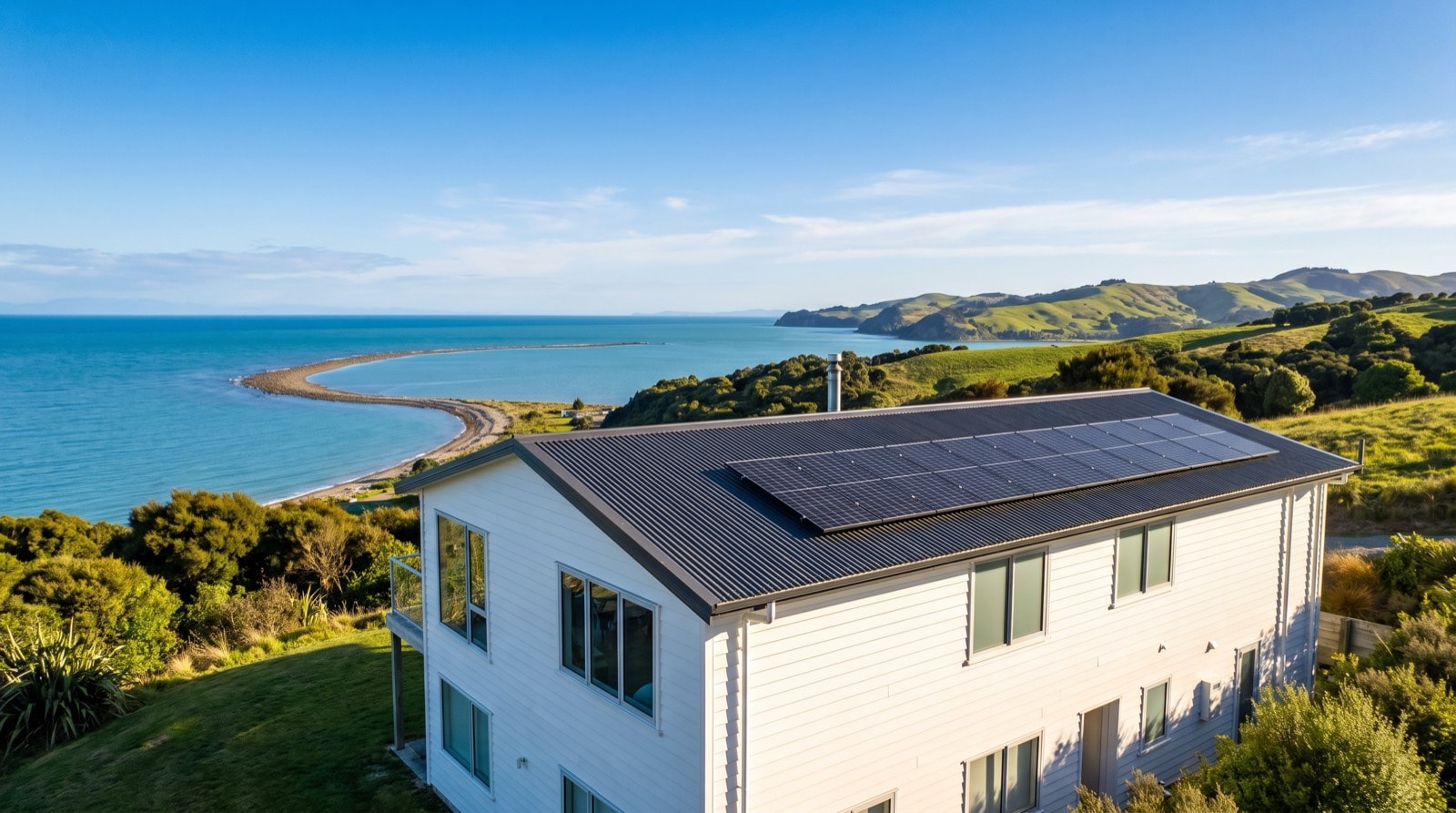
Solar in Nelson
One of New Zealand's sunniest regions, Network Tasman's 10kW export limit, and roughly 9,600 kWh a year from a typical system. What homeowners in Nelson, Richmond and the wider Tasman district need to know about going solar.
Read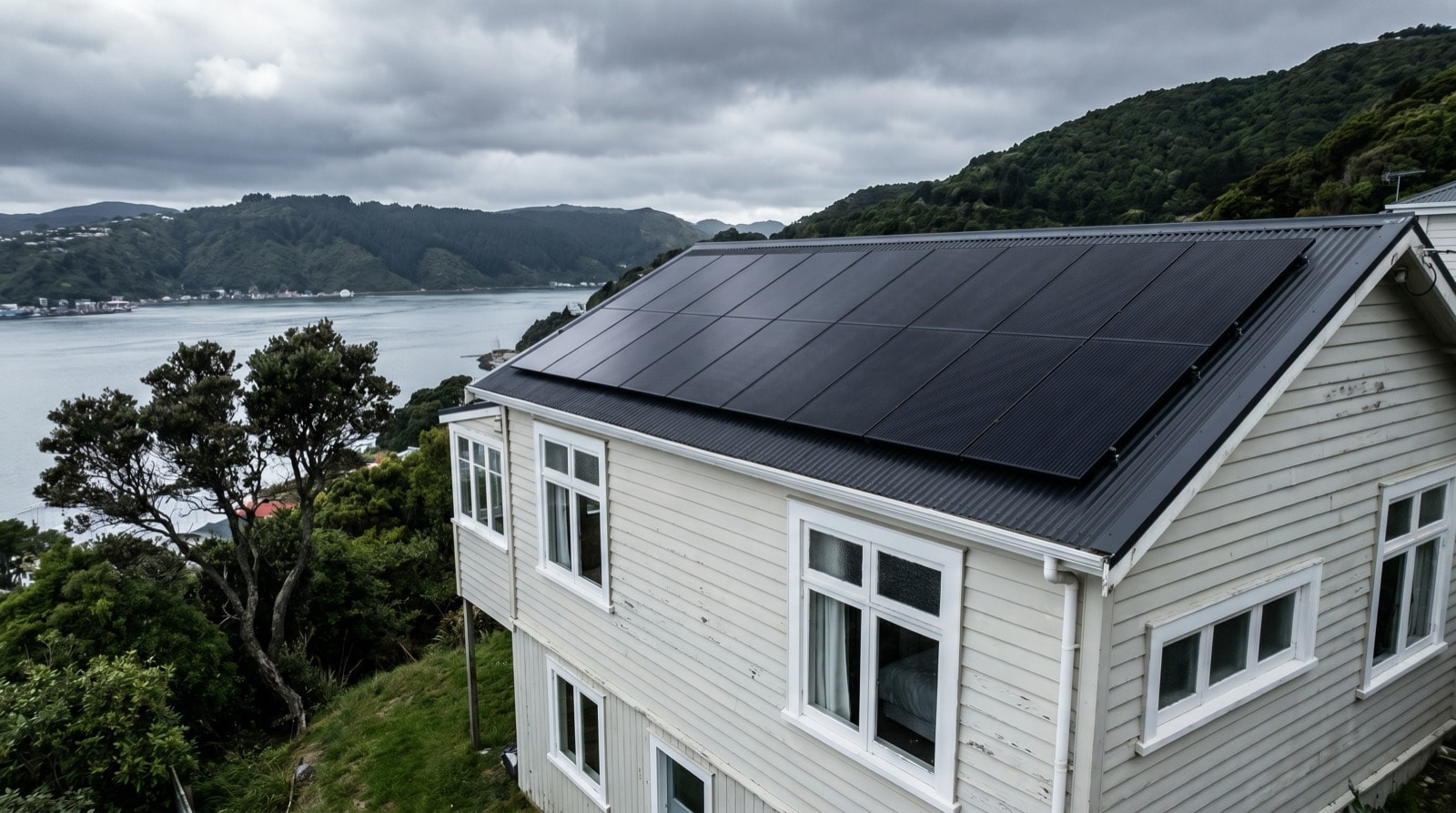
Solar in Wellington
Fewer hours of bright sun than Auckland, yet Wellington panels produce more. The yield data, Wellington Electricity's new 10kW export rule, and why the wind zone means getting your mounting right.
Read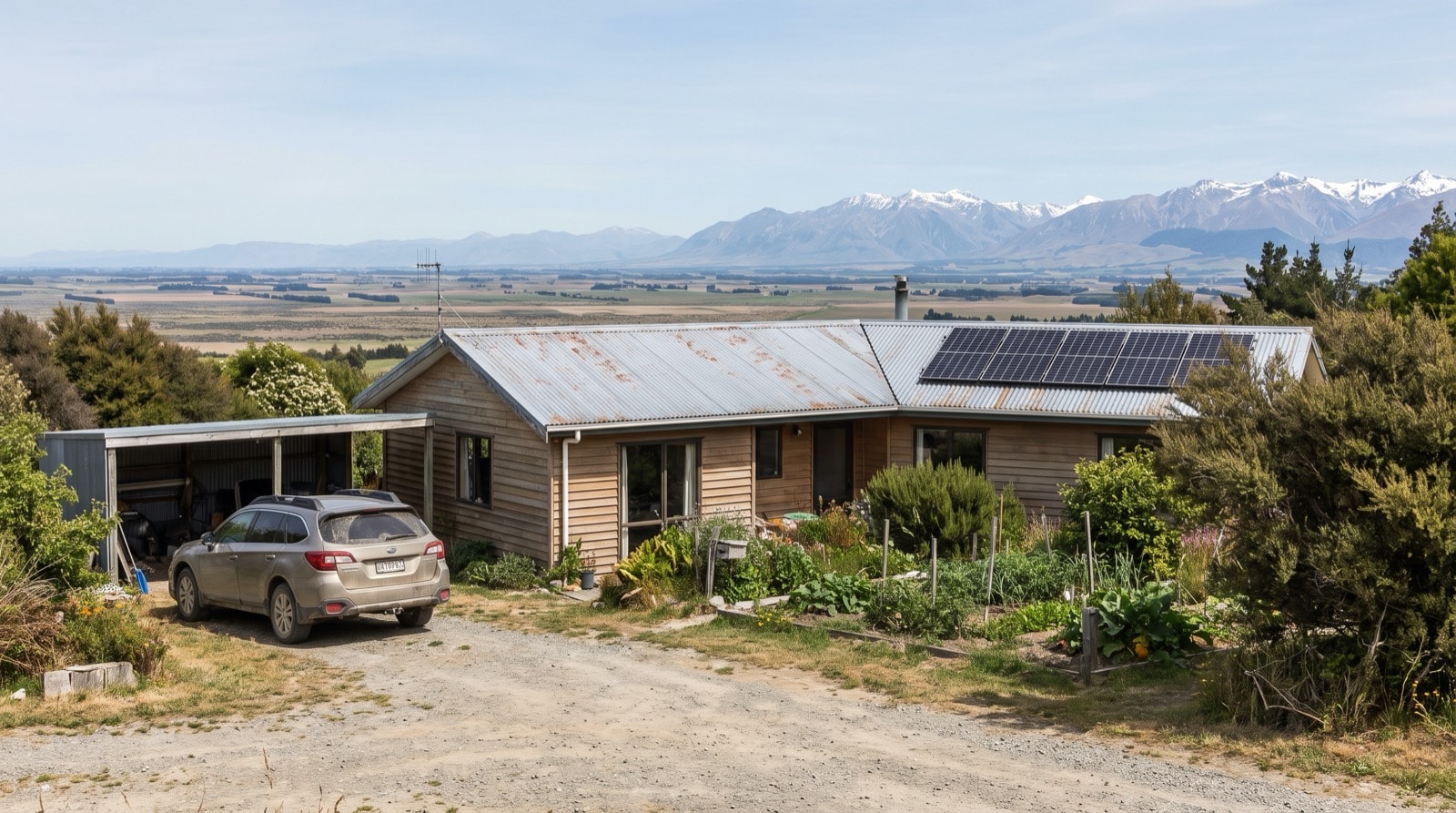
Solar in Canterbury
Orion's 10kW export limit, NZ's most advanced smart meter rollout, and clear Canterbury skies. What homeowners in Christchurch, Rangiora and Ashburton need to know.
Read
Solar in Auckland
Vector's 10kW dynamic export limit, 26.4c/kWh power prices, and 4.2 peak sun hours. What Auckland homeowners need to know about going solar.
Read
Join the conversation
The best comments are honest ones: Real experience. Share yours, please stay civil and on topic. No self-promo links.
Your email is never shown or shared. To change or remove a comment later, .
No comments yet. What is your experience with this? Be the first to weigh in.