
Solar in Queenstown and Wanaka 2026: Costs, Yield, Payback
Alpine clarity, high-value homes, and Aurora Energy's 10kW export limit. Honest Queenstown-Lakes yield figures, what mountain shading does to output, and what it costs up here.
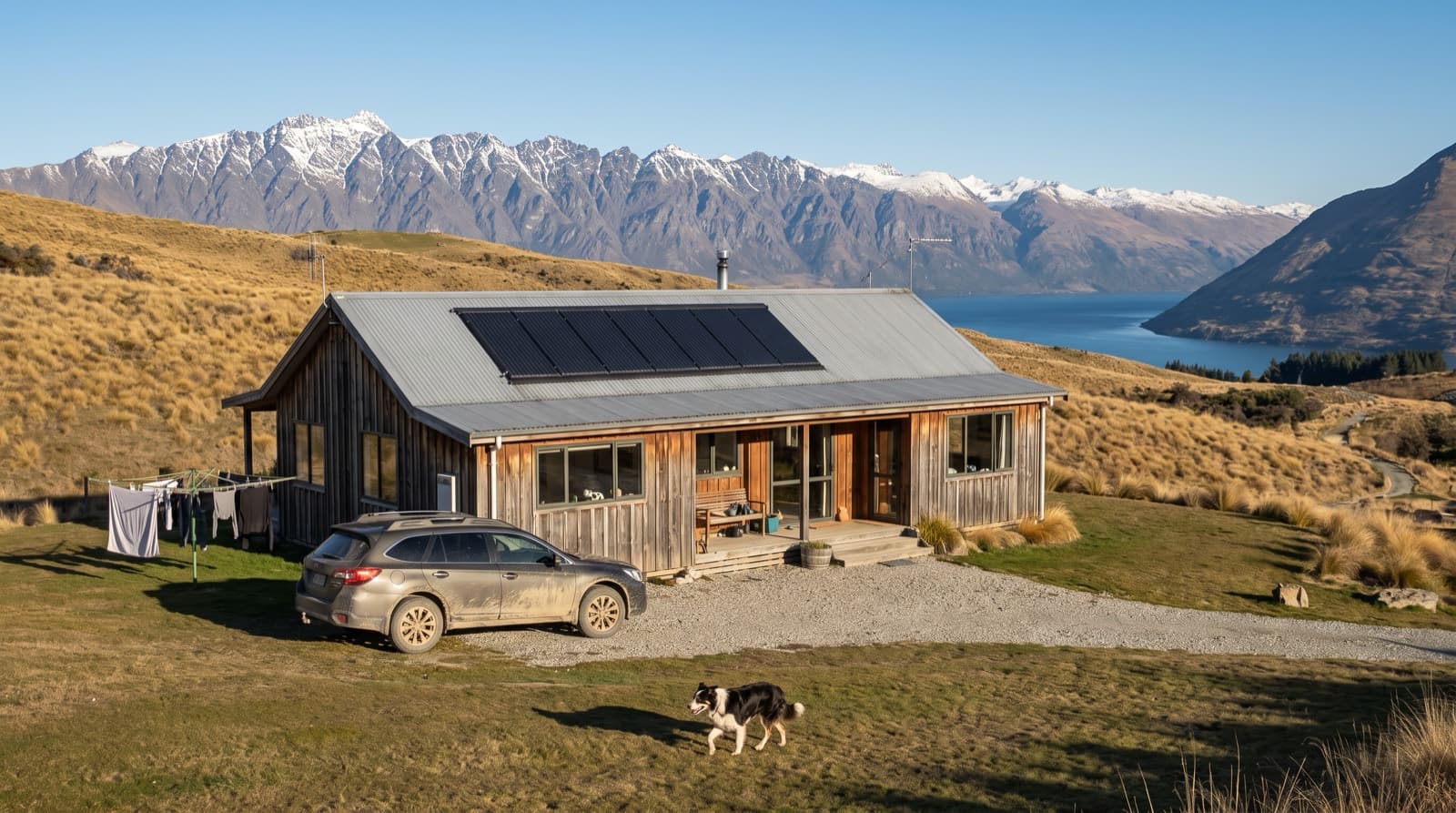

Queenstown solar: key takeaways
- Queenstown-Lakes gets bright, clear summers but winter shading and inversions cap the annual yield: about 7,975 kWh a year from a 6.6kW system.
- Shading is the make-or-break factor here; a ridgeline or tall neighbour can cost 15 to 20% of generation, so a proper site assessment is essential.
- At 29.8c/kWh, a typical system saves roughly $1,580 to $1,710 a year and pays back in around 8.6 to 9.4 years.
- Aurora Energy serves the Lakes and lifted the residential export limit to 10kW in August 2025, making larger family systems worthwhile.
- Best for lived-in homes with daytime power use; holiday homes that sit empty export most of their solar and pay back slower.
Is solar worth it in Queenstown?
Queenstown-Lakes gets the crisp, clear alpine air that looks made for solar, and in summer it delivers: long, bright days over Wakatipu, Wanaka and Arrowtown. But the mountains cut both ways. Steep terrain and winter inversions mean many Queenstown homes lose morning or afternoon sun to a ridgeline, and winter fog can sit in the basin for days. The result is a solid rather than spectacular annual yield: a well-oriented 6.6kW system generates around 7,975 kWh a year, a touch below coastal Otago but ahead of Southland. What makes the Lakes work is the mix of higher-value homes, strong daytime power use, and Aurora Energy's lift of the residential export limit to 10kW in August 2025 (up from 5kW), which opened the door to larger family systems. With power at 29.8c per kWh, a typical system saves around $1,580 to $1,710 a year and pays back in about 8.6 to 9.4 years, around two years slower than the sunny top of the South but a sound long-term call for a home you intend to keep.
Shading is the make-or-break factor in the Lakes more than anywhere else we cover, so a proper site assessment that maps the ridgelines and any tall neighbours matters far more here than a generic quote. Get that right and Queenstown solar performs well; get it wrong and a mountain shadow can quietly cost you a fifth of your generation. For a clear look at how payback is actually calculated, our full NZ payback breakdown walks through every assumption behind the numbers.
Want a personalised estimate for your Queenstown home? Answer a few quick questions and compare quotes from up to 3 Solar Scout-vetted installers.
How much solar will you generate in Queenstown?
With 3.6 peak sun hours per day and a production factor of 0.91relative to the national baseline, here's what a typical roof-mounted system generates in Queenstown per year.
Assumes you use 40 to 50% of what you generate and export the rest at 13c/kWh. The daily fixed charge on your bill does not go away with solar, so it is not counted as a saving. The daytime rate used here is 29.8c/kWh. Your actual savings depend on roof orientation, shading, and your daily usage pattern.
For the national picture, see how Queenstown stacks up against the rest of the country on annual generation per kW installed.
The rest of the region runs on friendlier numbers, with cheaper installs and Dunedin's active trade base; our guide to solar in Dunedin and Otago covers it separately.
Electricity and buy-back rates
The daytime variable rate in Queenstown averages 29.8c per kWh across the retail plans available on the local network. Every kilowatt-hour you self-consume from your panels saves you that variable rate. It does not remove the daily fixed charge, which you keep paying whatever your panels produce, so we never count it as a saving. Excess generation flows back to the grid, and your retailer pays you a buy-back rate. Retailers set those rates nationally rather than by region, so the figures below apply in Queenstown the same as anywhere else. Each card shows the headline rate and the rate you earn outside the peak windows, because for a household without a battery the second number is the one that does most of the work.
Buy-back conditions
Contact Energy
Contact publishes the Good Charge peak window (7am to 9am and 6pm to 10pm weekdays, for battery-and-solar customers) but not the peak rate: it prices by address, so there is no national figure to print, and your export rate is set when you register your solar. Powerswitch's September 2026 table lists Contact's residential buy-back at 8c/kWh on selected residential plans, the lowest here. So the 25c peak quoted all over the internet is a national number for a retailer that does not have one.
Buy-back conditions
Ecotricity
ecoSOLAR pays 21c/kWh peak and 16c/kWh off-peak. The peak WINDOW is not published, and neither is the GST basis on Ecotricity's own page. Powerswitch also lists a flat-rate alternative at 18c/kWh for low users and 17c/kWh for standard users, which pays the same rate all day and can suit a household without a battery better than the peak plan. Confirmed against Powerswitch's September 2026 table.
Buy-back conditions
Electric Kiwi
Sources disagree and we will not pick one. Electric Kiwi's own solar page advertises a 23c/kWh buy-back and quotes 11.5c/kWh off-peak (incl GST). Powerswitch's September 2026 table says MoveMaster pays 20c/kWh peak (weekdays 7 to 9am and 5 to 9pm) and 10c/kWh off-peak, and that the Everyday and GO250 plans pay 8c/kWh. Ask for the number in writing before you switch.
Buy-back conditions
Frank Energy
Flat 12.5c/kWh, and Frank's own FAQ says the credit is shown before GST. If you are not GST-registered you are not making a taxable supply, so 12.5c is what lands on the bill: the 15% is added only for GST-registered customers, via a buyer-created tax invoice. Systems up to 50kW, and you need an export-capable meter. Frank does not appear on Powerswitch's solar table, so this was confirmed on Frank's own FAQ (page updated 19 May 2026).
Buy-back conditions
Genesis Energy
Two shapes on the HomeGen plan. Time-varying pays 15c/kWh peak (7 to 9am and 5 to 9pm) and 12.5c/kWh off-peak (9am to 5pm and 9pm to 7am). Anytime pays a flat 12.5c/kWh with no window to chase, the same rate as its Frank brand. Genesis states its export rates exclude GST. Confirmed against Powerswitch's September 2026 table.
Buy-back conditions
Mercury
The Flex plan is seasonal AND time-of-use, so it has four rates, not two. Winter (1 May to 30 Sep): 20.38c/kWh peak and 15.75c/kWh off-peak. Summer (1 Oct to 30 Apr, the seven months a roof exports most): 10.44c/kWh peak and 9.17c/kWh off-peak. Peak is 7 to 11am and 5 to 9.30pm in both seasons. The ranges above span the year because no customer is ever paid a winter peak and a summer off-peak at the same time. Mercury's flat plan pays 11.1c/kWh instead. Rates exclude GST. A further 6.9c/kWh for two years is available if you install through one particular installer: that is an installer arrangement, not a plan rate, and it is deliberately not folded into the rate above. Confirmed against Powerswitch's September 2026 table.
Buy-back conditions
Meridian Energy
15c/kWh year-round on the open-term Freedom and Night Saver plans, lifting to 24c/kWh in the winter peak windows only (7 to 10am and 5 to 9pm, July to September). Exports bill at 15c and the extra 9c arrives as a separate credit; you need a communicating smart meter to get it. Other residential plans, including the EV plan, get a flat 12c. Meridian's page says rates do not include GST. Confirmed against Powerswitch's September 2026 table.
Buy-back conditions
Nova
A flat 10c/kWh all day, with no peak window to chase and no seasonal split. Sourced from Powerswitch's September 2026 table, which publishes rates excluding GST; Nova's own page does not state a basis.
Buy-back conditions
Octopus Energy
The Peaker plan (systems 20kW or less) pays 23c/kWh peak and 10c/kWh off-peak, peak being 7 to 11am and 5 to 9pm on weekdays. Octopus says on its own page that you are unlikely to make the most of the peak rate without a battery. The standard Flexi plan (10kW or less) pays 19c peak and 14c off-peak, and Free Lunch pays 17c peak and 8c off-peak. ⚠ All of these are lower on the Northpower and Top Energy networks, so Northland is not on the national numbers: Peaker is 21c/8c and Flexi 17c/12c there. Confirmed against Powerswitch's September 2026 table, which now agrees with Octopus's own page.
Buy-back conditions
Power Edge
⚠ Read the condition. Powerswitch's September 2026 table lists 17.39c/kWh with a 3-year contract, and 12.5c/kWh without one, so the headline rate costs you three years of switching freedom. Power Edge's own pages advertise different figures again (17c year-round and up to 27c in a winter peak on its homepage, 14.37c on its join page, and a 20c 'Power Shield' rate that is the same 17.39c with GST added). Ask which number applies to you, in writing, before you sign. Powerswitch publishes excluding GST.
Buy-back conditions
Powershop
13c/kWh for most of the year, lifting to 23c/kWh in the winter peak only: 7 to 11am and 5 to 9pm, Monday to Friday, during July, August and September. That is three months of weekday mornings and evenings, so a roof without a battery earns the 13c rate for the overwhelming majority of what it exports. Sourced from Powerswitch's September 2026 table, which publishes rates excluding GST.
Buy-back conditions
Pulse Energy
A flat 12c/kWh, but Powerswitch notes it varies depending on location, so confirm the figure for your address before you switch. Sourced from Powerswitch's September 2026 table, which publishes rates excluding GST.
Buy-back conditions
Toast Electric
A flat 12.5c/kWh all day, but Toast only serves four networks: Wellington Electricity, Electra, Powerco Wairarapa and Orion. If your address is outside those, this rate is not available to you at all. Sourced from Powerswitch's September 2026 table, which publishes rates excluding GST.
Self-consumption is the bigger saving: every kWh you use yourself is worth 2 to 3 times more than every kWh you export. For the full national retailer comparison, see our buy-back rates guide.
Aurora Energy export rules
Aurora Energy runs the lines network across Queenstown, Wanaka, Arrowtown, Cromwell and the wider Central Otago and Dunedin areas. Aurora lifted the residential export limit to 10kW in August 2025, up from 5kW, which was a meaningful change for South Island solar economics and one of the earlier moves toward the national 10kW default. Your installer lodges the connection application with Aurora for every system; most standard home installs are approved automatically under Aurora's fast track, and where further assessment is needed Aurora allows up to 30 working days. Queenstown install timelines can run a little longer than Dunedin's due to the smaller local trade base and travel.
For the full step-by-step from accepting a quote to switch-on, see our NZ solar installation process guide.
Typical system economics
Below is what a typical 6.6kW system looks like in Queenstown from a financial perspective. Real numbers will vary with installer, brand, and roof complexity. For the full national pricing context, our NZ solar installed-cost guide shows what 6.6kW jobs typically include and how to spot a fair quote.
What you can expect in Queenstown
System size
6.6kW
Installed cost
$14,800
Annual generation
7,975 kWh
Annual savings
$1,580-$1,710
Payback period
8.6-9.4 yrs
After this point, the power is yours.
Assumes you use 40 to 50% of what you generate and export the rest at 13c/kWh. The daily fixed charge on your bill does not go away with solar, so it is not counted as a saving. Estimates also use the regional production factor and the local daytime variable rate. Your actual savings will vary with your roof, usage pattern, and retailer.
Sunshine by month in Queenstown
Solar generation tracks closely with sunshine hours. Here's how Queenstown's monthly sunshine hours look across the year (NIWA data).
How Queenstown compares month-to-month
How Queenstown compares with nearby regions
Here's how Queenstown's solar numbers stack up against its neighbouring regions, on annual sunshine, typical output from a 6.6kW system, local power price, and payback period.
Choosing a solar installer in Queenstown, Wanaka and the Lakes
Queenstown-Lakes is serviced by a small pool of local installers plus companies travelling from Cromwell, Alexandra and Dunedin, so ask where the crew is based and how a warranty callout works before comparing prices. The standard filters apply: SEANZ membership, EWRB-registered electricians, a written workmanship warranty of five years or more.
The alpine checks: ask whether the mounting specification covers snow loading, and in the colder valleys, how the install handles frost-prone roof access in winter. Your installer files the Aurora Energy distributed generation application that sits behind the 10kW export limit, the same network process as Otago.
Our guide to choosing a solar power installer covers SEANZ membership, the questions to ask, and the red flags to avoid, wherever in the country you are.
Solar Scout-vetted solar installers serving Queenstown
Every installer in the Solar Scout network is independently vetted. We connect you with up to 3 operating in your area so you can compare quotes on price and fit, never an open auction.
- EWRB registration: Licensed to do electrical work in New Zealand
- Positive customer experiences and real references: Read and checked before they can quote you
- SEANZ or Master Electricians: Backed by an industry body
- 5 years of solar: Solar-specific experience, not just general sparky work
Queenstown solar FAQs
Does solar work well in Queenstown with the mountains around?
It works well, as long as the site is assessed properly. Queenstown's clear alpine air gives excellent summer output, but the surrounding ranges mean many homes lose an hour or two of sun to a ridgeline, and winter inversions can trap fog in the basin. A well-oriented, well-assessed 6.6kW system still generates around 7,975 kWh a year. The single biggest variable here is shading, so a site assessment that maps the terrain is essential, not optional.
How much will a 6.6kW system generate in Queenstown-Lakes?
Around 7,975 kWh a year for a well-oriented roof with a clear northern outlook, a little below coastal Otago and comfortably ahead of Southland. Summer does the heavy lifting with long, bright days, while winter output falls away as the sun sits low behind the ranges. Wanaka and Arrowtown homes with open northern aspects tend to sit at the top of that range; valley-floor sites with ridgeline shading sit lower.
How much does solar cost in Queenstown?
A 6.6kW system in the Lakes typically costs $14,000 to $15,500 installed, among the dearest of the regions we cover. The premium reflects the smaller local installer pool, travel across the district, and the higher-spec mounting many alpine and architecturally designed homes call for. Get three quotes and confirm exactly what is included, especially the site assessment and any scaffolding for steeper roofs.
What did Aurora's 10kW export upgrade mean for the Lakes?
It doubled the residential export ceiling. Before August 2025, Queenstown and Central Otago homes were capped at 5kW like most of NZ. Aurora lifting it to 10kW made larger family systems worthwhile, since you can now export surplus from a bigger array, with approval usually automatic under Aurora's fast track. For the larger, higher-use homes common around the Lakes, that noticeably improved the economics.
How long until solar pays for itself in Queenstown?
A typical 6.6kW system (around $14,800 installed) saves roughly $1,580 to $1,710 a year and pays back in about 8.6 to 9.4 years. That is around two years slower than sunny Nelson or Marlborough, mainly because of winter shading and the region's install costs, but it is a sound long-term return for a home you plan to keep. Using more of your own solar during the day, running hot water and heating at midday, shortens it further.
Does shading really make that much difference here?
In the Lakes, yes, more than almost anywhere in NZ. A ridgeline or a tall neighbouring building that clips your roof for part of the day can quietly cost you 15 to 20% of annual generation, and it hits hardest in winter when the sun is already low. This is exactly why a proper on-site assessment matters. A good installer models the terrain and your roof's specific outlook rather than assuming a clear horizon, which is what Solar Scout vetting looks for.
Is solar worth it on a Queenstown holiday home?
It can be, but the maths is different. Solar pays best when you are home during the day to use the power directly. A holiday home that sits empty midweek exports most of its generation at the lower buy-back rate, which lengthens the payback. If the house is lived in most of the year, or you can shift usage like heating and hot water to daytime, the case is much stronger. We will give you the honest numbers for how the place is actually used.
How does snow affect panels in the Lakes?
Very little. Modern panels are rated to 5,400Pa of snow load, well beyond what a Queenstown-Lakes winter delivers on a pitched roof, and snow tends to slide off dark panels quickly once the sun hits them. You lose a little generation on the days panels are covered, but it is a minor factor next to shading. Standard mounting is fine for the district's conditions.
How much does Queenstown solar generate in the middle of winter?
Far less than in summer, and the terrain makes it worse than the raw sunshine figures suggest. Queenstown averages about 88 hours of bright sunshine in June against about 217 in January, so midwinter brings roughly 40% of the midsummer sunshine before you account for the low winter sun sitting behind a ridgeline for part of the day and basin inversions holding fog in place. A 6.6kW system generates around 7,975 kWh across the year, and the great majority of that arrives between October and March. If winter self-sufficiency is the goal, solar on its own will not get you there in the Lakes, so plan your winter heating around the grid as well.
What if my Queenstown roof cannot face north?
It can still work, but the site assessment matters more here than almost anywhere. East and west-facing roof planes give up some annual output against a north-facing one and spread what is left into the morning and evening, which suits households that are out in the middle of the day. A pure south-facing plane is rarely worth it on its own. At 3.6 peak sun hours the Queenstown-Lakes district has less headroom than the sunny top of the South Island, so a compromised orientation combined with ridgeline shading is what turns a 7,975 kWh year into a disappointing one. Ask your installer to model each roof plane separately rather than quoting a single whole-roof figure.
Is solar in Wanaka any different from Queenstown?
Wanaka and Arrowtown homes with an open northern aspect tend to sit at the top of the district's range, while Queenstown valley-floor sites with a ridgeline in front of them sit lower. The district figure of about 7,975 kWh a year from a 6.6kW system is an average across that spread, which is exactly why a shading assessment matters more here than almost anywhere in New Zealand: terrain, not latitude, is what separates a good Lakes roof from a poor one. Everything else is shared. Wanaka, Queenstown, Arrowtown and Cromwell all sit on Aurora Energy with the same 10kW residential export limit, the same 29.8c per kWh power price, and the same slightly higher install pricing driven by a small local trade base and travel across the district.
How do I apply for solar approval with Aurora Energy?
For most Lakes homes you barely notice the approval step. Aurora lifted the residential export limit to 10kW in August 2025, up from 5kW. Your installer lodges the connection application for every system; most standard home installs are approved automatically under Aurora's fast track, and where further assessment is needed Aurora allows up to 30 working days. Either way the paperwork is the installer's job: they hold your address and ICP number (printed on your power bill), the system size and the inverter model, and they arrange any meter change with your retailer. Queenstown install timelines can run a little longer than Dunedin's because of the smaller local trade base and travel across the district, so book earlier than you think you need to.
Who installs solar panels in Queenstown and Wanaka?
Queenstown and Wanaka jobs are handled by a small local pool plus installers travelling from Cromwell, Alexandra and Dunedin, so where the crew is based matters for both the install and any warranty callout later. Use the standard filters: SEANZ membership, EWRB-registered electricians, and a written workmanship warranty of five years or more. Ask specifically whether the mounting specification covers snow loading, and confirm the installer files your Aurora Energy distributed generation application, the approval that lets your system export at the 10kW limit.
Want to compare
quotes?
Get matched with vetted local installers and see real quotes for your home. It’s free, with no obligation.
Compare up to 3 quotesNearby regions
View all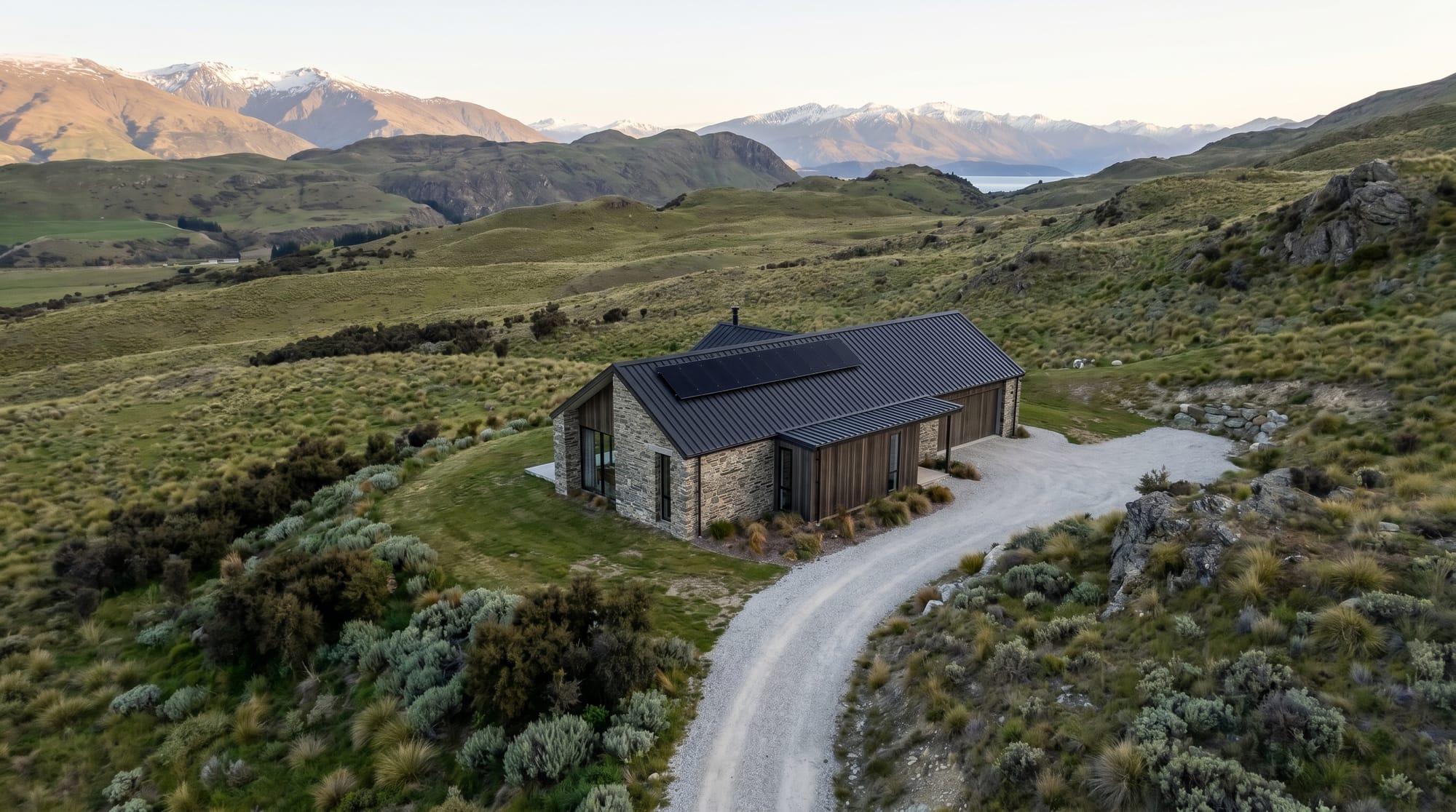
Solar in Otago
Aurora's 10kW export limit (lifted from 5kW in 2025), Central Otago's clear-sky bonus, and what 29.8c power does to payback. What Dunedin and Central Otago homeowners need to know.
Read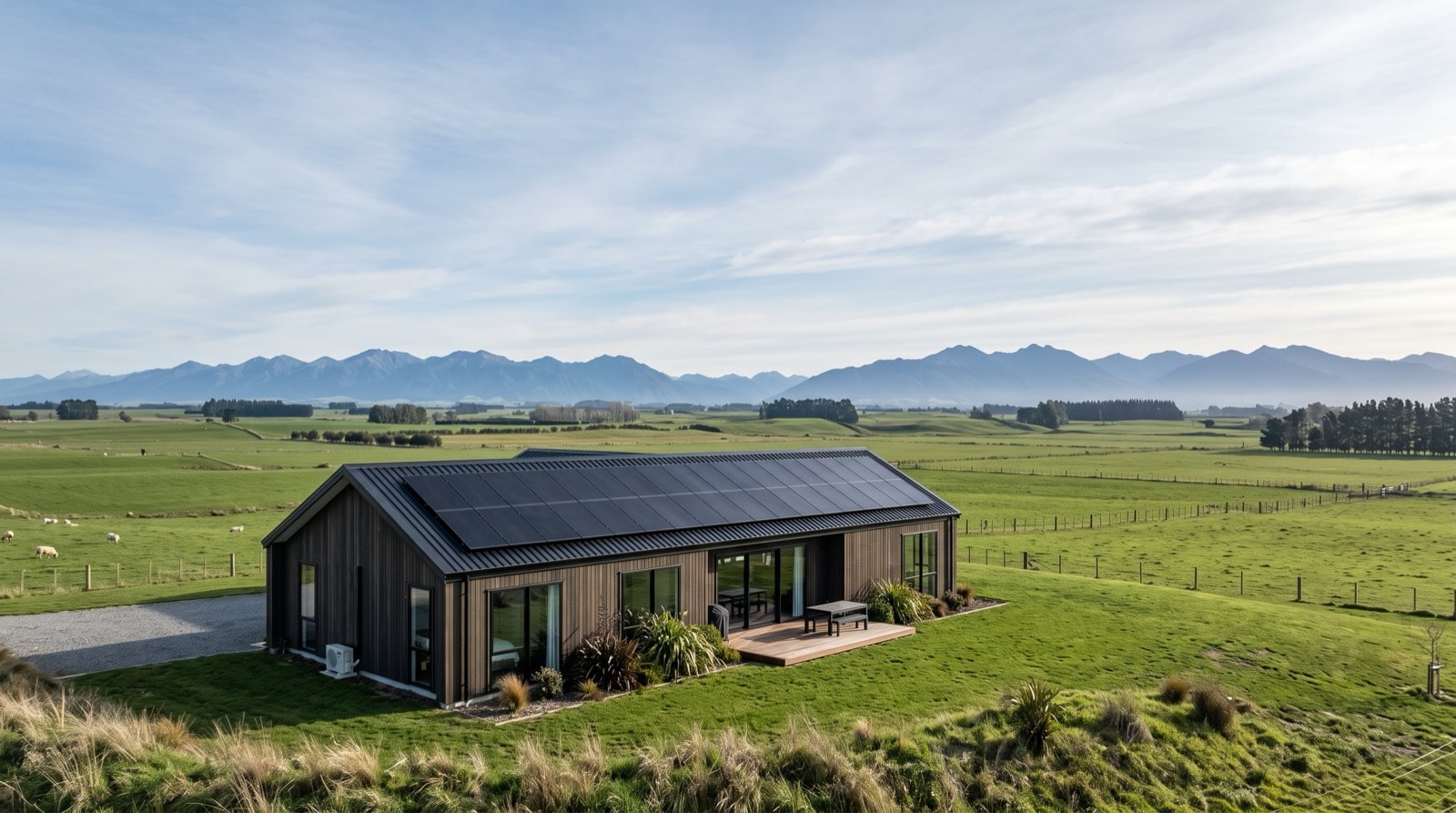
Solar in Southland
NZ's most southern region gets the least sun, so we'll be straight: Southland solar pays back slower than the north. Honest Invercargill yield figures, PowerNet's export rules, and who it still makes sense for.
Read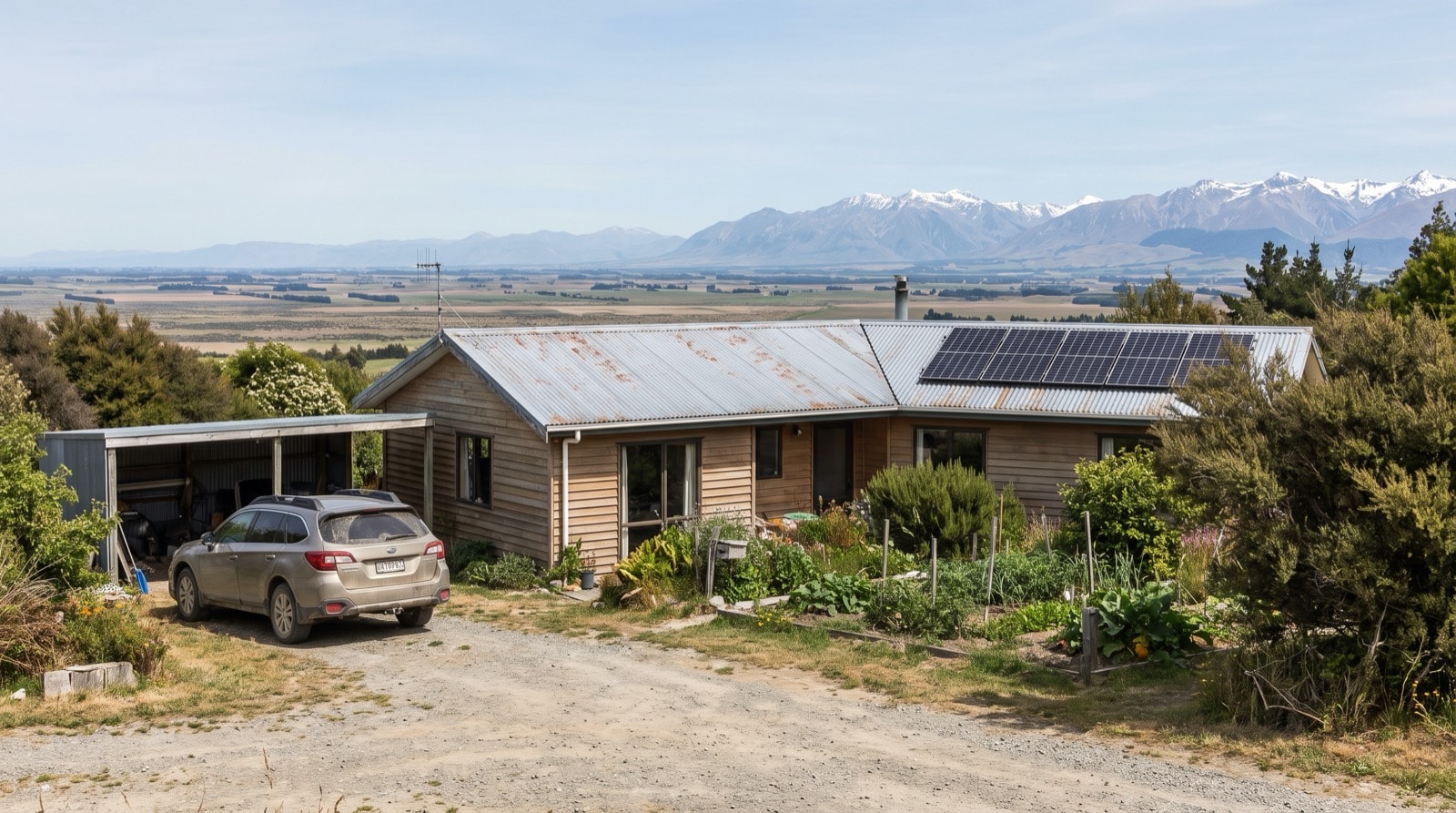
Solar in Canterbury
Orion's 10kW export limit, NZ's most advanced smart meter rollout, and clear Canterbury skies. What homeowners in Christchurch, Rangiora and Ashburton need to know.
Read
Solar in Auckland
Vector's 10kW dynamic export limit, 26.4c/kWh power prices, and 4.2 peak sun hours. What Auckland homeowners need to know about going solar.
Read
Join the conversation
The best comments are honest ones: Real experience. Share yours, please stay civil and on topic. No self-promo links.
Your email is never shown or shared. To change or remove a comment later, .
No comments yet. What is your experience with this? Be the first to weigh in.