
Compare Solar Batteries NZ: Specs, Sizes and Brands (2026)
28 solar batteries sold in NZ, with an indicative price list and specs from the manufacturer datasheets. Compare Powerwall and its alternatives side by side.28 solar batteries sold in NZ with indicative price list, specs sourced directly from manufacturer datasheets, including the Tesla Powerwall and its main alternatives. Compare storage, backup power, warranty and value to find the right fit for your home.

Specs verified 30 June 2026. Prices are indicative NZ estimates.
Solar batteries
side by side
Capacity & Power
Pick two or more batteries to compare
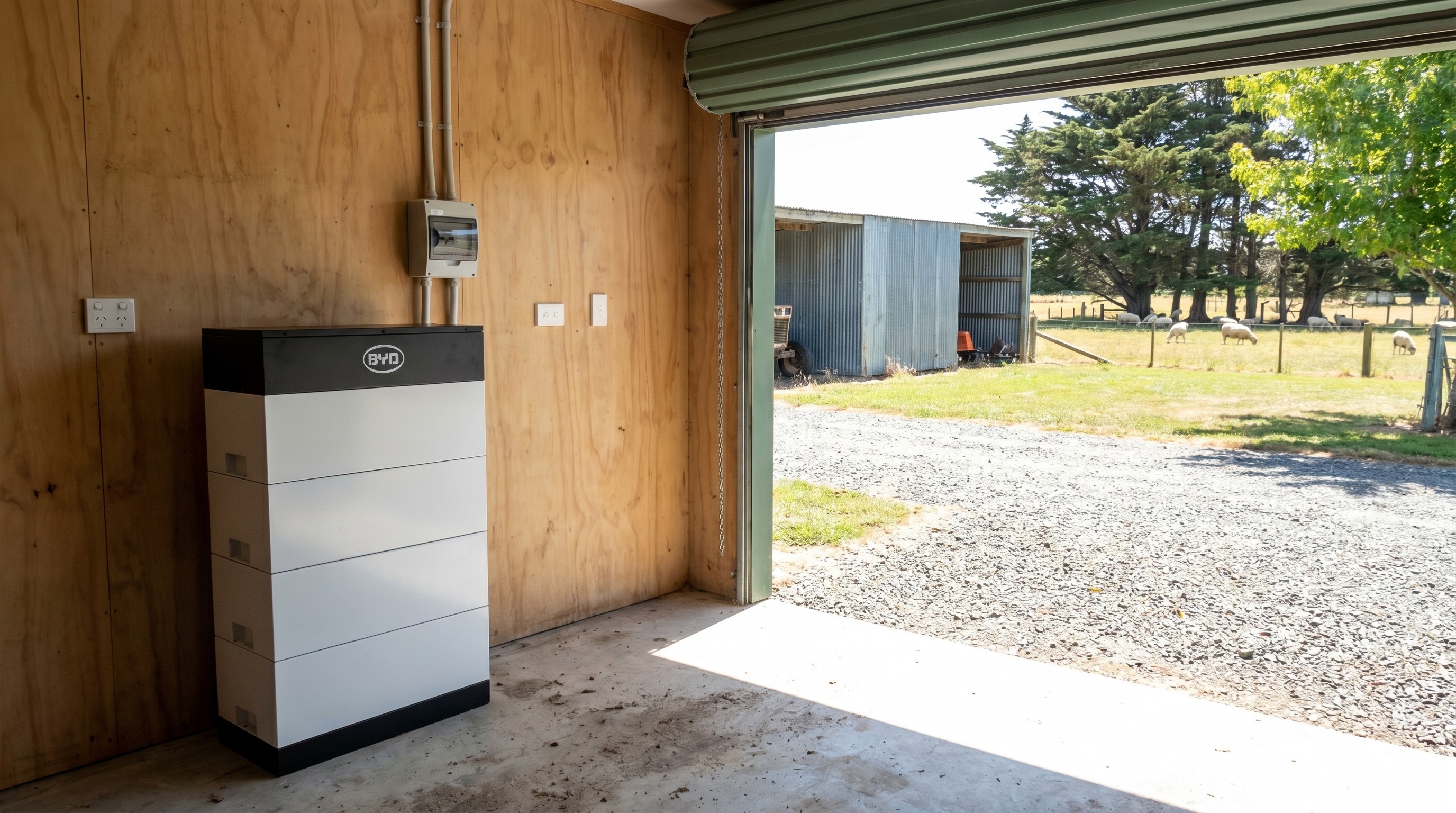
Stackable 48 V module
- Cell chemistry
- Lithium-ion
- Continuous power
- Not published
- Warranty
- 10 years
- Power cut backup
- Not published
- Off-grid capable
- Not published
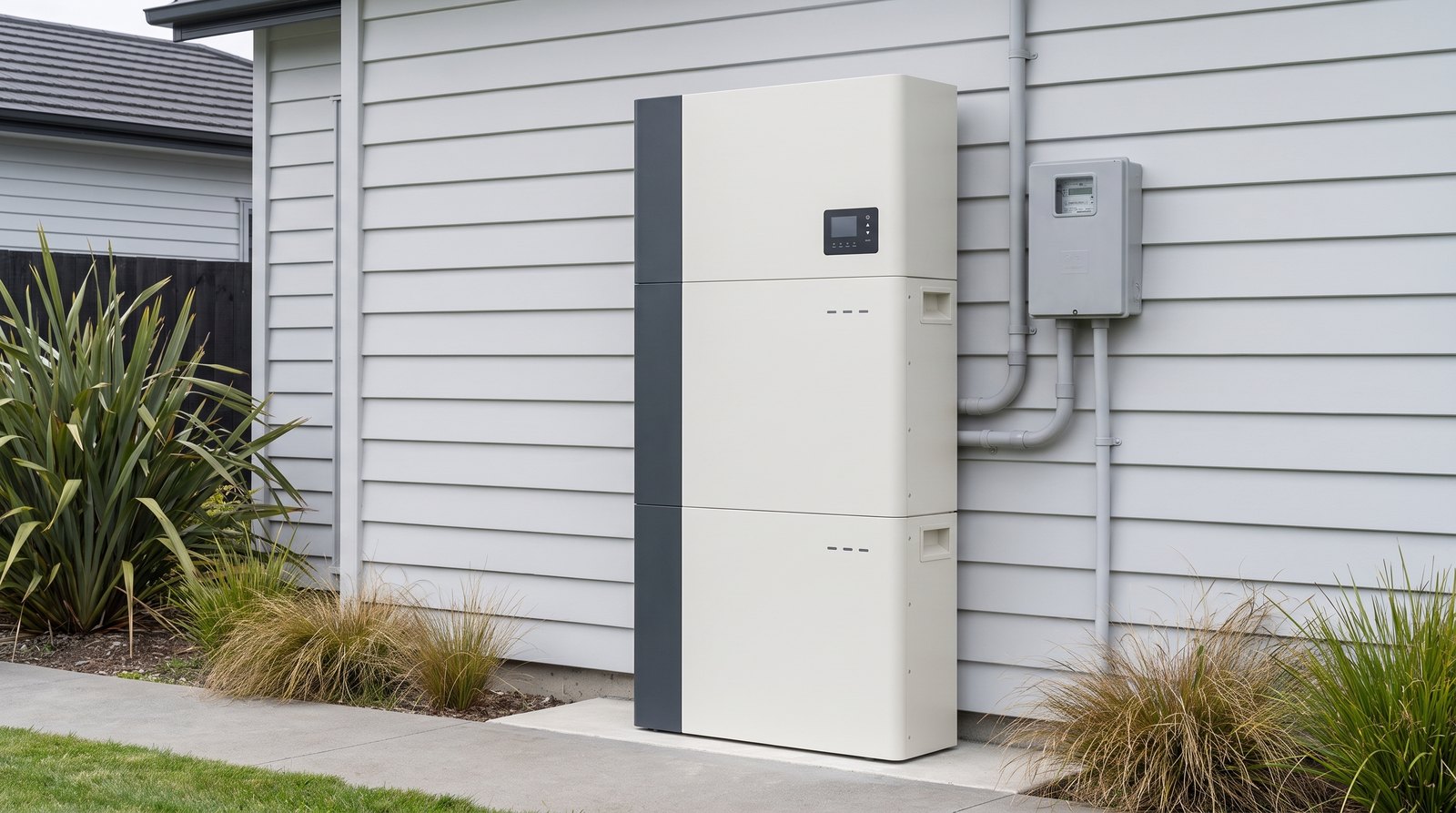
Slim wall pack
- Cell chemistry
- Lithium-ion
- Continuous power
- Not published
- Warranty
- 10 years
- Power cut backup
- Not published
- Off-grid capable
- Not published
Slim entry point
- Cell chemistry
- Lithium-ion
- Continuous power
- 2.5 kW
- Warranty
- 10 years
- Power cut backup
- Whole home
- Off-grid capable
- Yes
- $ per usable kWh (installed)
- $1,500/kWh
15-year warranty
- Cell chemistry
- Lithium-ion
- Continuous power
- 3.2 kW
- Warranty
- 15 years
- Power cut backup
- Whole home
- Off-grid capable
- Yes
- $ per usable kWh (installed)
- $1,600/kWh
Everyday starter
- Cell chemistry
- Lithium-ion
- Continuous power
- 3.6 kW
- Warranty
- 10 years
- Power cut backup
- Essential loads
- Off-grid capable
- No
- $ per usable kWh (installed)
- $1,379/kWh
Budget starter
- Cell chemistry
- Lithium-ion
- Continuous power
- 2.5 kW
- Warranty
- 10 years
- Power cut backup
- Essential loads
- Off-grid capable
- Yes
- $ per usable kWh (installed)
- $1,491/kWh
Clever newcomer
- Cell chemistry
- Lithium-ion
- Continuous power
- 4 kW
- Warranty
- 10 years
- Power cut backup
- Whole home
- Off-grid capable
- Yes
Punchy modular
- Cell chemistry
- Lithium-ion
- Continuous power
- 7.7 kW
- Warranty
- 10 years
- Power cut backup
- Whole home
- Off-grid capable
- Yes
- $ per usable kWh (installed)
- $1,147/kWh
Expandable mid-sizer
- Cell chemistry
- Lithium-ion
- Continuous power
- 5 kW
- Warranty
- 10 years
- Power cut backup
- Essential loads
- Off-grid capable
- Yes
- $ per usable kWh (installed)
- $1,146/kWh
Quiet achiever
- Cell chemistry
- Lithium-ion
- Continuous power
- 5.8 kW
- Warranty
- 10 years
- Power cut backup
- Whole home
- Off-grid capable
- Yes
- $ per usable kWh (installed)
- $1,198/kWh
Sensible mid-sizer
- Cell chemistry
- Lithium-ion
- Continuous power
- 3 kW
- Warranty
- 10 years
- Power cut backup
- Whole home
- Off-grid capable
- Yes
- $ per usable kWh (installed)
- $1,429/kWh
All-in-one system
- Cell chemistry
- Lithium-ion
- Continuous power
- 6 kW
- Warranty
- 10 years
- Power cut backup
- Essential loads
- Off-grid capable
- Yes
- $ per usable kWh (installed)
- $1,359/kWh
Not sure where to start?
Two ready made matchups, the popular picks,
or the best budget options.
Solar batteries in NZ
at a glance
The headline numbers across all 28 batteries sold in NZ,
from usable capacity to value per kWh.
Sorting the rest of the system? Compare solar panels and inverters side by side, or see where panels go on your roof.
Related guides
View all
Found a couple you like?
Prices are indicative, and each card says whether its price is installed or supply only. Compare real quotes from vetted local installers to see what it actually costs at your place.
Compare up to 3 quotesHow much do solar batteries cost in NZ?
Installed home battery prices in New Zealand mostly run between $7,500 and $19,000, depending on capacity and brand. Price per usable kWh usually improves as capacity grows: here the FranklinWH aPower 2 is the sharpest value at about $967 per usable kWh, the Enphase IQ Battery 5P the dearest near $1,600. Prices are indicative and exclude extras like a switchboard or backup wiring. For payback and how batteries compare with exporting to the grid, read our guide on whether a solar battery is worth it in NZ.
LFP vs NMC: which battery chemistry lasts longer?
24 of the 28 batteries here use LFP (lithium iron phosphate). LFP handles more charge cycles than the older NMC chemistry, runs cooler, and copes with sitting at a full charge, which is why most warranties now reach 10 years or more. NMC packs more energy into a smaller, lighter box, so it still suits tight spaces. For a battery that cycles daily, LFP is usually the safer long term pick.
What size solar battery do you need?
A typical New Zealand home uses about 15 to 20 kWh a day. A 5 kWh battery covers the evening peak when power is dearest, and around 10 kWh starts carrying you through a full night on stored solar. Usable capacity here runs from 4.05 kWh (SolaX Triple Power T45) to 16 kWh (BYD Battery-Box LVS), and most solar homes land in the middle. Some batteries stack, so you can start small and add modules later: see our review of the Sigenergy SigenStor in NZ. Living off the grid needs a much bigger battery than a grid-tied home, and our guide to off-grid solar in NZ covers that sizing.
Which batteries keep the power on in a blackout?
Not every battery offers whole home backup: some only run essential circuits like the fridge and lights, and a few need a manual changeover. Continuous power here ranges from 2 kW to 20 kW, which sets how much you can run at once in an outage. If backup matters, check the backup capability and transfer type before assuming whole home cover.
How we verify these specs
Every figure here comes straight from the manufacturer's published datasheet, checked by hand. Where a brand does not publish a number, we mark it Not published rather than guess. Prices are indicative New Zealand estimates on one consistent installed basis, so the value per usable kWh stays fair between brands. Last verified 30 June 2026: spot something out of date? Tell us and we will recheck.
Home battery FAQs
Of the 18 batteries on this page with a published NZ installed price, indicative installed pricing runs from $7,500 to $19,000. Another 4 carry only a supply-only or module-only price, which leaves out installation, so they sit outside that range. Value per usable kWh ranges from about $967 to $1,600. Your exact installed cost depends on your switchboard, inverter and installer.
No. A home battery can be added without solar, charging from cheaper off peak grid power and discharging at peak times. You get the most value pairing it with solar, but panels are not a requirement.
Both are LFP batteries with whole home backup options. The Powerwall 3 bundles its inverter into one unit, while BYD's Battery-Box range is modular, so you size it in steps to suit your home. Put them side by side above to see exact usable capacity, power and price.
Most batteries here carry a 10 year warranty, and a few (FranklinWH aPower 2, Enphase IQ Battery 5P, Qcells Q.HOME Core H5) go to 15 years. Warranties usually guarantee the battery keeps a set share of its capacity over that time. LFP batteries often outlast their warranty in normal daily use.
There is no single number: payback depends on your power price, how much you use and whether you have solar. Our solar battery storage guide works through the payback maths for New Zealand conditions.
Some can, some cannot. Whole home backup needs enough continuous power (here that goes up to 20 kW) plus the right backup wiring. Others only run essential circuits like the fridge and lights. Check the backup capability row before assuming full coverage.