

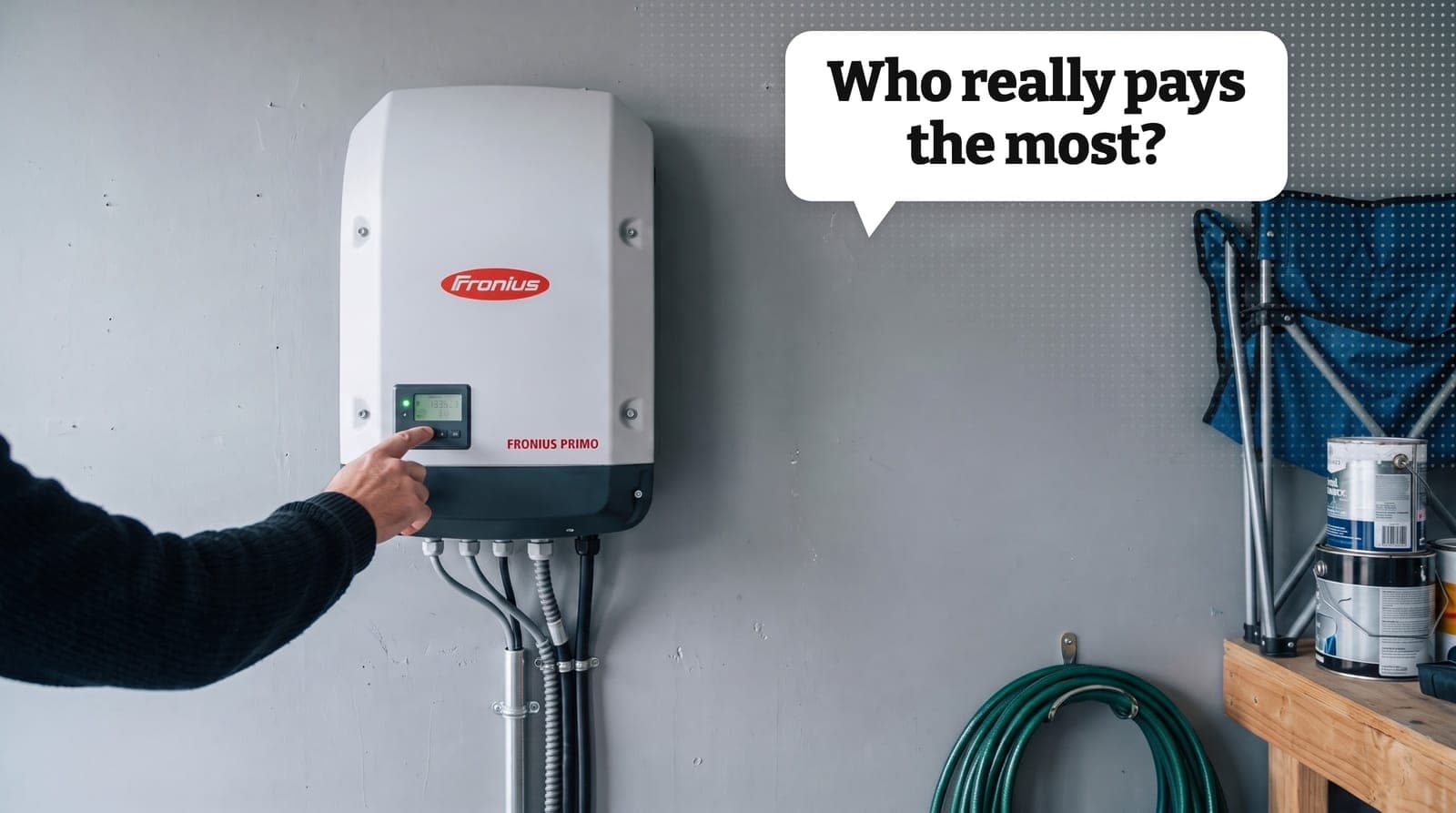
You've seen the ad. Twenty-four cents a unit for the power your panels push back to the grid. That rate is real. Here's the bit they leave off the poster: it's paid at 7am and again at 6pm, when your roof is dark or barely awake. The rate that actually lands on your bill is the quiet one underneath. On some plans it's as low as 8c.
Key Points
- The highest advertised buy-back rates in NZ, 21c to 25c a unit, are all paid inside peak windows that fall mostly outside daylight.
- A home without a battery exports almost all its power off-peak, so the off-peak rate, as low as 8c, is what decides what your roof earns.
- Since 1 July 2026 the four retailers holding 87% of connections have to offer an export plan that changes rate through the day. The catch: there is no minimum rate.
- Most peak windows are weekday-only. That is 104 days a year with no headline rate at all.
- Got a battery? Using your own power in the evening beats exporting it at peak on every plan we could check.
The live table of every retailer's published rate, kept current as they change, is on our best solar buy-back rates guide. This piece is about what those rates are actually worth.
Powerswitch, run by Consumer NZ, lists Contact Energy's home buy-back at 8c a unit. That is the lowest in the country. And it matters more than the headline, because a solar home sends most of its power to the grid in the middle of the day, when the sun is high and the house is empty. So that quiet 8c, not the 24c on the ad, is what your roof actually earns.
What actually changed on 1 July 2026
Since 1 July 2026, the four biggest retailers have had to offer a plan where the export rate changes through the day. The Electricity Authority wrote the rule. It decided it in July 2025 and spelled out what retailers must do in December.
Here is the important part. The rule sets the shape of the price, not the level. Retailers can put the peaks and troughs wherever they like, and there is no floor. A retailer could offer a 4c peak and a 3c off-peak and still tick the box. That makes the headline peak rate the most valuable thing a power company can advertise, and the one number you cannot check.
One more wrinkle worth knowing. Export is treated as its own plan. A retailer can run a tidy time-of-use plan for the power you buy and still drag its feet on the power you sell.
The big four own 87% of the country
Four retailers, Mercury, Genesis, Contact and Meridian, hold 87% of New Zealand's power connections between them: Mercury on 25%, Genesis 22%, Contact 20%, Meridian just under 20%. The rule bites at 5% of the market, so those four are in. Everyone smaller is out.
The logo wall will not tell you who is who. Frank is Genesis. Powershop is Meridian. Glo-Bug is Mercury. Flick is gone: Meridian bought its book in 2025. The market quietly bunched up right before a rule that only touches the big players.
Here is the sting. Several of the retailers with the strongest off-peak rates, the number that actually decides what a battery-less roof earns, sit under the 5% line. Ecotricity's 16c off-peak is one. So the rule written to improve export pricing does not reach some of the retailers already paying most for the hours your roof really exports.
Every rate in the country, side by side
Nobody puts every retailer's peak, off-peak and window on a single screen. So we did. This is live from our own registry, and dated.
Buy-back conditions
Contact Energy
Published at last. Contact's all-plans page (checked 19 October 2026) lists the Good Charge solar buy-back at 25c/kWh excluding GST on weekdays 7 to 9am and 6 to 10pm, and 8c/kWh at every other hour; the Basic, Good Weekends and Broadband Bundle plans pay a flat 8c/kWh, and solar is not available on Good Nights. The Good Charge page adds that customers who joined before 29 June 2026 keep their old flat rate unless they switch to the current plan. Good Charge needs a communicating smart meter and is built around a battery: a roof without one exports almost nothing inside those windows and earns the 8c, the lowest off-peak rate here. Until October 2026 this row said the rate was not published, because Contact's solar page names the window without the cents and Powerswitch's September 2026 table lists only the 8c.
Buy-back conditions
Ecotricity
ecoSOLAR pays 21c/kWh peak and 16c/kWh off-peak. The peak WINDOW is not published, and neither is the GST basis on Ecotricity's own page. Powerswitch also lists a flat-rate alternative at 18c/kWh for low users and 17c/kWh for standard users, which pays the same rate all day and can suit a household without a battery better than the peak plan. Confirmed against Powerswitch's September 2026 table.
Buy-back conditions
Electric Kiwi
One rate, two GST bases. Electric Kiwi's own solar page advertises 23c/kWh peak (weekdays 7 to 9am and 5 to 9pm on MoveMaster) and 11.5c/kWh off-peak, both including GST. Powerswitch's September 2026 table lists the same plan at 20c/kWh and 10c/kWh excluding GST, which is the same money (20c plus 15% is 23c). Until October 2026 this row showed the two as a disagreement; they are one rate on two bases. The Everyday and GO250 plans pay 8c/kWh. Ask for the number in writing before you switch.
Buy-back conditions
Frank Energy
Flat 12.5c/kWh, and Frank's own FAQ says the credit is shown before GST. If you are not GST-registered you are not making a taxable supply, so 12.5c is what lands on the bill: the 15% is added only for GST-registered customers, via a buyer-created tax invoice. Systems up to 50kW, and you need an export-capable meter. Frank does not appear on Powerswitch's solar table, so this was confirmed on Frank's own FAQ (page updated 19 May 2026).
Buy-back conditions
Genesis Energy
Two shapes on the HomeGen plan. Time-varying pays 15c/kWh peak (7 to 9am and 5 to 9pm) and 12.5c/kWh off-peak (9am to 5pm and 9pm to 7am). Anytime pays a flat 12.5c/kWh with no window to chase, the same rate as its Frank brand. Genesis states its export rates exclude GST. Confirmed against Powerswitch's September 2026 table.
Buy-back conditions
Mercury
The Flex plan is seasonal AND time-of-use, so it has four rates, not two. Winter (1 May to 30 Sep): 20.38c/kWh peak and 15.75c/kWh off-peak. Summer (1 Oct to 30 Apr, the seven months a roof exports most): 10.44c/kWh peak and 9.17c/kWh off-peak. Peak is 7 to 11am and 5 to 9.30pm in both seasons. The ranges above span the year because no customer is ever paid a winter peak and a summer off-peak at the same time. Mercury's flat plan pays 11.1c/kWh instead. Rates exclude GST. A further 6.9c/kWh for two years is available if you install through one particular installer: that is an installer arrangement, not a plan rate, and it is deliberately not folded into the rate above. Confirmed against Powerswitch's September 2026 table.
Buy-back conditions
Meridian Energy
15c/kWh year-round on the open-term Freedom and Night Saver plans, lifting to 24c/kWh in the winter peak windows only (7 to 10am and 5 to 9pm, July to September). Exports bill at 15c and the extra 9c arrives as a separate credit; you need a communicating smart meter to get it. Other residential plans, including the EV plan, get a flat 12c. Meridian's page says rates do not include GST. Confirmed against Powerswitch's September 2026 table.
Buy-back conditions
Nova
A flat 10c/kWh all day, with no peak window to chase and no seasonal split. Sourced from Powerswitch's September 2026 table, which publishes rates excluding GST; Nova's own page does not state a basis.
Buy-back conditions
Octopus Energy
The Peaker plan (systems 20kW or less) pays 23c/kWh peak and 10c/kWh off-peak, peak being 7 to 11am and 5 to 9pm on weekdays. Octopus says on its own page that you are unlikely to make the most of the peak rate without a battery. The standard Flexi plan (10kW or less) pays 19c peak and 14c off-peak, and Free Lunch pays 17c peak and 8c off-peak. ⚠ All of these are lower on the Northpower and Top Energy networks, so Northland is not on the national numbers: Peaker is 21c/8c and Flexi 17c/12c there. Confirmed against Powerswitch's September 2026 table, which now agrees with Octopus's own page.
Buy-back conditions
Power Edge
⚠ Read the condition. Powerswitch's September 2026 table lists 17.39c/kWh with a 3-year contract, and 12.5c/kWh without one, so the headline rate costs you three years of switching freedom. Power Edge's own pages advertise different figures again (17c year-round and up to 27c in a winter peak on its homepage, 14.37c on its join page, and a 20c 'Power Shield' rate that is the same 17.39c with GST added). Ask which number applies to you, in writing, before you sign. Powerswitch publishes excluding GST.
Buy-back conditions
Powershop
13c/kWh for most of the year, lifting to 23c/kWh in the winter peak only: 7 to 11am and 5 to 9pm, Monday to Friday, during July, August and September. That is three months of weekday mornings and evenings, so a roof without a battery earns the 13c rate for the overwhelming majority of what it exports. Sourced from Powerswitch's September 2026 table, which publishes rates excluding GST.
Buy-back conditions
Pulse Energy
A flat 12c/kWh, but Powerswitch notes it varies depending on location, so confirm the figure for your address before you switch. Sourced from Powerswitch's September 2026 table, which publishes rates excluding GST.
Buy-back conditions
Toast Electric
A flat 12.5c/kWh all day, but Toast only serves four networks: Wellington Electricity, Electra, Powerco Wairarapa and Orion. If your address is outside those, this rate is not available to you at all. Sourced from Powerswitch's September 2026 table, which publishes rates excluding GST.
Most peak windows miss the sun
The high rate is only paid in these hours, and most land before or after your roof is generating.
Now line that up with the sun. The morning window catches a low sun and a house waking up and using its own power, so barely anything reaches the meter. The evening window is worse: the sun is gone and demand is peaking, so a home without a battery has, most evenings, nothing to sell into its best-paying hours. And most of these windows are weekday-only. That is 104 days a year, every weekend, with no peak rate at all. Octopus is the one exception. Its 7 to 11am window catches genuine generation from 9am on.
The 25c Contact now publishes
Contact's Good Charge plan was quoted all over the internet at 25c peak for most of 2026, and for months we could not find the number on any Contact page or on Powerswitch, so this section said so. On 19 October 2026 we found it. Contact's all-plans page lists the Good Charge solar buy-back at 25c a unit, excluding GST, on weekdays from 7 to 9am and 6 to 10pm, and 8c at every other hour. The other Contact plans pay a flat 8c, and solar is not available on Good Nights. The Good Charge page adds that customers who joined before 29 June 2026 keep their old flat rate unless they switch to the current plan.
So the 25c is real, published, and the highest peak rate in the country. It is also the clearest case of the point this piece makes. A roof without a battery exports almost nothing between 6 and 10pm or before 9am, so on Good Charge it earns the 8c, the lowest off-peak rate on any card. With a battery that discharges into those windows, 25c is worth having, and Contact's 8c the rest of the time is the price of it.
The other peaks on a retailer's own page: Meridian's 24c winter peak, Octopus's 23c on Peaker, Powershop's 23c winter peak and Ecotricity's 21c. Every one of them a window rate, paid for a few hours a day. Power Edge advertises up to 27c on its homepage, but its Powerswitch entry says 17.39c with a three-year contract and 12.5c without, so we are not treating the 27c as checkable.
What each headline is actually worth
The headline peak rate is not what fills the windows. A house without a battery exports what its roof makes above what it is using, overwhelmingly between 9am and 4pm. Only a sliver falls in the morning and evening peaks, and there is no peak rate on weekends anyway. Work it through and only about 4% of your exported power lands at peak. It is an estimate, not a measurement, but the conclusion holds even if we are well off.
Run every plan through that 4% and the headlines fall apart. Here are the eight plans we modelled, scaled to a 6.6 kW array making 9,000 units a year, keeping 40% for yourself and exporting the other 5,400. Five smaller retailers publish a rate too, and the full checked list with peak and off-peak for each is in the best solar buy-back rates guide.
Octopus Peaker's 23c realises just 10.5c, about two-thirds of what Ecotricity's lower 21c headline realises, because Peaker is really a battery plan and its off-peak is 10c. Contact's peak is not published, so a home without a battery earns near its 8c off-peak; even a 25c peak, if it exists, would only lift that to about 8.7c. Meridian's 24c runs July to September only, arrives as a separate 9c credit on top of 15c, and needs a smart meter that can talk back. And watch Mercury Flex: its seasons run backwards, with a 10.44c summer peak below its 15.75c winter off-peak, and "summer" runs October to April, exactly when your roof exports most. Where retailers and Powerswitch disagree, we have published the range and left it there: Electric Kiwi's own page reads as a flat 23c, its Powerswitch profile puts MoveMaster at 20c peak and 10c off-peak, and we will not pick one for you.
The spread across these eight is about $443 a year, and the headline peak is not what moves it. That is worth roughly ten times a 1c change in the import rate, so for a decent-sized system the export rate is what actually moves your bill. Compare two retailers on the net, not the headline: import cost minus export credit, on your own export volume. A retailer paying 16c off-peak with a 36c import beats one paying 8c off-peak with a 32c import, by about $267 a year, because it pays properly for what you export.
One number to be sceptical of while you are at it: a salesperson telling you a unit you use yourself saves you 42c. That 42c is MBIE's national average, a modelled figure with the daily fixed charge baked into the cents. You save your variable rate, not that. Inflating it is one of the oldest tricks in solar sales. Most retailers quote buy-back before GST, and if you are not GST-registered the number you see is the number you get, so ask how many cents will actually show up as a credit on your bill.
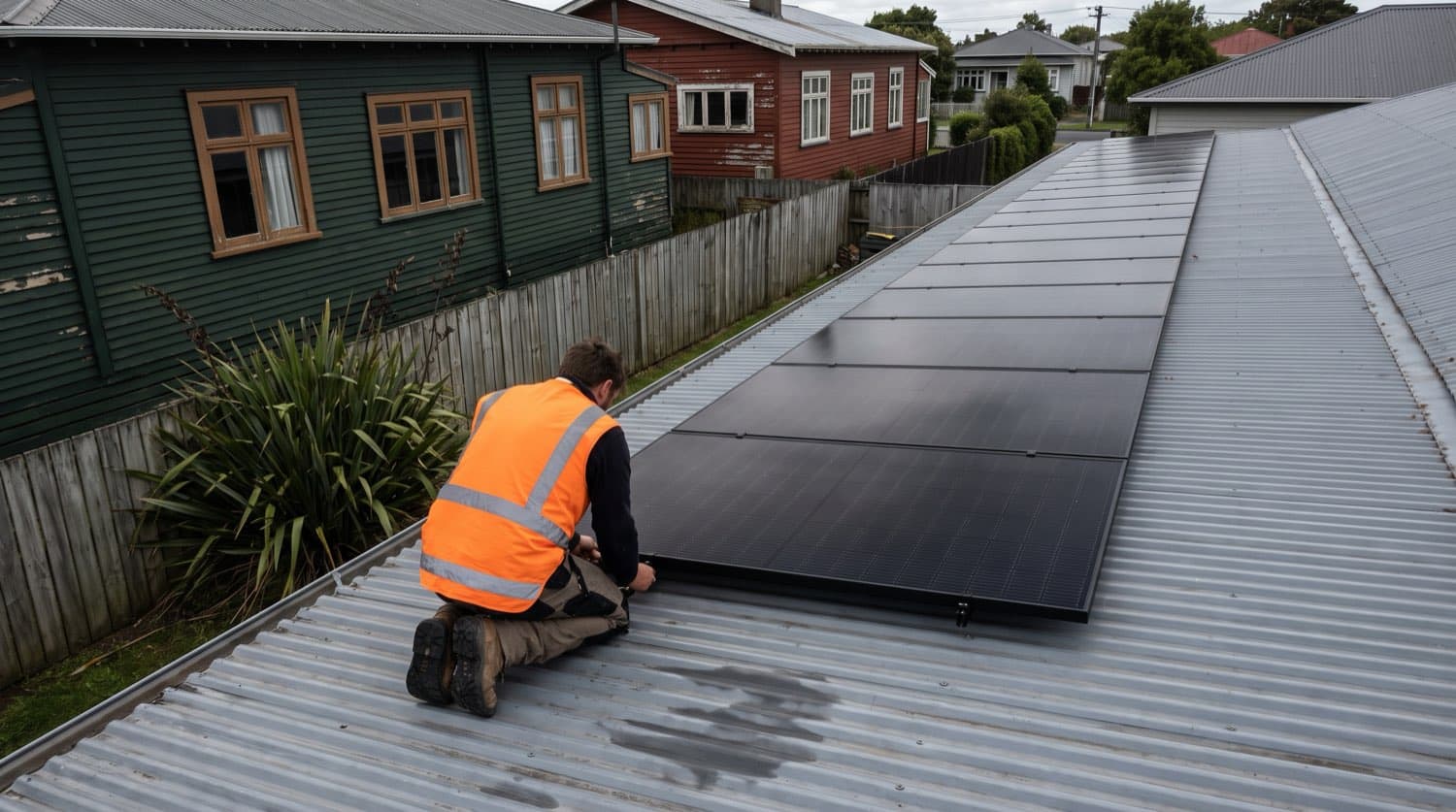
If you have a battery, use your power, do not sell it
Here is where the marketing pushes you the wrong way. A battery fills up midday and you get a choice: sell that stored power into the evening peak, or use it yourself when you would otherwise be buying from the grid. The ads want you to sell. The maths says use it.
Sell it and Peaker pays 23c at peak instead of 10c, so you are 13c a unit ahead on the roughly 250 weekday-window days a year: call it $260. Use it yourself and you dodge a 30c evening import instead of earning 10c, so you are 20c ahead on about 350 days: call it $560. Using your own power wins by around $300 a year, and that is on the plan with the highest verified peak in the country. On every plan we could see, the peak export rate sits below the peak import it would replace. (Those import rates are illustrative and depend on your address, so use your own bill.)
Your battery also spills plenty outside the windows, every weekend, all summer, every day it fills by 11am, and that power is paid the 8c to 10c off-peak. And the person the headline serves worst is the most common of all: no battery, switching on a peak rate whose page, in Contact's case, does not even print the number.
Use your own power first. Our battery storage guide runs the sums.
If you're weighing up a battery
Three of the batteries most quoted in NZ. Compare the full specs in our independent tool.
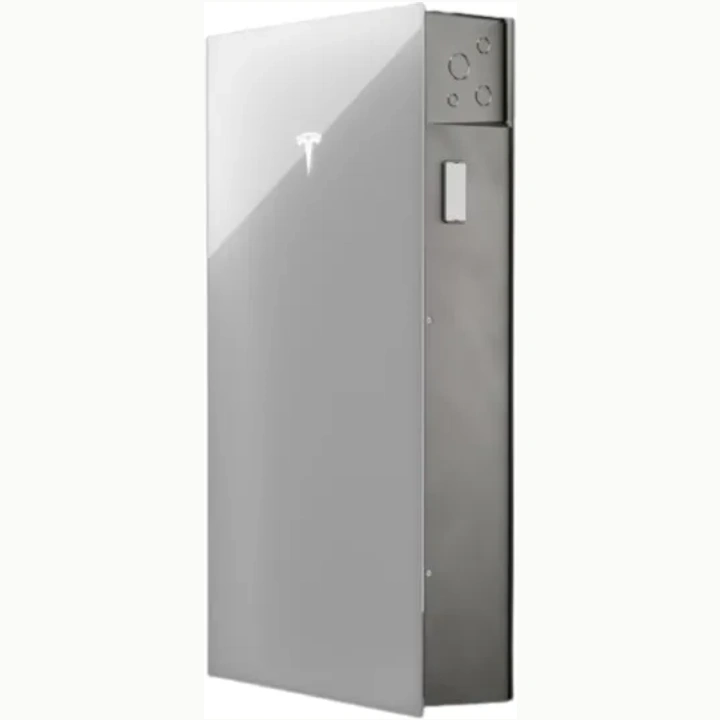
Tesla
Powerwall 3
Big power, big name
- Usable capacity
- 13.5 kWh
- Warranty
- 10 yrs
- Indicative price
- $19,000
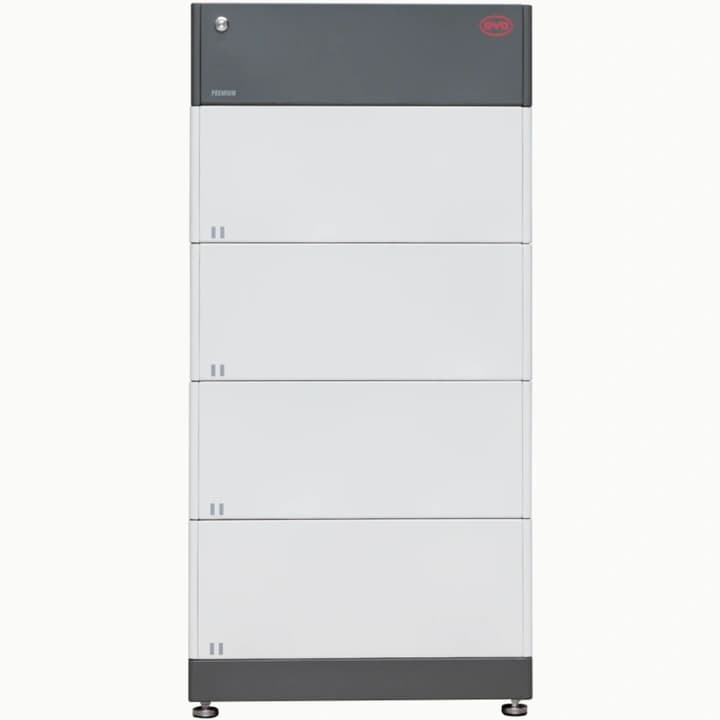
BYD
HVM 8.3
Punchy modular
- Usable capacity
- 8.28 kWh
- Warranty
- 10 yrs
- Indicative price
- $9,500
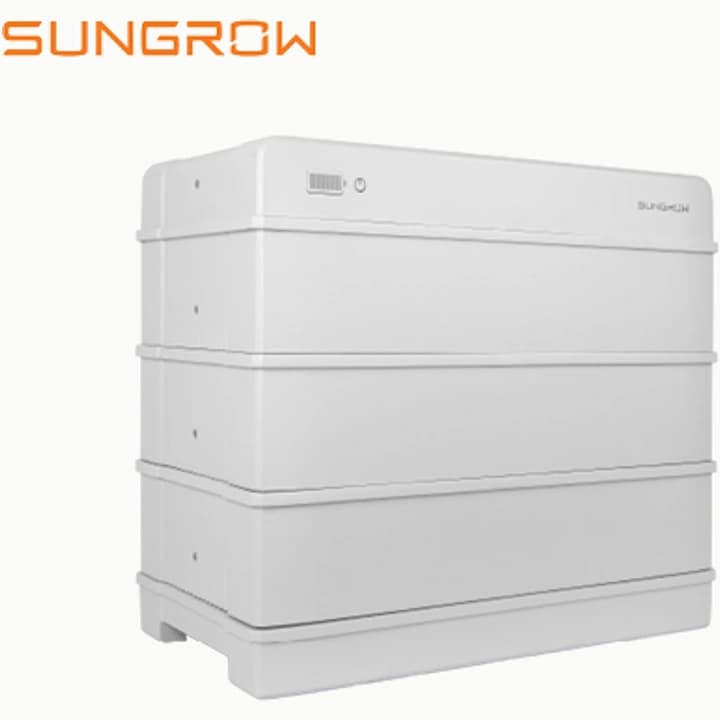
Sungrow
SBR HV 9.6
Quiet achiever
- Usable capacity
- 9.6 kWh
- Warranty
- 10 yrs
- Indicative price
- $11,500
One last thing solar will not fix: your daily fixed charge. Solar cuts your units, not the fixed line, and that charge keeps climbing. The low-user cap rose to $1.80 a day before GST on 1 April 2026, and on 1 April 2027 it goes entirely, in MBIE's words power companies "are no longer required to offer customers a low fixed charge". Solar households, usually under the low-user threshold, feel it hardest: we worked through what the end of low-user power plans costs a small household. How many kilowatts your lines company lets you export in the first place is a separate question that varies across all 29 networks: we mapped it in the grid access scorecard.
Five questions to ask before you switch
- Ask for the pair, not the headline. If they give you one number, you have your answer.
- Ask for the window, in hours and in days. A rate paid from 6 to 10pm is a battery rate, not a solar rate.
- Ask whether it is weekday-only. Most are. That is 104 days a year with no headline rate.
- Ask what basis it is quoted on, and how many cents land on the bill. Half the market does not say. Get it in writing.
- Compare the net, on your own export volume. Import cost minus export credit, for the units you actually export.
And the move that makes all five matter less: use more of what you make.
Where we've corrected this page
Hands up: we got a couple of things wrong the first time and fixed them in the open. An overstated Mercury rate, a few dead links, and a 25c Contact peak we could not find until 19 October 2026, when Contact's all-plans page showed it: 25c on weekdays 7 to 9am and 6 to 10pm, 8c otherwise, excluding GST. The table now carries it, and the biggest verified peak is Contact's 25c.
Every rate was read on 14 July 2026 and re-checked on 19 October 2026 from the retailer's page or Powerswitch, linked below. If you are a retailer and we have misread you, or you publish a rate we said you did not, tell us and we will fix it and re-date the page. We would rather be corrected than be wrong.
Keep reading


Sources
- Contact Energy, all plans: Good Charge solar buy-back 25c/kWh weekdays 7 to 9am and 6 to 10pm, 8c otherwise, excl GST, checked 19 October 2026
Regulator and government
- Time-varying price plan requirements: Retailer Guidance, 3 December 2025 (PDF, 37 pages), Electricity Authority
- Improving pricing plan options for consumers, decision paper, 16 July 2025 (PDF), Electricity Authority
- Energy Competition Task Force, Electricity Authority
- Market share snapshot, active ICPs at 31 May 2026, Electricity Authority EMI
- Mid-point review of the phase-out of the Low Fixed Charge Regulations, MBIE
- Electricity cost and price monitoring: Quarterly Survey of Domestic Electricity Prices, report for 15 May 2026, MBIE
- Solar buy-back rates, Powerswitch, Consumer NZ
Retailer pages and profiles, all read on 14 July 2026
- Solar, Contact Energy. Publishes the Good Charge peak window, not the rate.
- Solar, Meridian Energy
- Solar, Mercury
- Solar and battery, Octopus Energy
- OctopusPeaker, Octopus Energy
- Solar, Electric Kiwi
- Solar, Ecotricity
- Solar buy-back export FAQ, Frank Energy
- Solar, Genesis Energy
- Solar buy-back, Nova Energy
- Retailer profiles on Powerswitch, Consumer NZ, for the Contact, Electric Kiwi, Genesis, Mercury, Meridian, Nova and Octopus buy-back entries quoted above
Market
- Ampol exiting retail electricity, Meridian takes on customers, Meridian Energy, 13 May 2025
- What went wrong for Flick, RNZ
Key Points
- The highest advertised buy-back rates in NZ, 21c to 25c a unit, are all paid inside peak windows that fall mostly outside daylight.
- A home without a battery exports almost all its power off-peak, so the off-peak rate, as low as 8c, is what decides what your roof earns.
- Since 1 July 2026 the four retailers holding 87% of connections have to offer an export plan that changes rate through the day. The catch: there is no minimum rate.
- Most peak windows are weekday-only. That is 104 days a year with no headline rate at all.
- Got a battery? Using your own power in the evening beats exporting it at peak on every plan we could check.


compare.
Related guides
View all
Solar Panel Costs NZ: What You'll Actually Pay in 2026
Real pricing data for NZ solar in 2026. System costs by size, what affects price, and how to tell if a quote is fair.
Read
Best Solar Buy-Back Rates NZ: 13 Retailers Compared (2026)
Compare solar buy-back rates across 13 NZ power companies. Octopus, Meridian, Mercury, Genesis, Contact, Power Edge and more.
Read
Best Solar Installers NZ (2026)
How to find a quality solar installer in NZ. What to look for, red flags to avoid, and when SEANZ membership matters for your bank loan.
Read
Solar Battery Storage NZ: Powerwall 3 Price and Is It Worth It?
Solar battery prices in NZ: Tesla Powerwall, BYD, Enphase compared. When batteries make sense and when you're better off without one.
Read
How to Get Solar Quotes in NZ (and Compare Them Properly)
How to get solar quotes in NZ: EECA's 2-3 quote rule, where to get them, what to have ready, comparing $/W like-for-like, and the red flags in the quoting process.
Read
10kW Solar System NZ: Price, Output and Is It Too Big? (2026)
10kW solar systems in NZ: $15,000-18,000 installed, 13,000-14,300 kWh a year, 22-24 panels, the 40m² engineering rule, export limits, and when 6.6kW beats it.
Read
Join the conversation
The best comments are honest ones: Real experience. Share yours, please stay civil and on topic. No self-promo links.
Your email is never shown or shared. To change or remove a comment later, .
No comments yet. What is your experience with this? Be the first to weigh in.