

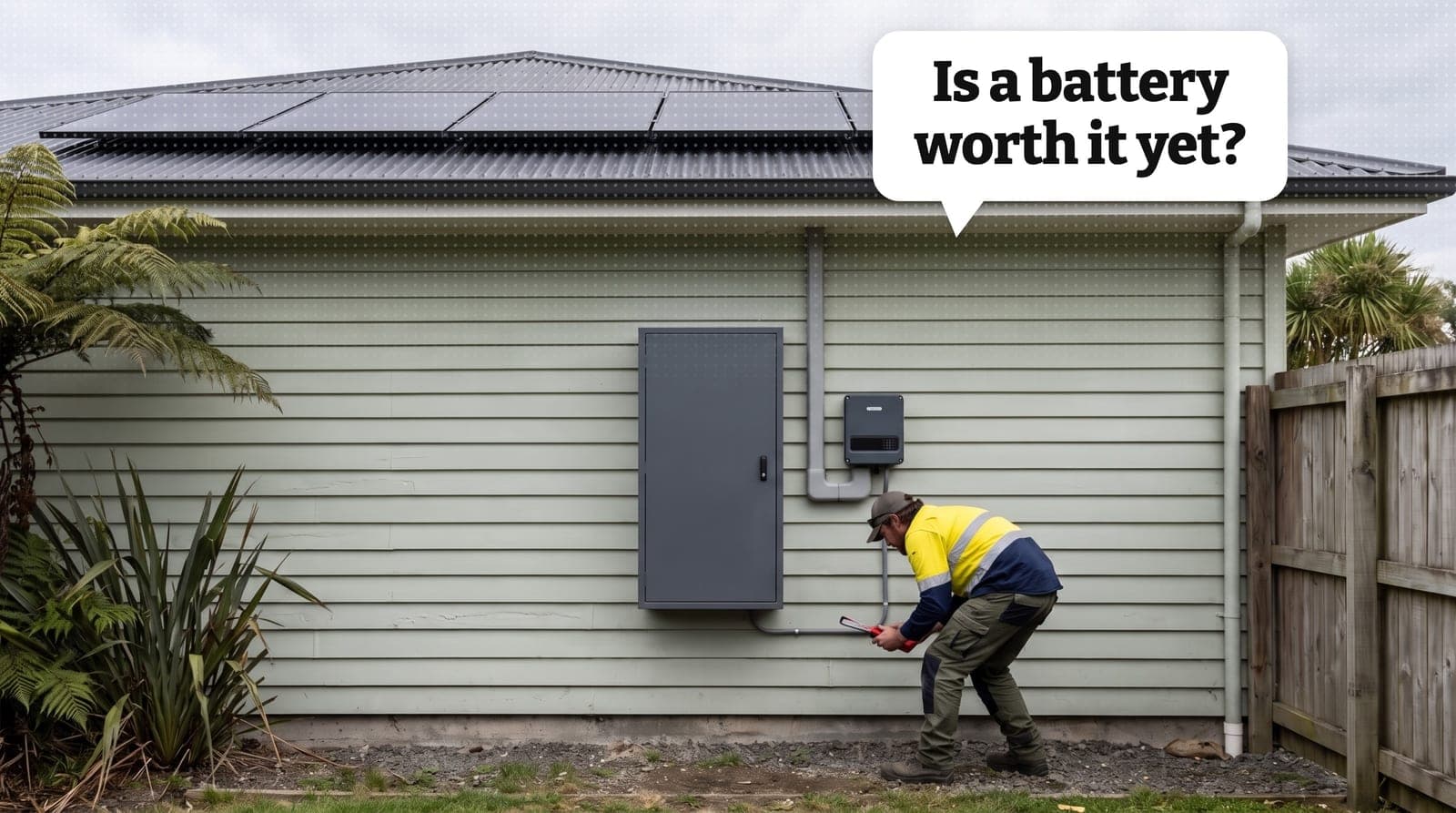
You've seen the headline. Twenty-five cents a unit for the power your panels push back to the grid at peak. Contact's Good Charge pays it on weekday mornings and evenings, Meridian pays 24c on winter mornings and Octopus 23c, all off their own pages. The three you can check are the three that are real.
Here's the one nobody puts next to them: you buy that same unit back for around 33c. So a kilowatt-hour sitting in your battery at 6pm is worth more to you used than sold, on every plan we could verify in New Zealand. The rule change didn't turn your battery into a little power station. It just made that easier to see.
So are solar batteries worth it in New Zealand? Not on the money alone: our central plan takes between 16 and 26 years to pay for itself, on a battery whose warranty runs 10.
Key Points
- The best peak export rate published anywhere is Contact's 25c, paid on weekday mornings and evenings, with Meridian's 24c winter peak next. You buy that same unit back for about 33c, so a stored unit is worth more used than sold.
- That new 1 April 2026 peak rebate from your lines company is real, but small: about $36 to $74 a year, under 2%.
- On our central case a 10 kWh battery hands back about $641 a year and takes roughly 19.5 years to pay for itself. The warranty runs 10.
- Using your own power beats exporting it on every plan we checked. A battery earns its keep on the gap between the export rate and the rate you pay to import.
- EECA ran the same maths on almost 50,000 homes and found the panels pay while storage stays too dear for many households.
Three rule changes, constantly confused
Most coverage mashes three separate rules into one "solar rebate". Only two are rates anyone can pay you. From 1 April 2026, every lines company pays a rebate on the power you export at peak. From 30 June 2026, the big retailers, those holding 5% or more of the market, must offer pricing that changes through the day on the power you buy; from 1 July 2026 they must offer at least one rate that changes through the day on what you export, with extra obligations on 1 October 2026 for any that skip June.
Those retailers reach 83% of households and businesses, says the Authority, but here's the catch the rest of this hangs off: nobody set a minimum rate. The shape of the price is mandated, the cents are left to the market. As EA Chair Anna Kominik put it to interest.co.nz, the decisions "reset the market rules". A reset, note, not a floor under the price.
The peak rebate is real, and small
From 1 April 2026 your lines company pays a bit extra for power you export at peak, credited through your retailer. RNZ published the rates: Vector 5.24c/kWh in Auckland, WEL Networks 6.35c in Waikato, Powerco 7c, and Scanpower in Dannevirke the highest RNZ found at 13c, each on a narrow winter window. Four networks, not thirty, and 13c is no cap.
What's it worth to a real home? My Solar Quotes ran the rebate across their own 8.2 kW solar-and-battery setup: out of $3,457.50 of annual benefit, exports earned $168 and the new rebate adds about $36 to $74 a year, under 2%. Their words: it "won't meaningfully shift behaviour around exporting at peak times." A company that lives on solar quotes, calling the good news small.
Every export rate we could verify
Nobody lays the whole market on one screen with the fine print attached, so we did. This is live from our own registry, every pair read off the retailer's own page and dated.
Buy-back conditions
Contact Energy
Published at last. Contact's all-plans page (checked 19 October 2026) lists the Good Charge solar buy-back at 25c/kWh excluding GST on weekdays 7 to 9am and 6 to 10pm, and 8c/kWh at every other hour; the Basic, Good Weekends and Broadband Bundle plans pay a flat 8c/kWh, and solar is not available on Good Nights. The Good Charge page adds that customers who joined before 29 June 2026 keep their old flat rate unless they switch to the current plan. Good Charge needs a communicating smart meter and is built around a battery: a roof without one exports almost nothing inside those windows and earns the 8c, the lowest off-peak rate here. Until October 2026 this row said the rate was not published, because Contact's solar page names the window without the cents and Powerswitch's September 2026 table lists only the 8c.
Buy-back conditions
Ecotricity
ecoSOLAR pays 21c/kWh peak and 16c/kWh off-peak. The peak WINDOW is not published, and neither is the GST basis on Ecotricity's own page. Powerswitch also lists a flat-rate alternative at 18c/kWh for low users and 17c/kWh for standard users, which pays the same rate all day and can suit a household without a battery better than the peak plan. Confirmed against Powerswitch's September 2026 table.
Buy-back conditions
Electric Kiwi
One rate, two GST bases. Electric Kiwi's own solar page advertises 23c/kWh peak (weekdays 7 to 9am and 5 to 9pm on MoveMaster) and 11.5c/kWh off-peak, both including GST. Powerswitch's September 2026 table lists the same plan at 20c/kWh and 10c/kWh excluding GST, which is the same money (20c plus 15% is 23c). Until October 2026 this row showed the two as a disagreement; they are one rate on two bases. The Everyday and GO250 plans pay 8c/kWh. Ask for the number in writing before you switch.
Buy-back conditions
Frank Energy
Flat 12.5c/kWh, and Frank's own FAQ says the credit is shown before GST. If you are not GST-registered you are not making a taxable supply, so 12.5c is what lands on the bill: the 15% is added only for GST-registered customers, via a buyer-created tax invoice. Systems up to 50kW, and you need an export-capable meter. Frank does not appear on Powerswitch's solar table, so this was confirmed on Frank's own FAQ (page updated 19 May 2026).
Buy-back conditions
Genesis Energy
Two shapes on the HomeGen plan. Time-varying pays 15c/kWh peak (7 to 9am and 5 to 9pm) and 12.5c/kWh off-peak (9am to 5pm and 9pm to 7am). Anytime pays a flat 12.5c/kWh with no window to chase, the same rate as its Frank brand. Genesis states its export rates exclude GST. Confirmed against Powerswitch's September 2026 table.
Buy-back conditions
Mercury
The Flex plan is seasonal AND time-of-use, so it has four rates, not two. Winter (1 May to 30 Sep): 20.38c/kWh peak and 15.75c/kWh off-peak. Summer (1 Oct to 30 Apr, the seven months a roof exports most): 10.44c/kWh peak and 9.17c/kWh off-peak. Peak is 7 to 11am and 5 to 9.30pm in both seasons. The ranges above span the year because no customer is ever paid a winter peak and a summer off-peak at the same time. Mercury's flat plan pays 11.1c/kWh instead. Rates exclude GST. A further 6.9c/kWh for two years is available if you install through one particular installer: that is an installer arrangement, not a plan rate, and it is deliberately not folded into the rate above. Confirmed against Powerswitch's September 2026 table.
Buy-back conditions
Meridian Energy
15c/kWh year-round on the open-term Freedom and Night Saver plans, lifting to 24c/kWh in the winter peak windows only (7 to 10am and 5 to 9pm, July to September). Exports bill at 15c and the extra 9c arrives as a separate credit; you need a communicating smart meter to get it. Other residential plans, including the EV plan, get a flat 12c. Meridian's page says rates do not include GST. Confirmed against Powerswitch's September 2026 table.
Buy-back conditions
Nova
A flat 10c/kWh all day, with no peak window to chase and no seasonal split. Sourced from Powerswitch's September 2026 table, which publishes rates excluding GST; Nova's own page does not state a basis.
Buy-back conditions
Octopus Energy
The Peaker plan (systems 20kW or less) pays 23c/kWh peak and 10c/kWh off-peak, peak being 7 to 11am and 5 to 9pm on weekdays. Octopus says on its own page that you are unlikely to make the most of the peak rate without a battery. The standard Flexi plan (10kW or less) pays 19c peak and 14c off-peak, and Free Lunch pays 17c peak and 8c off-peak. ⚠ All of these are lower on the Northpower and Top Energy networks, so Northland is not on the national numbers: Peaker is 21c/8c and Flexi 17c/12c there. Confirmed against Powerswitch's September 2026 table, which now agrees with Octopus's own page.
Buy-back conditions
Power Edge
⚠ Read the condition. Powerswitch's September 2026 table lists 17.39c/kWh with a 3-year contract, and 12.5c/kWh without one, so the headline rate costs you three years of switching freedom. Power Edge's own pages advertise different figures again (17c year-round and up to 27c in a winter peak on its homepage, 14.37c on its join page, and a 20c 'Power Shield' rate that is the same 17.39c with GST added). Ask which number applies to you, in writing, before you sign. Powerswitch publishes excluding GST.
Buy-back conditions
Powershop
13c/kWh for most of the year, lifting to 23c/kWh in the winter peak only: 7 to 11am and 5 to 9pm, Monday to Friday, during July, August and September. That is three months of weekday mornings and evenings, so a roof without a battery earns the 13c rate for the overwhelming majority of what it exports. Sourced from Powerswitch's September 2026 table, which publishes rates excluding GST.
Buy-back conditions
Pulse Energy
A flat 12c/kWh, but Powerswitch notes it varies depending on location, so confirm the figure for your address before you switch. Sourced from Powerswitch's September 2026 table, which publishes rates excluding GST.
Buy-back conditions
Toast Electric
A flat 12.5c/kWh all day, but Toast only serves four networks: Wellington Electricity, Electra, Powerco Wairarapa and Orion. If your address is outside those, this rate is not available to you at all. Sourced from Powerswitch's September 2026 table, which publishes rates excluding GST.
Two things stand out once you line them up. Retailers don't quote on the same footing: Contact, Mercury and Meridian publish before GST, Electric Kiwi says GST is already in, the rest don't say, so a non-registered household reads the number that lands on its bill, and even at its most generous the top of the grid sits under the 33c you pay to import. And two entries need a word: Contact prints no cents, so the 25c and 8c everyone quotes are doing the rounds, not published, which leaves Meridian's 24c the highest rate on any retailer's own page; Electric Kiwi is ambiguous, its "23c/kWh solar buy back rate and 11.5c/kWh off-peak (incl GST)" reading to us as a flat 23c while Canstar reads it as peak 23c, off-peak 11.5c and Powerswitch puts MoveMaster at 20c peak, 10c off-peak. Sources disagree there, so we carry the range, 20c to 23c at peak, and will not pick one. The thread: you need a battery to reach any of these, and a panels-only house has nothing to sell at 6pm anyway.
What a battery costs, in 2026
This is the shakiest ground in the piece: Australian prices at spot aren't New Zealand prices, and local data is thin. The one real New Zealand dataset, the My Solar Quotes and Rewiring Aotearoa cost survey of almost 100 systems on 2024 numbers, puts an installed battery at $1,249.79 per usable kWh; a Powerwall 3 (13.5 kWh usable) runs an indicative $19,000 to $24,000, and BYD, Sungrow and Pylontech units of 10 to 13 kWh around $10,000 to $15,000. Our working number is $12,500 for 10 kWh usable, or $1,250 per kWh, conservative against a Powerwall. We use a 90% round trip; Tesla's datasheet says 89% (the 97% quoted elsewhere is one leg of the trip, not the round trip). The warranty runs 10 years: on a 20-year payback, everything that counts happens after the cover is gone.
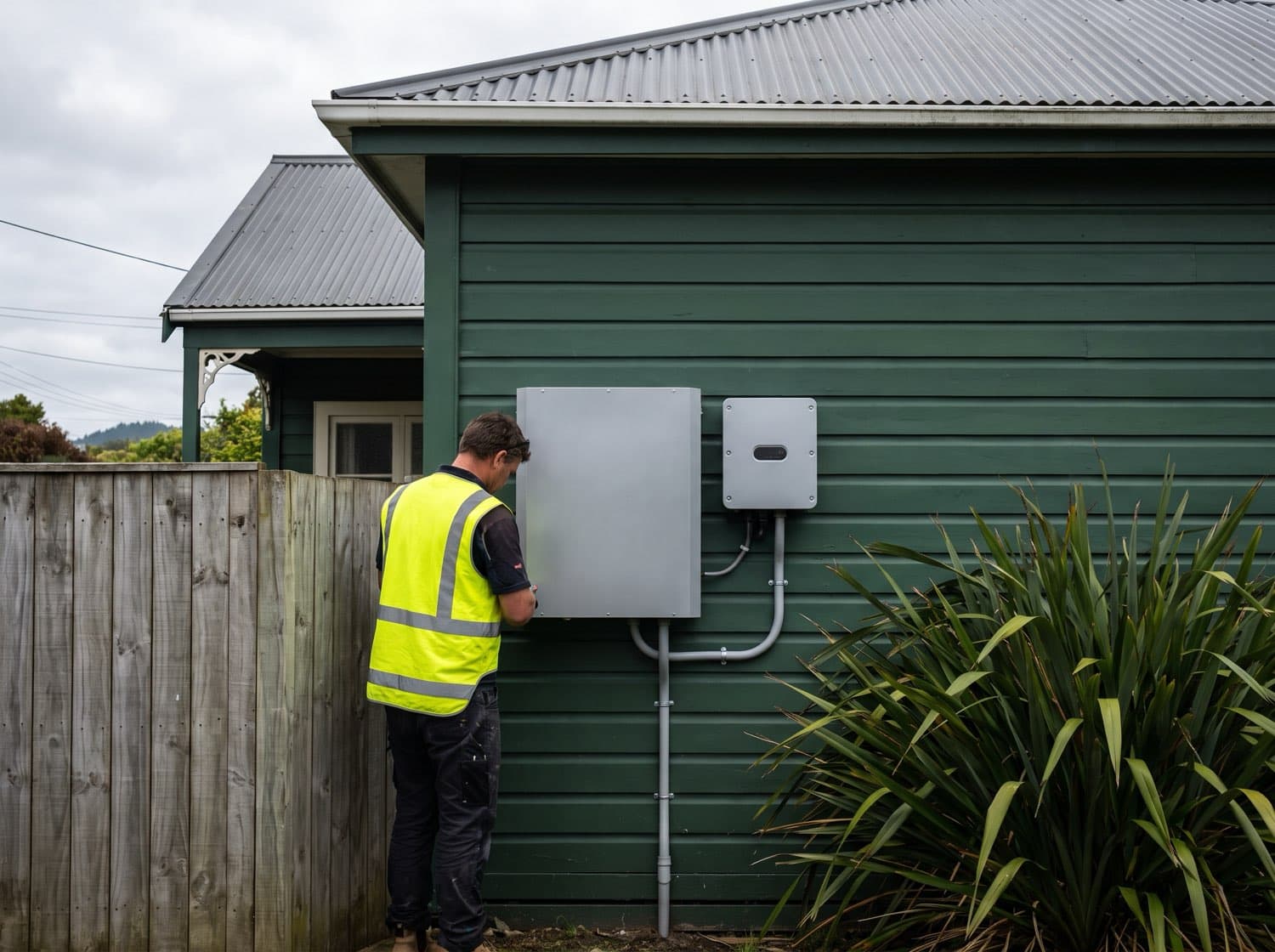
Our model runs a 6.6 kW array, MBIE's 8,000 kWh-a-year household, a 10 kWh battery, and 8,700 kWh of annual generation from EECA's solar PV generation appendix. The figure that swings the result most is the import rate a battery displaces, the variable part of your bill, which we estimate rather than quote: it sits between MBIE's 25.41c energy rate and its 40.6c all-in average (via Canstar, to 15 February 2026), and since the all-in figure includes a fixed daily charge a battery can't touch, we use 33c and test it at 28c and 38c. Your own peak rate depends on your plan and address, so check your bill before you lean on any of these numbers.
After the daytime load and the battery's 10 kWh cap, it charges about 9.9 kWh a day, roughly 8.9 kWh out the other side after the round trip, about 3,260 units a year. But look at June: the array makes 15 units a day against the 22 the house burns, so it can't even cover itself, let alone spare anything for peak. Winter, when Meridian's 24c peak is live, is exactly when your roof has the least to sell.
Keep it or sell it
This is the whole game. Our household pulls about 12 units between 4pm and 7am, plus 4 in the morning, and the battery delivers only 8.9, so the house drains it before a single unit reaches the export meter. Sounds like a limitation. It's the right answer. Watch what one stored unit is worth, depending on what you do with it:
Using your own power wins every time, and it's not close. Both sides cop the same 10% round-trip haircut, so it's one question: is the peak export rate higher than the rate you'd pay to import? Nowhere we looked. The only thing that would flip it is an export rate north of about 37c, enough to clear the 33c import even after the round trip, and we found nothing over 25c.
So are solar batteries worth it in NZ in 2026?
Multiply the 3,258 units the battery delivers by the 33c import you dodge and you save $1,075; take off the 12c given up on the 3,620 units it took to charge, about $434, and the battery clears $641 a year. That lives or dies on the import rate: at 28c it's $478 and a 26.1-year payback; at our central 33c, $641 over 19.5 years; at 38c, $804 and 15.5 years. There's the 16-to-26-year range, every year of it on a 10-year warranty.
The plan moves it just as much. On Contact's unverified 8c off-peak the payback is 15.9 years ($786 a year); on our mid-market central case (12c) 19.5; but on the flat-23c reading of Electric Kiwi's own page, one of the two readings in circulation, the same battery takes 51.5 years ($243 a year). The plan that pays your panels best pays your battery worst, because a battery earns on the gap between export and self-use. Quote a payback without naming the plan and you've skipped a variable worth thirty years. Going bigger is the same story slower: a 13.5 kWh Powerwall 3 at an indicative $21,000 delivers 4,154 units a year, worth $817, a 25.7-year payback, before any discount rate, degradation, or a module swap around year 12.
For a typical New Zealand household in 2026, a battery does not pay for itself. It is a resilience buy that hands a bit back, not a money-maker that happens to keep the lights on.
The bigger picture: no grant, and the agency agrees
We are not the first here. EECA modelled residential solar and storage on 30-minute readings from almost 50,000 homes across four cities: with no battery a 5 kW array returned internal rates of 7 to 14% in Queenstown, 6 to 12% in Auckland, 6 to 11% in Christchurch, and up to 10% in Wellington. Storage "can boost IRR by 1-2%", but batteries "remain too expensive for many households", and EECA points instead at "hot water diverters and timers". And if a quote leans on future grid-services income, treat it as a forecast: no New Zealand retailer publishes a price for orchestrating your battery yet (Meridian's VPP page is trials only, Octopus' Project Mercury a device standard, not a payment).
Nor is there a grant here. Australia's Cheaper Home Batteries Program gives, in the Clean Energy Regulator's own words, "around a 30% discount on the upfront cost of installing solar batteries", trimmed on 1 May 2026 when the certificate factor dropped from 8.4 to 6.8 and tapering toward 2.1 by 2030. New Zealand has none. Labour's SolarSaver policy, announced 8 July 2026, is $160 million over four years, reported as up to $3,000 for low and middle income households, but batteries in it get a loan, not a grant, and it's an election policy, not a scheme you can apply for (the election is 7 November 2026; we went through every party's solar policy here).
One honest caveat: the whole "house eats the battery before it reaches the meter" finding rides on a household home in the evening. A house out until 8pm, or charging an EV overnight, has surplus left when the peak window opens, and that surplus does reach the peak rate. Our conclusion is weakest exactly where the export rule is strongest.
When a battery does stack up: six tests
None of this is a no, it's a "not for most people, not yet". Get three or more of these true and a battery starts to make sense. Fewer than three, and the honest move is buy the panels, put the hot water on a timer, and look again in three years.
- A big evening and overnight load. Heat pumps running to 10pm, a big house, an EV charged at home. Every unit the battery feeds your own house earns the full import rate, the only place the real money is.
- An array already spilling a lot of export. Send 5,000 units a year to the grid at 8 to 12c and you hand over about $500 of power worth roughly $1,650 to you at the import rate. That gap is the battery's entire business case.
- You lose power more than once or twice a year. Rural, storm-exposed, end of the line. Only you can price the resilience.
- A plan with a low off-peak export rate. Counter-intuitive, but an 8c off-peak rate makes a battery look better than a 16c one.
- You can borrow cheaply. A 20-year payback is unbearable as a cash purchase and merely dull as a repayment out of a smaller bill, which is why a loan moves the numbers more than any rebate.
- You've already done the free stuff. Hot water on a timer, the big loads shifted to midday, the EV charged at noon on a Sunday. Each grabs the same 33c the battery is chasing, and each is free.
Every installer in our network is EWRB registered and a member of Master Electricians, and any of them should show you the plan and import rate their payback assumed. One that won't hasn't done the maths.
If you're weighing up a battery anyway
Three of the batteries most quoted in NZ. Compare usable capacity, round-trip and warranty in our independent tool, then hold the number against your own plan.
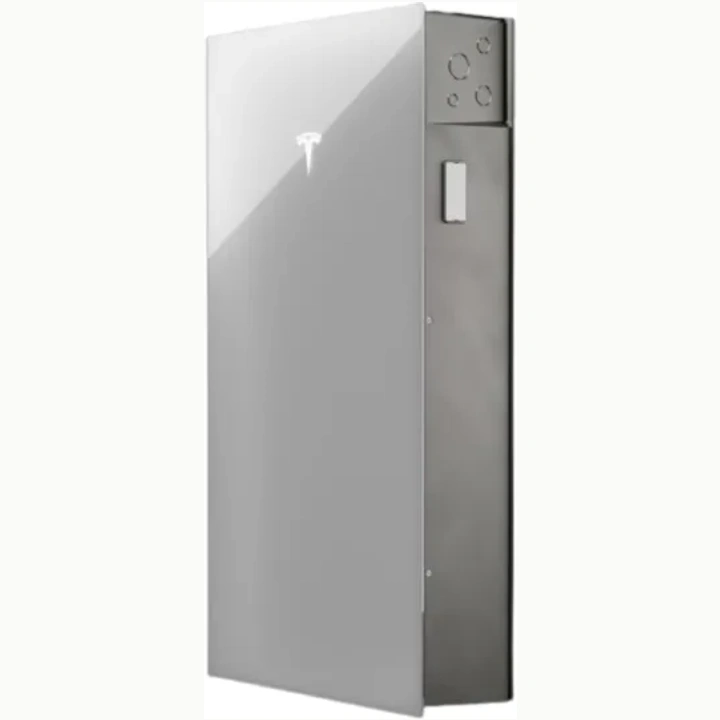
Tesla
Powerwall 3
Big power, big name
- Usable capacity
- 13.5 kWh
- Warranty
- 10 yrs
- Indicative price
- $19,000
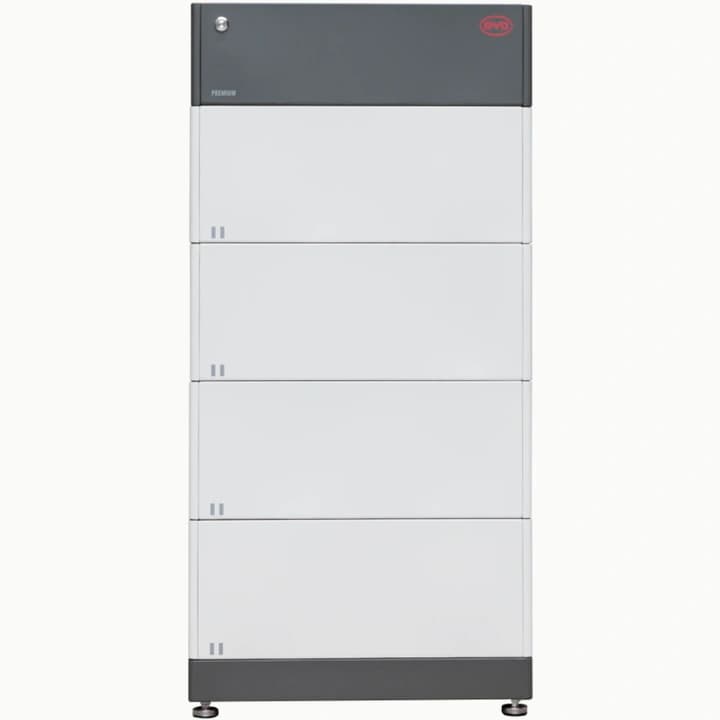
BYD
HVM 8.3
Punchy modular
- Usable capacity
- 8.28 kWh
- Warranty
- 10 yrs
- Indicative price
- $9,500
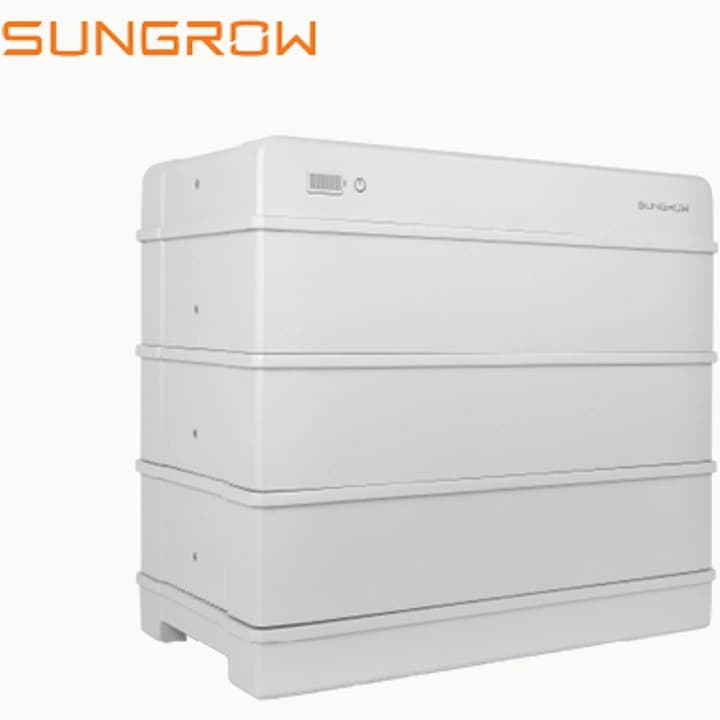
Sungrow
SBR HV 9.6
Quiet achiever
- Usable capacity
- 9.6 kWh
- Warranty
- 10 yrs
- Indicative price
- $11,500
Get matched with vetted installers, free, takes about two minutes. And the one line to walk away with: do not buy a battery to chase a headline export rate. On every plan we could verify in this country, the unit you keep is worth more than the unit you sell.
Where we've corrected this page
Battery pricing is the softest ground in this piece: New Zealand data is thin, so our $1,250 per usable kWh leans on a 2024 survey and an indicative Powerwall range. If you have firmer local numbers, or a retailer rate we have read wrong, tell us and we will fix it and re-date the page.
Every rate and figure here was read on 14 July 2026 from the source linked below. We publish ranges where the data is disputed and correct in the open. We would rather be corrected than be wrong.
Keep reading

Sources
Regulator and government
- New ways to power electricity consumers, decision papers, Electricity Authority
- Task Force Package Two guidance resources now available, Electricity Authority
- Understanding the value of residential solar PV and storage in New Zealand, EECA
- Solar PV generation data and performance, Appendix Seven (PDF), EECA. The monthly capacity factors behind our generation model.
- General election to be held on 7 November, Beehive
Retailer pages and rate data, all read on 14 July 2026
- Good Charge plan and Solar, Contact Energy
- Solar and battery plans, OctopusPeaker and Project Mercury, Octopus Energy NZ
- Solar buy-back rates and Virtual power plants, Meridian Energy
- Solar, Electric Kiwi
- Solar, Ecotricity
- Solar buy-back and Flex Rates, Mercury
- Solar rates comparison, normalised excluding GST, updated June 2026, Powerswitch (Consumer NZ)
- Solar power plans and Average electricity costs per kWh, Canstar NZ, the latter quoting MBIE's Quarterly Survey of Domestic Electricity Prices to 15 February 2026
Cost, market and policy
- Will you get a solar rebate from your power company?, RNZ
- Large energy companies will have to offer a pricing plan that gives consumers cheaper rates, interest.co.nz
- The new solar export rebate is real, here's why it won't change much, My Solar Quotes
- My Solar Quotes charts costs of solar and batteries in New Zealand, Rewiring Aotearoa
- Powerwall 3 datasheet (PDF), Tesla
- Tesla Powerwall 3 review, Clean Energy Reviews
- Cheaper Home Batteries Program, Clean Energy Regulator (Australia)
- SolarSaver, New Zealand Labour Party
- Labour reveals solar power policy with $3000 kickstart subsidies, Stuff
All sources fetched 14 July 2026. Retailer rates change without much notice. Check the retailer's own page before you sign anything.
Key Points
- The best peak export rate published anywhere is Contact's 25c, paid on weekday mornings and evenings, with Meridian's 24c winter peak next. You buy that same unit back for about 33c, so a stored unit is worth more used than sold.
- That new 1 April 2026 peak rebate from your lines company is real, but small: about $36 to $74 a year, under 2%.
- On our central case a 10 kWh battery hands back about $641 a year and takes roughly 19.5 years to pay for itself. The warranty runs 10.
- Using your own power beats exporting it on every plan we checked. A battery earns its keep on the gap between the export rate and the rate you pay to import.
- EECA ran the same maths on almost 50,000 homes and found the panels pay while storage stays too dear for many households.



lights on
Related guides
View all
Solar Panel Costs NZ: What You'll Actually Pay in 2026
Real pricing data for NZ solar in 2026. System costs by size, what affects price, and how to tell if a quote is fair.
Read
Best Solar Buy-Back Rates NZ: 13 Retailers Compared (2026)
Compare solar buy-back rates across 13 NZ power companies. Octopus, Meridian, Mercury, Genesis, Contact, Power Edge and more.
Read
Best Solar Installers NZ (2026)
How to find a quality solar installer in NZ. What to look for, red flags to avoid, and when SEANZ membership matters for your bank loan.
Read
How to Get Solar Quotes in NZ (and Compare Them Properly)
How to get solar quotes in NZ: EECA's 2-3 quote rule, where to get them, what to have ready, comparing $/W like-for-like, and the red flags in the quoting process.
Read
10kW Solar System NZ: Price, Output and Is It Too Big? (2026)
10kW solar systems in NZ: $15,000-18,000 installed, 13,000-14,300 kWh a year, 22-24 panels, the 40m² engineering rule, export limits, and when 6.6kW beats it.
Read
Solar Hot Water NZ: What It Costs and Whether It's Worth It
Solar hot water in NZ: thermal systems run $7,000-9,000 installed and cover 50-75% of your hot water. Why most homes now do it with PV and a diverter or a heat pump cylinder instead.
Read
Join the conversation
The best comments are honest ones: Real experience. Share yours, please stay civil and on topic. No self-promo links.
Your email is never shown or shared. To change or remove a comment later, .
No comments yet. What is your experience with this? Be the first to weigh in.