
Tesla Powerwall 3 NZ: The Honest Review
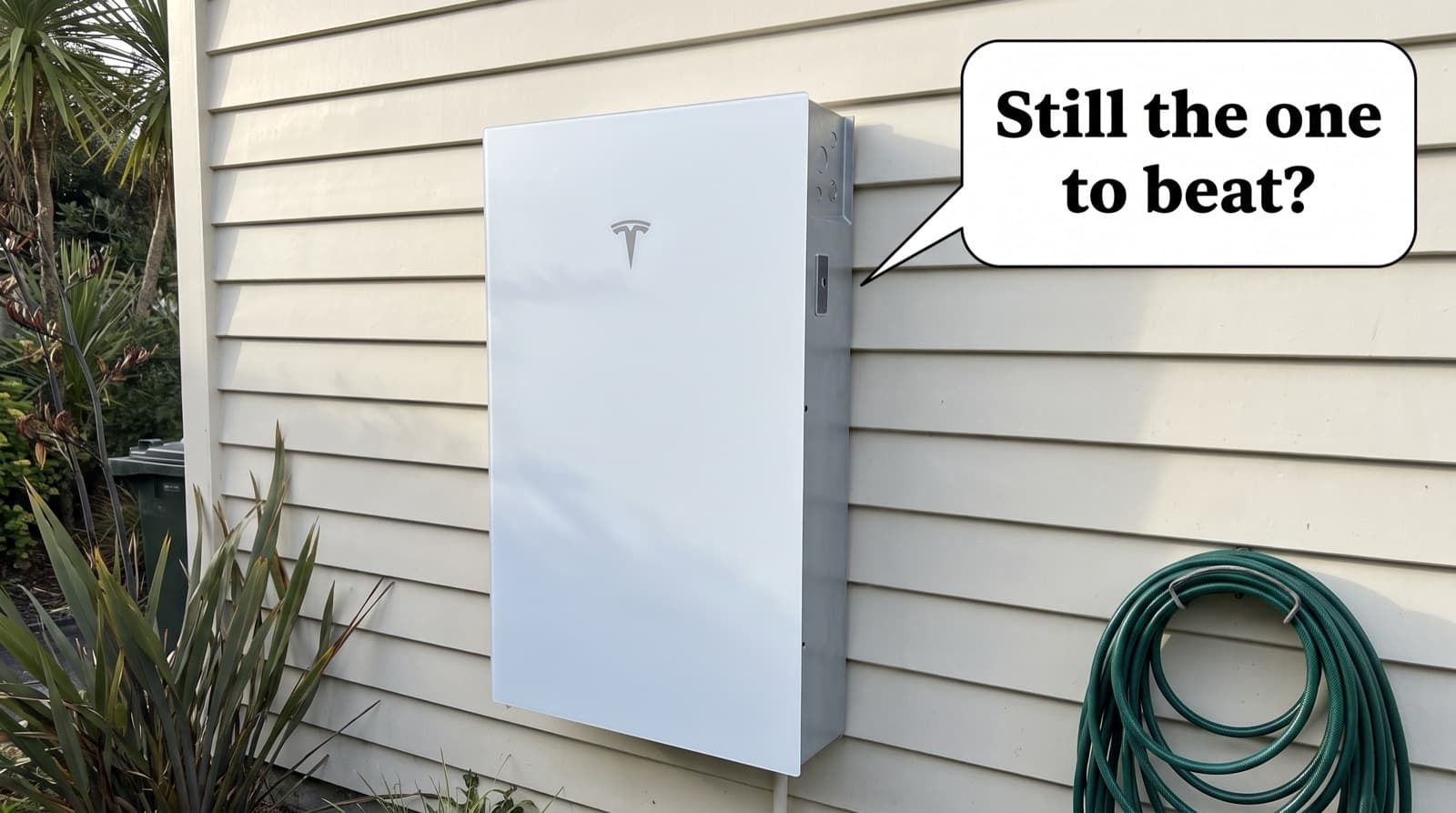

The Powerwall 3 is the battery every other battery gets measured against. It has the biggest install base in the country, it appears on more NZ solar quotes than anything else, and when a competitor launches a product, the spec sheet compares it to this one. That status is earned, and it also means most of what you read about it is written by someone selling it.
We do not sell batteries. This review covers what the Powerwall 3 actually is, the specs that matter, what it genuinely costs installed in NZ, the situations where it is the wrong answer, and the questions to ask before signing a quote with one on it.
Key Takeaways
- A Tesla Powerwall 3 costs $19,000 to $24,000 fully installed in NZ in 2026, not including solar panels, or about $15,600 supply-only including the required Backup Gateway 2.
- It stores 13.5 kWh and delivers 11.5 kW of continuous power, enough to run an oven, a heat pump and the hot water cylinder at the same time.
- A full solar inverter is built in, with six solar inputs that handle up to 20 kW of panels, so one unit runs the panels, the storage and the backup.
- The Powerwall 3 sold in NZ is single-phase only and cannot run off-grid. It needs a grid connection to operate.
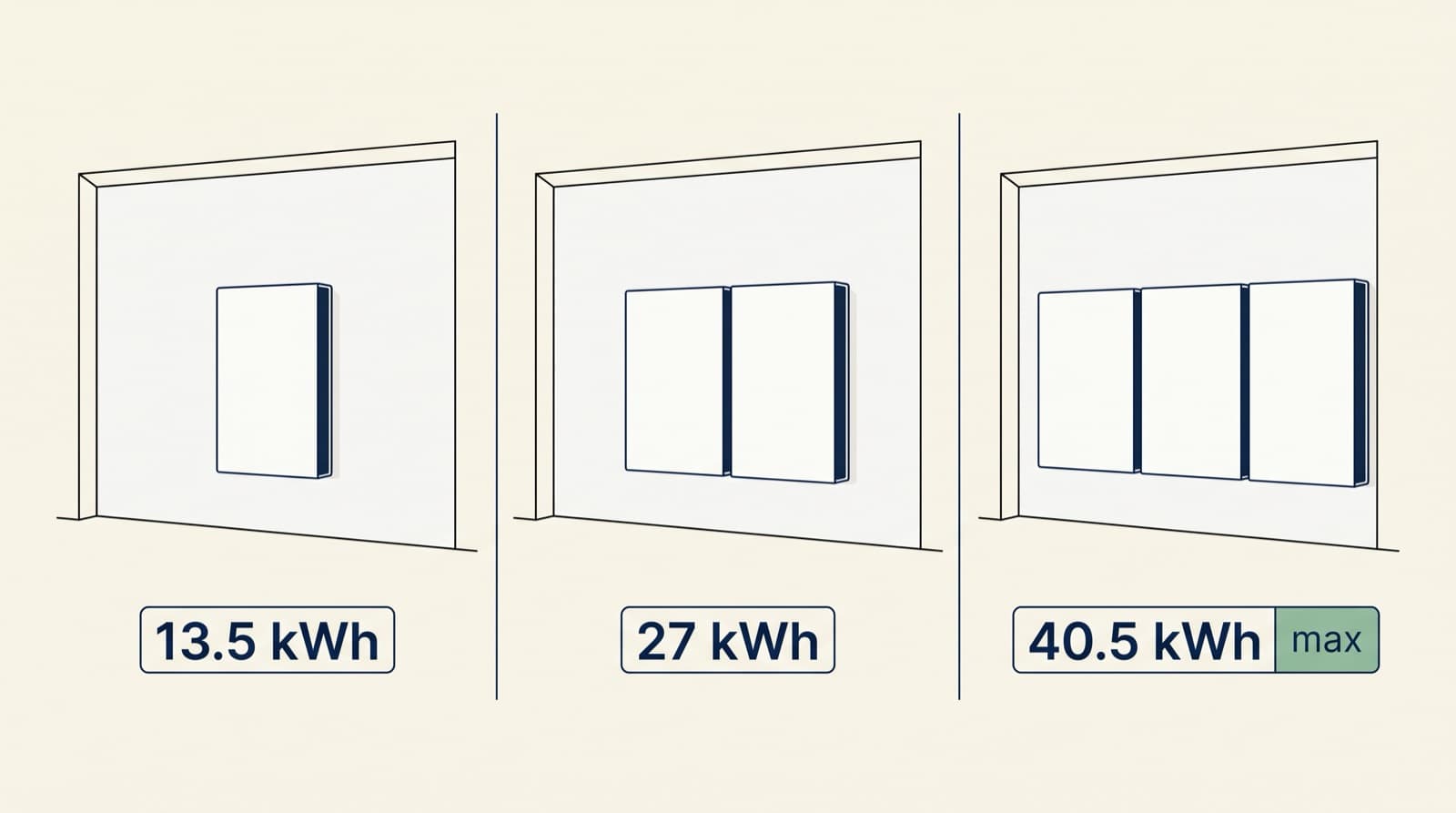
- Capacity comes in 13.5 kWh blocks, expandable to 40.5 kWh. There is no smaller Powerwall, which matters if your evening usage is low.
What the Powerwall 3 Actually Is
Most home batteries are just batteries: they store energy, and a separate solar inverter does the converting. The Powerwall 3 is different, and the difference explains most of its price tag. It folds a full solar inverter into the battery cabinet, with six separate solar inputs that can handle up to 20 kW of panels across different roof faces.
That changed the product completely from the Powerwall 2, which was a battery-only unit that needed a separate inverter for the solar. With the 3, one box on the wall runs the panels, stores the energy, and backs up the house. For a new solar install that is genuinely simpler: one install, one warranty, one app.
The other headline is raw power. The Powerwall 3 delivers 11.5 kW continuously, which is enough to run an oven, a heat pump and the hot water cylinder at the same time. Most competing batteries deliver 4 to 6 kW per module, so an evening peak that a Powerwall shrugs at forces a modular system to draw the difference from the grid.
The Powerwall 3 is not really a battery with an inverter attached. It is a complete solar power plant in one cabinet, and that is the right way to compare it against anything else on your quote.
The Specs That Matter
The numbers below are from Tesla's published specifications. The ones that decide real purchases are capacity, continuous power, phase support, and what the built-in inverter means for your quote.
Two of those rows do most of the deciding. Single-phase support rules the unit out for three-phase homes entirely. And the 13.5 kWh capacity is fixed: you cannot buy half a Powerwall, and growing later means adding a whole 13.5 kWh expansion pack, up to two of them for 40.5 kWh total. The expansion packs share the main unit's inverter, so they are storage only.
Want to compare
quotes?
Get matched with vetted local installers and see real quotes for your home. It’s free, with no obligation.
Compare up to 3 quotesWhat It Costs in NZ
The numbers we can verify: the Powerwall 3 runs about $15,600 supply-only, including the required Backup Gateway 2, and $19,000 to $24,000 fully installed in 2026. The wide installed range is not padding: it reflects switchboard work, backup configuration, and how much of the install is new solar versus adding a battery to an existing system.
When you compare that against other batteries, compare the whole job, not the box. The Powerwall's price includes a full solar inverter; a cheaper battery-only unit still needs an inverter somewhere, either the hybrid one on your quote or the one already on your wall. Quotes that mix supply-only prices with installed prices are the fastest route to a wrong decision.
For where that price sits against the whole NZ market, our solar battery storage guide covers the full pricing picture, and the battery comparison tool puts the Powerwall 3's specs side by side with 26 other batteries sold here.
Powerwall 3 vs the Field
The short version: the Powerwall 3 wins on continuous power, simplicity and install base. The field wins on entry price, modular sizing, three-phase support and off-grid capability. Which of those matters depends on your house, not on the brands.
- Choose the Powerwall shapeif you are on single-phase power, installing new solar, and want maximum power delivery from one box with the country's biggest install base behind it.
- Look at modular stacks if you are on three-phase power, want to start smaller than 13.5 kWh, want off-grid capability, or want DC fast charging for an EV folded into the battery. Our Sigenergy SigenStor review covers the strongest of those.
- Look at cheaper battery-only units if entry price is the constraint and your inverter situation already works. Our Powerwall alternatives guide compares the full field with a decision matrix.
The Honest Watch-Outs
None of these are reasons to avoid the Powerwall 3. They are the five things the brochure does not lead with, and each one has a household it genuinely rules the product out for.
- Single phase only. The Powerwall 3 sold in NZ is a single-phase unit. If your home has three-phase power, common on larger rural properties and newer builds with big heat pumps or workshop loads, it is not the right fit, and several competitors handle three-phase natively. This is the first question to answer before you fall for the brand.
- It cannot take you off-grid. The Powerwall 3 is a grid-tied battery with backup capability, not an off-grid system. It needs a grid connection to operate. If genuine off-grid is the goal, you are shopping in a different category with different gear and different economics.
- Capacity comes in 13.5 kWh blocks. There is no small Powerwall. You buy 13.5 kWh or nothing, and expansion is another 13.5 kWh block at a time. Modular competitors let you start near 8 kWh and grow in smaller steps, which can be a better match for a lower evening usage pattern and a tighter budget.
- The built-in inverter cuts both ways. On a new solar install, the integrated inverter is the whole point: one box, one install, one warranty. On a retrofit where your existing solar and inverter are working fine, you are paying for an inverter you may not need. Ask the installer exactly how it would pair with your existing system, and get the configuration in writing before comparing prices.
- The warranty headline is not the whole schedule. Ten years is the headline. The capacity-retention guarantee and the terms for the Gateway and accessories sit in the warranty document, not the brochure. Ask for the full NZ warranty schedule in writing and read the retention clause before you compare it against competitors' schedules.
Want to compare
quotes?
Get matched with vetted local installers and see real quotes for your home. It’s free, with no obligation.
Compare up to 3 quotesBlackout Backup
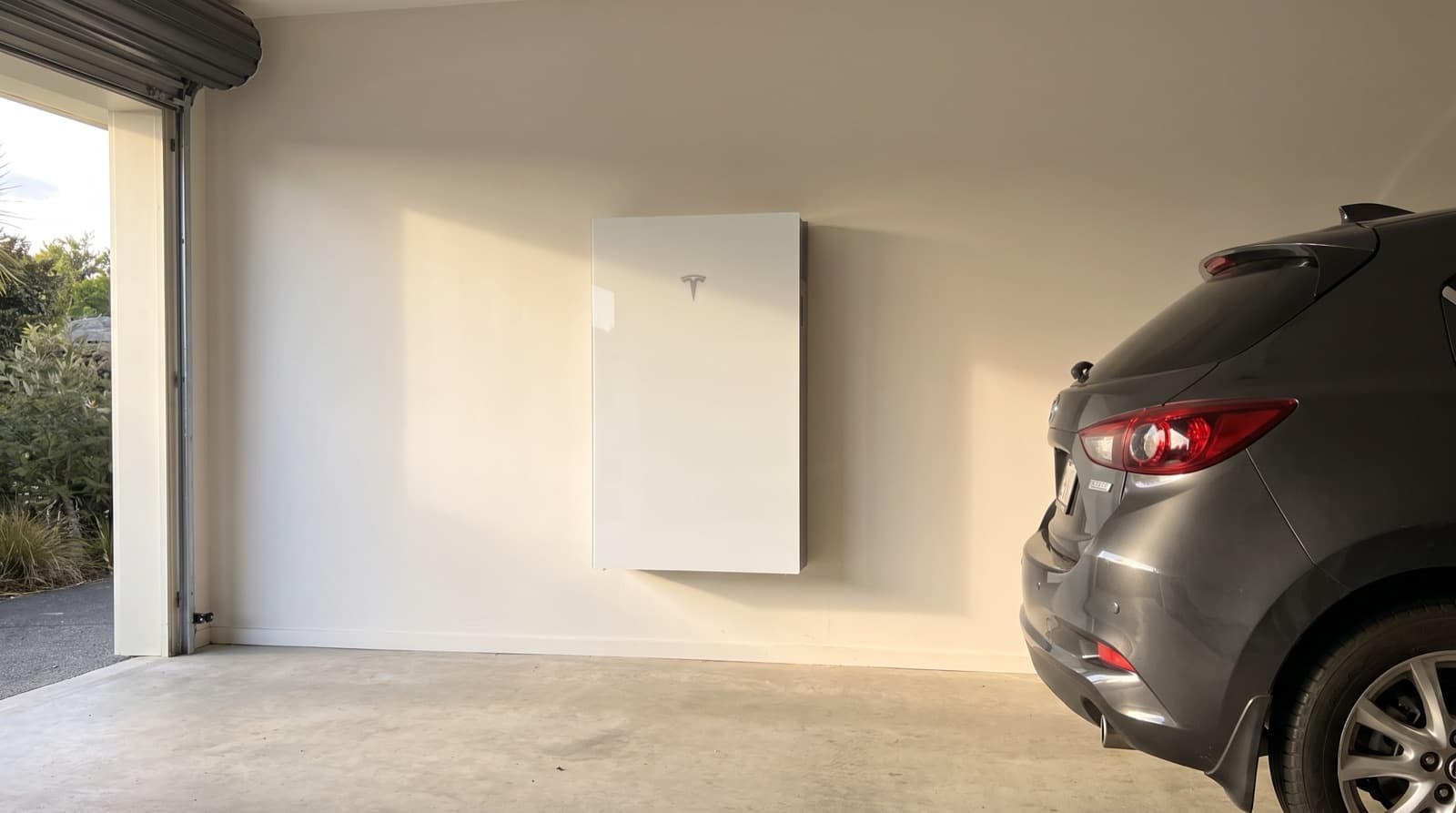
With the Backup Gateway 2 installed, the Powerwall 3 backs up the whole house: when the grid drops, it disconnects from the street and keeps running your circuits. The 11.5 kW of continuous power is the point of difference here, because it means backup mode runs the house more or less normally rather than rationing you to the essentials.
How long it lasts is arithmetic. Most NZ homes use 6 to 10 kWh between 5pm and 7am in summer and 12 to 18 kWh in winter, so a full 13.5 kWh unit covers a summer night comfortably and most of a winter evening, longer if the sun is up and the panels are feeding the house through the outage. The Tesla app also includes a storm-watch feature that charges the battery to full ahead of forecast severe weather.
Buying One in NZ
Powerwalls are installed by Tesla-certified installers, and most of the established solar companies in NZ hold that certification. The installer designs the system, handles the distributed generation paperwork with your lines company, and configures the backup circuits, which is where the installed-price range comes from.
Three questions sort a good Powerwall quote from a lazy one: is my home single-phase, and if not, what are you proposing instead; what exactly is included in the installed price, switchboard work and backup configuration included; and what does the full warranty schedule say about capacity retention. A good installer answers all three without blinking.
The right way to buy any battery is to compare quotes for your actual house and usage, not to pick a brand first. A Powerwall quote next to a SigenStor quote and a BYD quote tells you more than any review can.
Common Questions
How much does a Tesla Powerwall 3 cost in NZ?
About $15,600 supply-only, including the required Backup Gateway 2, and $19,000 to $24,000 fully installed in 2026. The installed range reflects switchboard work, backup configuration, and whether the battery is going in with new solar or onto an existing system. Remember the price includes a full solar inverter, so compare it against battery packages that include one, not against bare battery boxes.
Is the Powerwall 3 worth it in NZ?
It depends on your evening usage and your power plan, not on the hardware. A battery earns its keep by storing cheap or free daytime energy and spending it at peak rates, so the value case rises with high evening usage and a big gap between your day and peak rates. At $19,000 to $24,000 installed it is a long payback for light users. Our solar battery storage guide works through the honest maths before any brand enters the conversation.
How long will a Powerwall 3 power my house in a blackout?
Most NZ homes use 6 to 10 kWh between 5pm and 7am in summer and 12 to 18 kWh in winter, so a full 13.5 kWh unit covers a summer night comfortably and most of a winter evening. If the outage runs into daylight, the panels recharge the battery through the built-in inverter and the clock resets. The 11.5 kW of continuous power means you are running the house normally in the meantime, not rationing circuits.
What changed from Powerwall 2 to Powerwall 3?
The inverter moved inside. The Powerwall 2 stored energy but needed a separate solar inverter; the Powerwall 3 has a full solar inverter built in, with six solar inputs handling up to 20 kW of panels, plus much higher continuous power output. That makes the 3 a complete solar system in one cabinet rather than an add-on battery, which is also why it suits new installs better than retrofits.
Does the Powerwall 3 work on three-phase power?
The Powerwall 3 sold in NZ is single-phase only. If your home has three-phase power, common on larger rural properties and newer builds with big heat pumps or workshop loads, you should be comparing batteries that support three-phase natively, such as the Sigenergy SigenStor. This is the first question to settle, because it rules the Powerwall in or out before price enters the picture.
Can a Powerwall 3 take my house off-grid?
No. The Powerwall 3 is a grid-tied battery with whole-home backup, and it requires a grid connection to operate. It will run the house through an outage, but it is not designed for permanent off-grid living. If that is the actual goal, our off-grid solar guide covers the very different equipment and economics involved.
Can I add more storage to a Powerwall 3 later?
Yes, in whole-unit steps. Up to two 13.5 kWh expansion packs can be added to a Powerwall 3 for a maximum of 40.5 kWh. The expansion packs are storage only and share the main unit's inverter. What you cannot do is start smaller than 13.5 kWh, which is where modular competitors that grow in roughly 8 kWh steps have the edge for lighter users.
Do I need a separate solar inverter with a Powerwall 3?
No, and that is the product's defining feature. The built-in inverter has six separate solar inputs and handles up to 20 kW of panels, which covers multi-face roofs without extra hardware. The flip side: on a retrofit where your existing inverter works fine, you are buying capability you already own, so ask the installer exactly how the configuration would work before comparing prices.
Who installs the Tesla Powerwall 3 in NZ?
Tesla-certified solar installers, which includes most of the established solar companies operating in NZ. The installer handles system design, the distributed generation paperwork with your lines company, and the backup circuit configuration. Because the installed price varies $5,000 across quotes for the same hardware, comparing two or three certified installers against each other is worth more here than with almost any other battery.
What is Storm Watch on the Powerwall?
A feature in the Tesla app that watches severe weather forecasts for your area and charges the battery to full before the front arrives, so you ride into a likely outage with maximum storage. It works automatically once enabled. It is a genuinely useful touch in outage-prone parts of the country, and the kind of software polish the big install base pays for.
Next steps for your solar journey
Related guides
View all
Solar Battery Storage NZ: Costs, Brands, and Is It Worth It?
Solar battery prices in NZ: Tesla Powerwall, BYD, Enphase compared. When batteries make sense and when you're better off without one.
Read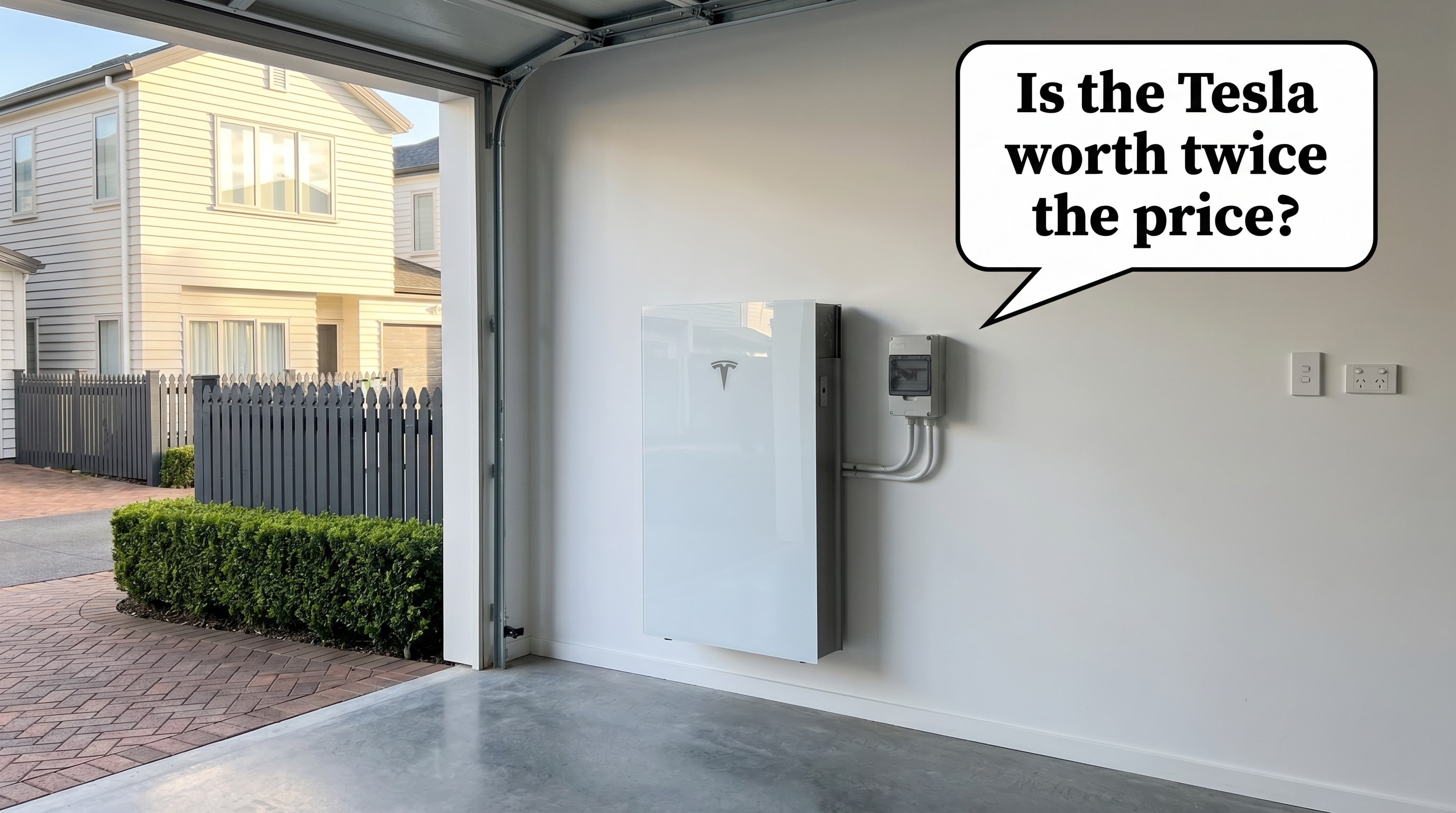
Best Tesla Powerwall Alternatives NZ: BYD and Enphase Compared (2026)
The best Tesla Powerwall 3 alternatives in NZ. BYD, Sungrow, and Enphase compared on price, $/kWh, inverter compatibility, and warranty. The honest decision matrix.
Read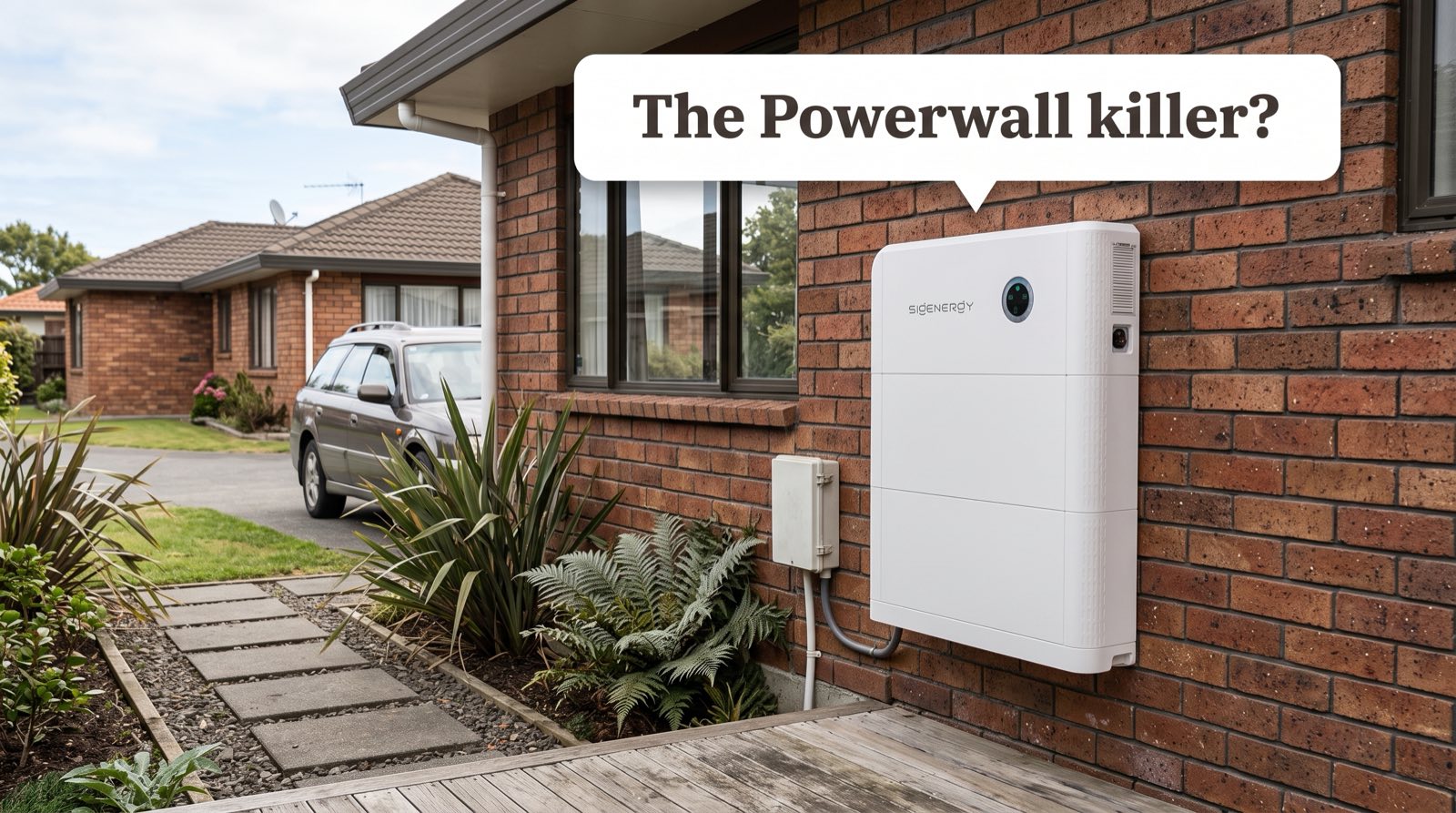
Sigenergy SigenStor NZ: The Honest Review
Sigenergy SigenStor review for NZ: 7.8kWh stackable modules, 98.3% efficiency, ~$9,124 supply-only pricing, the Powerwall 3 comparison, and the reported issues the brochures leave out.
Read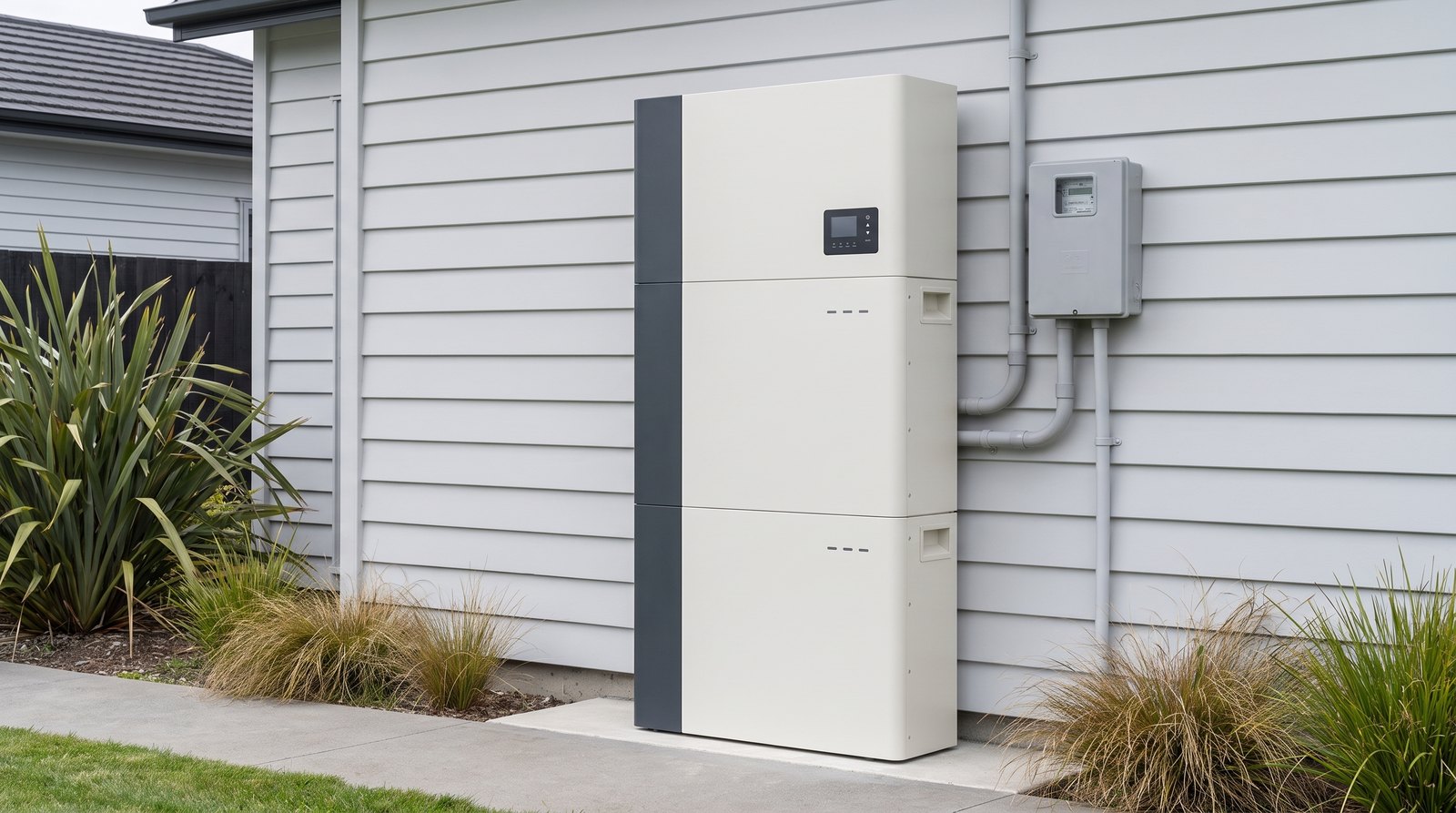
AlphaESS NZ: What the S8 and T20 Actually Give You
AlphaESS review for NZ: the 8 kW S8 and 20 kW T20 hybrid systems, 9.3 kWh usable modules, backup that actually works, and what to check before you sign.
Read
Best Solar Buy-Back Rates NZ: 13 Retailers Compared (2026)
Compare solar buy-back rates across 13 NZ power companies. Octopus, Meridian, Mercury, Genesis, Contact, Power Edge and more.
Read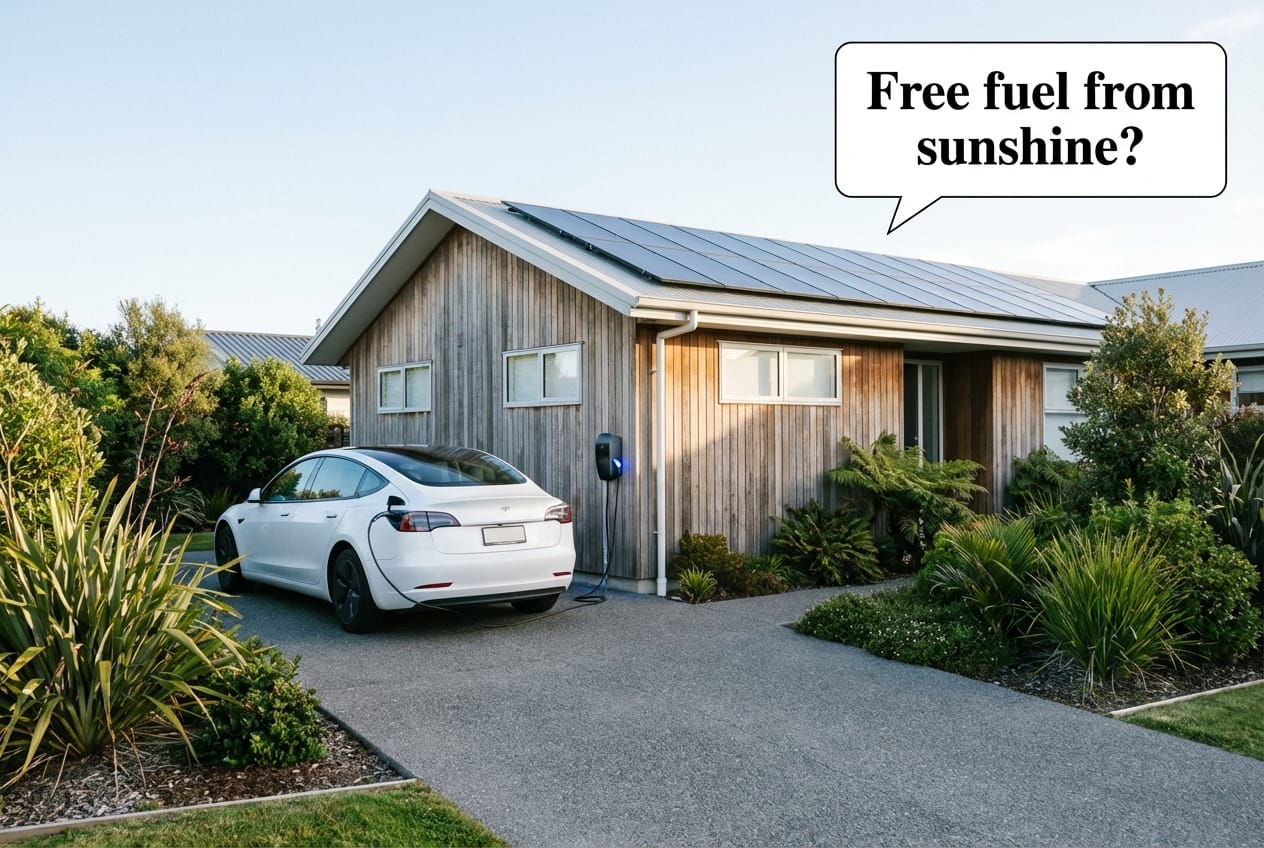
Solar Panels and EV Charging in NZ: The Complete Setup
How to charge your EV with solar in NZ. Smart charger options, how much solar you need, and the real cost per kilometre.
Read
Join the conversation
The best comments are honest ones: Real experience. Share yours, please stay civil and on topic. No self-promo links.
Your email is never shown or shared. To change or remove a comment later, .
No comments yet. What is your experience with this? Be the first to weigh in.