
10kW Solar Systems in NZ: Price, Output and Is It Too Big?
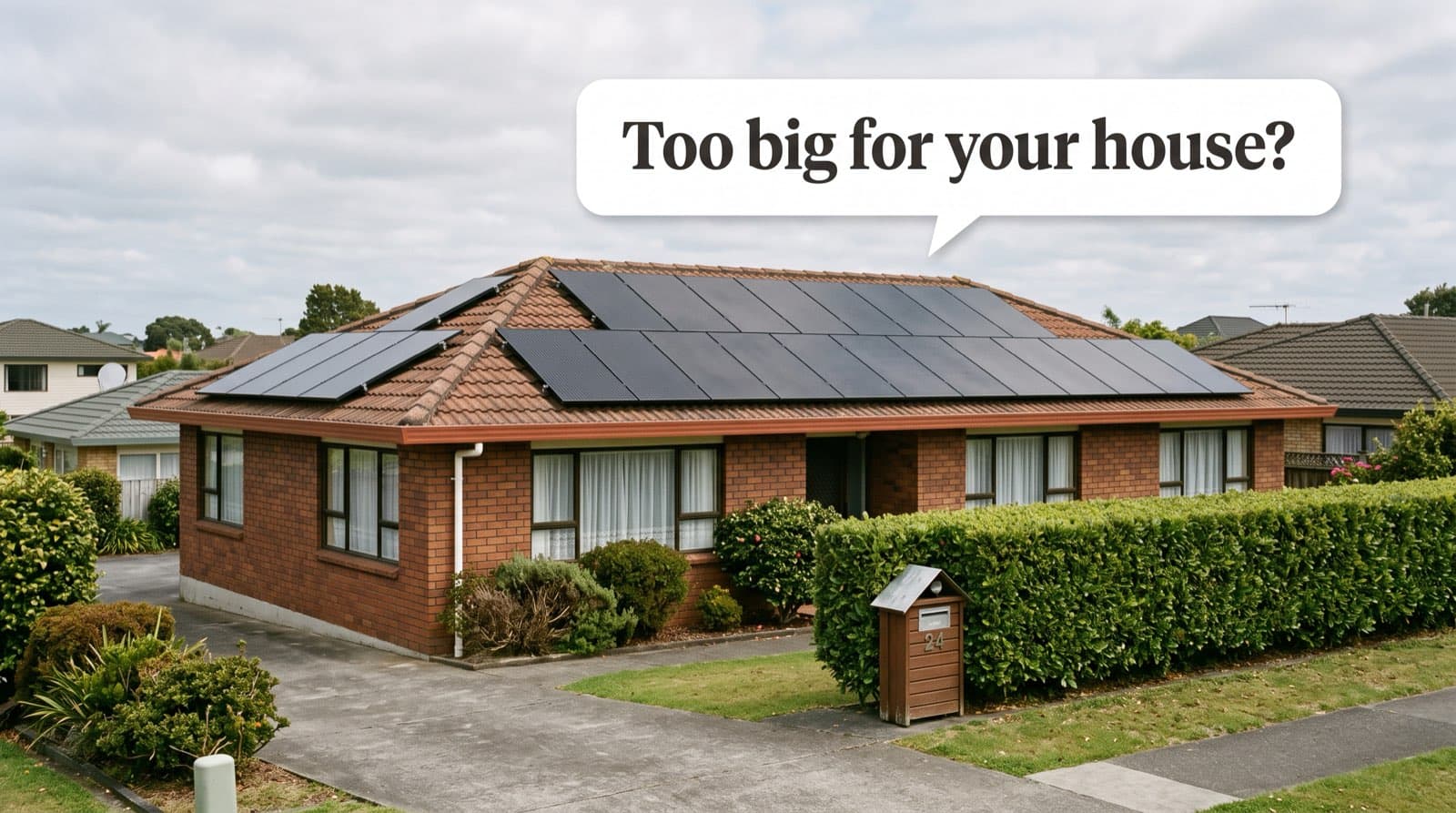

10 kW is where solar quotes get interesting. It is the size installers love to quote, because the jump from 8 kW is often just a few more panels on the same inverter, and the price barely moves. It is also the size most likely to be bigger than your house actually needs.
This guide covers what a 10 kW system costs in NZ, what it really generates, the roof-space and consent implications nobody mentions, and the honest way to decide whether you want one or whether a 6.6 kW system and change in your pocket serves you better.
Key Takeaways
- A 10 kW solar system costs $15,000 to $18,000 fully installed in NZ, the same price band as an 8 kW system.
- A 10 kW system generates roughly 13,000 to 14,300 kWh a year in the main centres. A typical NZ household uses around 8,000 kWh.
- It needs 25 to 30 panels and about 43 to 51 square metres of roof, which usually means using more than one roof plane.
- Arrays over 40 square metres need a Chartered Professional Engineer to design or review the installation, and a 10 kW array usually crosses that line.
- 10 kW pays off with an EV, big daytime loads or a battery. Without one of those, a 6.6 kW system at $14,000 to $15,000 usually pays back faster.
Is 10 kW Too Big for Your House?
Here is the maths that matters. A 10 kW system in the main centres generates roughly 13,000 to 14,300 kWh a year. A typical NZ household uses around 8,000 kWh a year. Unless your usage is well above typical, most of what a 10 kW system makes will be exported, and exported power earns a buy-back rate that is far below what you pay to buy power in. Solar pays fastest when you use it yourself.
10 kW makes sense when at least one of these is true:
- An EV is in the driveway or in the plan. Charging from your roof soaks up the surplus better than anything else you own.
- Big daytime loads. Heat pumps running all day, a pool or spa pump, a home office or two, teenagers.
- A battery is part of the design. Storage turns surplus daytime generation into evening self-consumption.
- Three-phase or rural property with workshop loads that a 6.6 kW system cannot dent.
If none of those apply, a 6.6 kW system usually pays back faster even though the 10 kW headline looks like better value. Our sizing guide shows how to read your own power bill and get the answer for your house rather than the installer's.
Installers quote 10 kW because it is easy to sell on price per watt. The right question is not what a watt costs. It is how many of those watts you will actually use.
What a 10 kW System Costs
A 10 kW solar system in NZ costs $15,000 to $18,000 fully installed, including GST, panels, inverter, mounting, wiring and labour. That is the same price band as an 8 kW system, because the step up is usually a couple more panels on the same hardware rather than a bigger inverter.
That overlap is why 10 kW is the best value size per watt on the market: at $15,000 to $18,000 installed you are paying roughly $1.50 to $1.80 per watt, against about $2.10 to $2.30 for the popular 6.6 kW size. Cheap watts are only a bargain if you use them, which is the whole point of the section above.
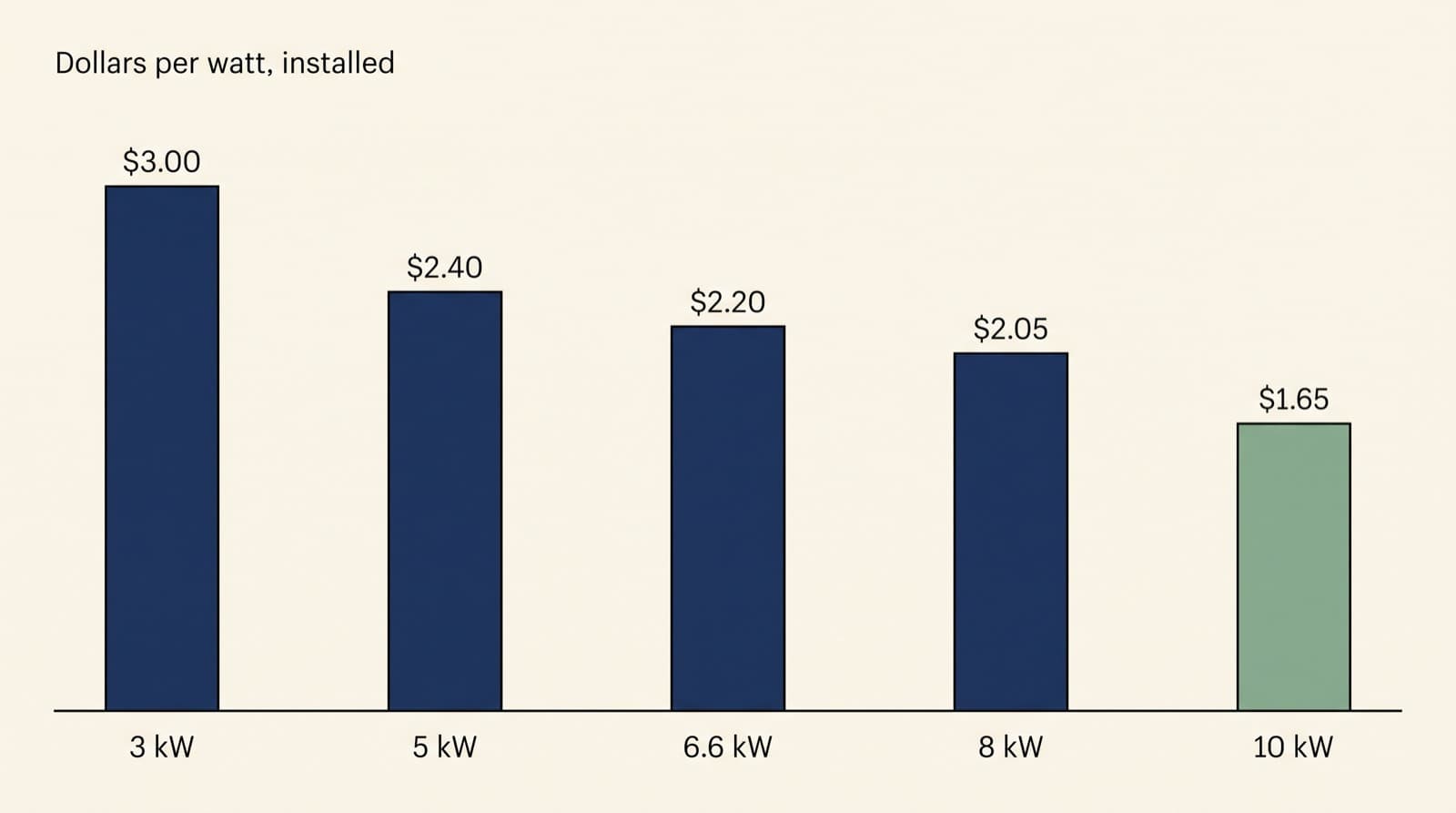
For what a fair quote includes at any size, and the price-per-watt benchmarks to judge one against, see our full NZ solar pricing guide.
Want to compare
quotes?
Get matched with vetted local installers and see real quotes for your home. It’s free, with no obligation.
Compare up to 3 quotesWhat It Actually Generates
In the main centres, a well-oriented, unshaded 10 kW system generates roughly 13,000 to 14,300 kWh a year: scale the numbers our region pages publish for a 6.6 kW system up by half again. Christchurch and the sunnier regions sit at the top of that range, Auckland in the middle, and the far south below it.
Two honest caveats. Output is seasonal, with winter months producing a fraction of January's generation, so do not plan around the annual figure divided by 365. And orientation matters more at this size: a 10 kW array often spills onto east and west roof planes, which generate less than north-facing panels. Our region-by-region output guide has the local numbers.
Roof Space and the 40 m² Rule
A 10 kW system needs 25 to 30 panels, each roughly 1.7 m by 1 m. That is about 43 to 51 square metres of roof, which most single-storey NZ homes only have by using more than one roof plane.
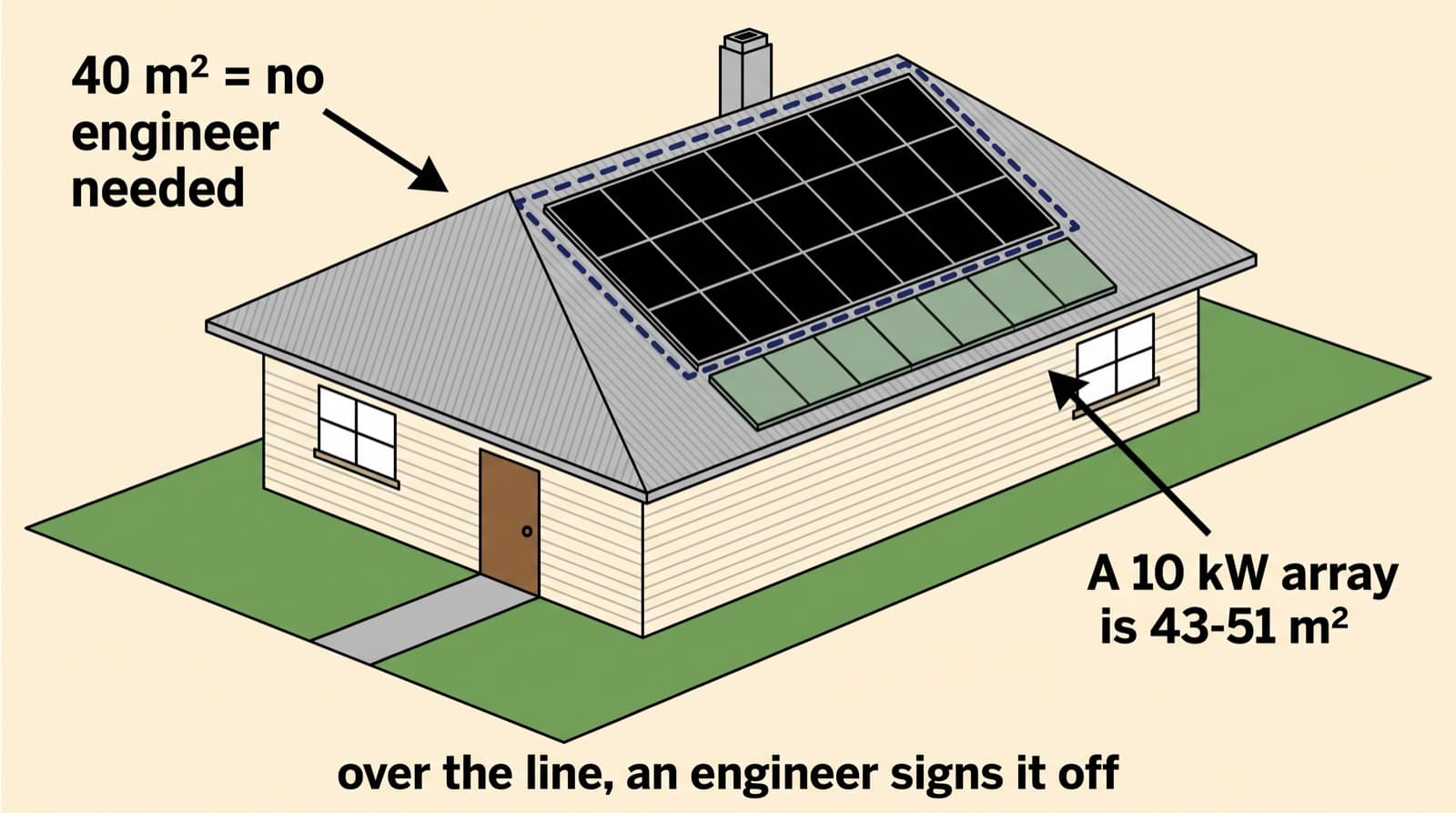
It also crosses a line almost nobody mentions in a sales quote. Since October 2025, solar arrays under 40 square metres in standard wind zones need no building consent and no engineer. A 10 kW array usually exceeds 40 square metres, which means it stays consent-free only if a Chartered Professional Engineer designs or reviews the installation. A good installer builds that into the process and the price; a cheap quote may not have noticed. Ask directly: who is doing the engineering sign-off on this array?
The full consent rules, and every other step between quote and switch-on, are in our solar panel installation guide.
Export Limits: The Catch
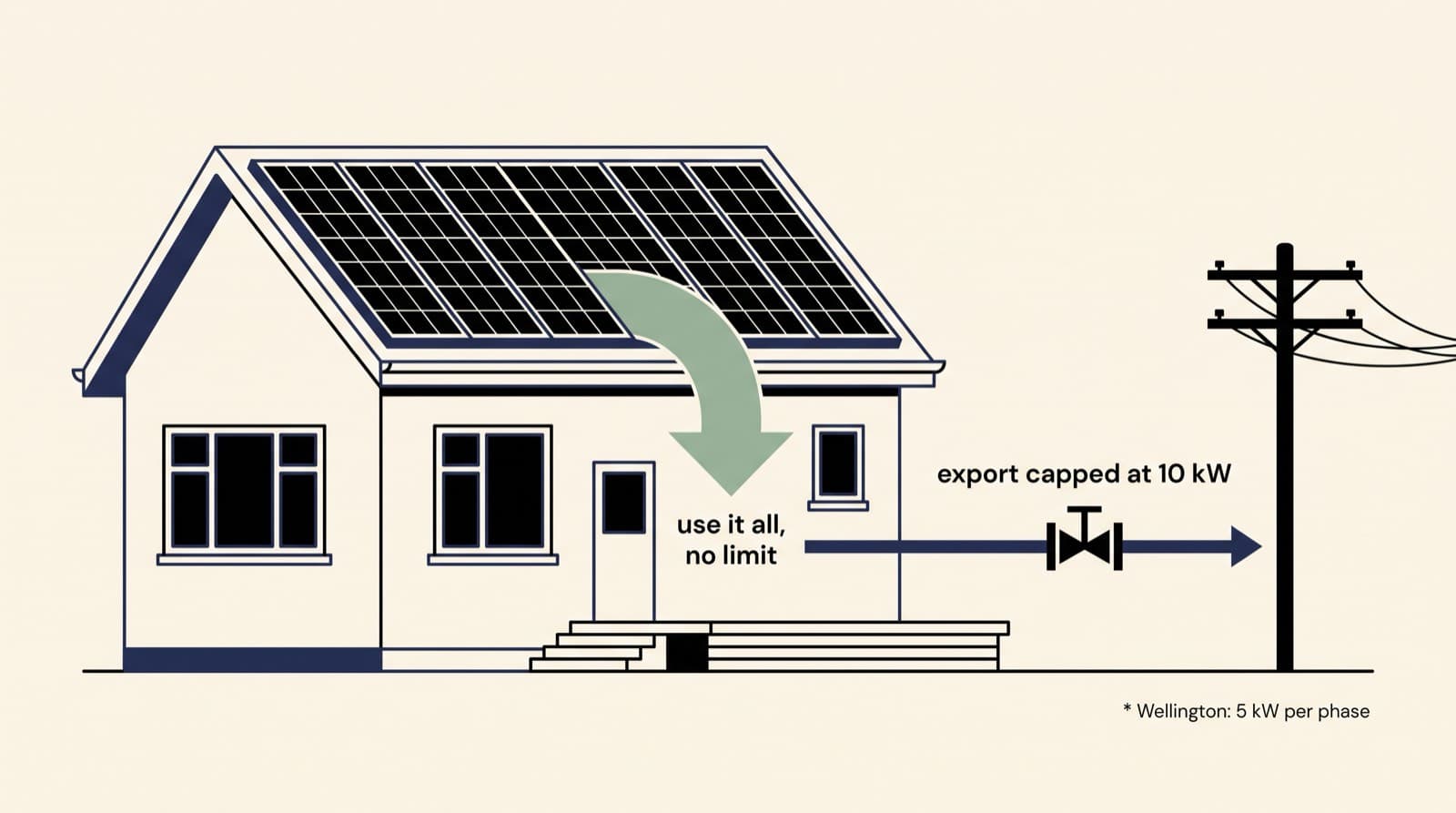
Your lines company caps how much power you can push back into the grid. Most NZ networks now default to 10 kW, which sounds like a perfect match, but the details bite at exactly this system size:
- Wellington Electricity still holds at 5 kW per phase. A 10 kW single-phase system in Wellington will have its export clipped, which changes the payback maths. Ask your installer how the design handles it.
- Some networks assess case by case rather than publishing a blanket figure, so your export allowance comes out of the distributed generation application, not off a website.
- An export limit is not a generation limit. Even where export is capped, the system still powers your house at full capacity; the cap only bounds what you sell. It hurts most for exactly the oversized, export-heavy systems this guide warns about.
Export limits and approval times for each network are in the installation guide's lines-company table, and our region pages cover the local networks in detail, including solar in Christchurch and Canterbury and solar in Wellington.
Want to compare
quotes?
Get matched with vetted local installers and see real quotes for your home. It’s free, with no obligation.
Compare up to 3 quotesPairing It With a Battery
A 10 kW system and a home battery solve each other's problems. The system's weakness is surplus export at low buy-back rates; a battery converts that surplus into evening self-consumption at full retail value. The battery's weakness is winter, when there is little surplus to store; a 10 kW array generates meaningfully more winter surplus than a 6.6 kW one.
It does not have to happen on day one. Choosing a hybrid inverter or a battery-ready design at install time keeps the retrofit simple later. Our battery storage guide covers sizing and costs, and the Sigenergy SigenStor review looks at the modular systems built for exactly this grow-over-time approach.
The cheapest way to find your right size is to make installers argue for theirs. Get quotes for both a 6.6 kW and a 10 kW design and ask each installer to justify the difference against your actual power bill.
Common Questions
How much is a 10kW solar system in NZ?
$15,000 to $18,000 fully installed, including GST, panels, inverter, mounting and labour. That is the same band as an 8 kW system, because the jump usually adds panels rather than hardware, and it works out to roughly $1.50 to $1.80 per watt, the best value per watt of the common residential sizes. Quotes far below that band usually mean something has been left out.
Is a 10kW solar system too big for a house?
For a typical NZ household using around 8,000 kWh a year, yes: a 10 kW system generates 13,000 kWh or more, so most of its output would be exported at low buy-back rates rather than used. It stops being too big when an EV, big daytime loads, or a battery can soak up the surplus. Size to your usage, not to the price per watt.
Is 10kW enough to run a house?
Comfortably, while the sun is up. 10 kW of panels will cover any normal household's daytime load with plenty to spare. What it cannot do is run your house at night: without a battery you still buy evening and overnight power from the grid like everyone else. Solar system size determines how much you generate, not whether the lights stay on after dark.
How many solar panels do I need for a 10kW system?
25 to 30 panels at today's typical panel wattages, each roughly 1.7 m by 1 m, needing about 43 to 51 square metres of roof. On most NZ homes that means using two or more roof planes, and the east or west planes generate less than the north-facing one, which is worth factoring into the output you expect.
Do I need building consent for a 10kW solar system?
Usually no consent, but usually yes to an engineer. Arrays under 40 square metres in standard wind zones are consent-exempt with no engineer required. A 10 kW array typically exceeds 40 square metres, so the exemption only holds if a Chartered Professional Engineer designs or reviews the installation. Confirm your installer has that sign-off in the price.
Can I go off-grid with a 10kW solar system?
The panels are the easy part; going off-grid is a battery and winter problem. You would need a large battery bank and backup generation to cover multi-day winter cloud, which is why whole-house off-grid setups cost $40,000 to $70,000 all up. For almost everyone, a 10 kW grid-tied system with or without a battery is the better deal. Our off-grid solar guide has the honest numbers.
What does a 10kW system generate per day?
As a yearly average, roughly 36 to 39 kWh a day in the main centres, but the average hides the shape: a clear January day can generate several times what a grey June day does. Plan summer surplus and winter shortfall rather than a flat daily number, and check your region's monthly profile on our output-by-region guide.
Will my lines company let me export 10kW?
Most NZ networks now default to a 10 kW export allowance, but not all: Wellington Electricity holds at 5 kW per phase, and some networks assess each connection case by case through the distributed generation application your installer files. An export cap does not limit what your panels generate for your own use, only what you can sell to the grid.
Should I get 8kW or 10kW?
If the quotes land in the same price band, which they usually do, and your roof has the space, 10 kW gives you more generation for near-identical money. The real decision is whether to be in this size class at all: if you have no EV, battery plan, or large daytime loads, a 6.6 kW system at $14,000 to $15,000 usually pays back faster than either.
Does a 10kW system need three-phase power?
No. Single-phase 10 kW systems are common, though your network's per-phase export limit then applies to the whole system, which matters in Wellington. On a three-phase home the inverter spreads generation across phases and export headroom is typically better. Your installer checks your supply as part of the site assessment.
Next steps for your solar journey
Related guides
View all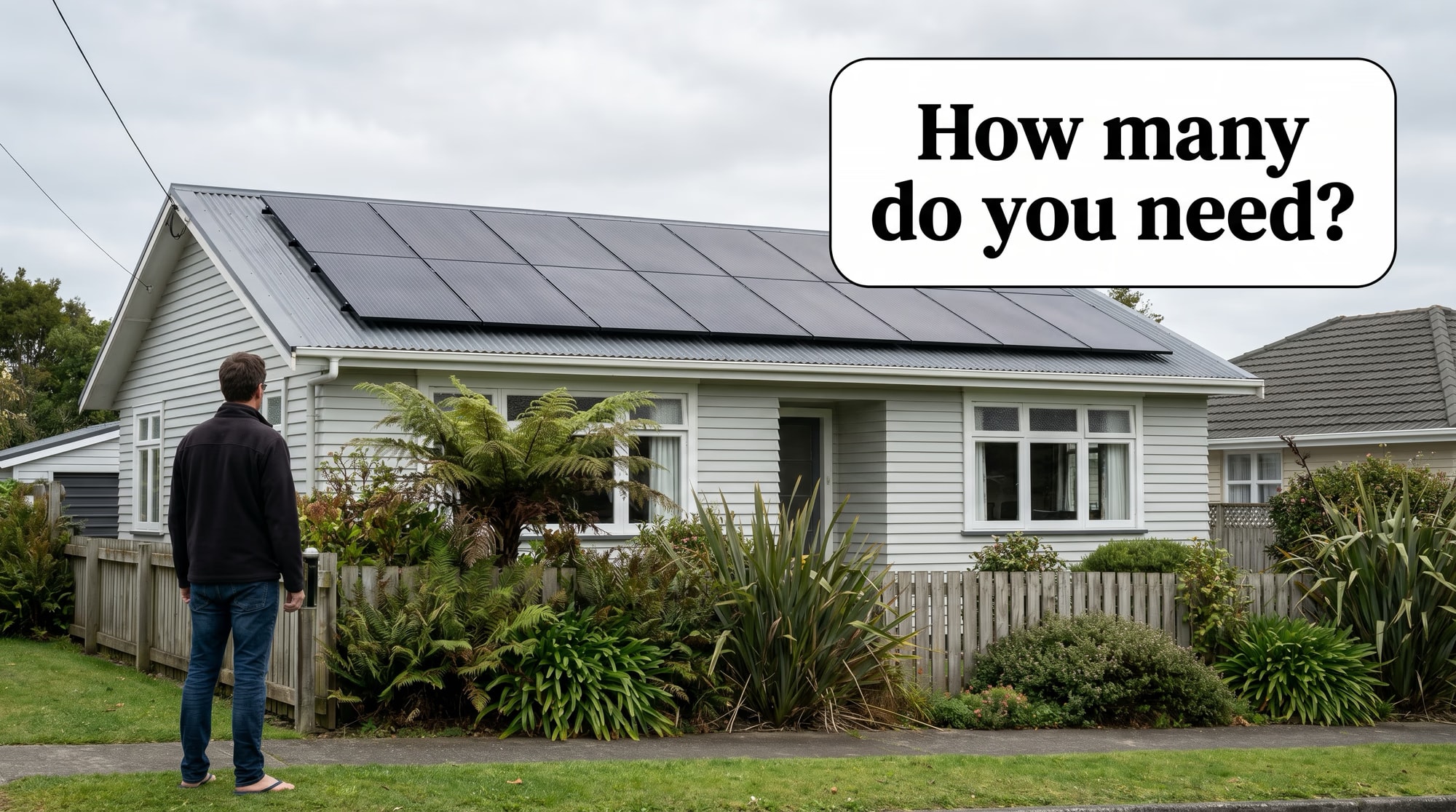
How Many Solar Panels Do I Need in NZ?
Work out how many solar panels your NZ home needs. Based on your power usage, roof space, and whether you're adding a battery or EV charger.
Read
Solar Panel Costs NZ: What You'll Actually Pay in 2026
Real pricing data for NZ solar in 2026. System costs by size, what affects price, and how to tell if a quote is fair.
Read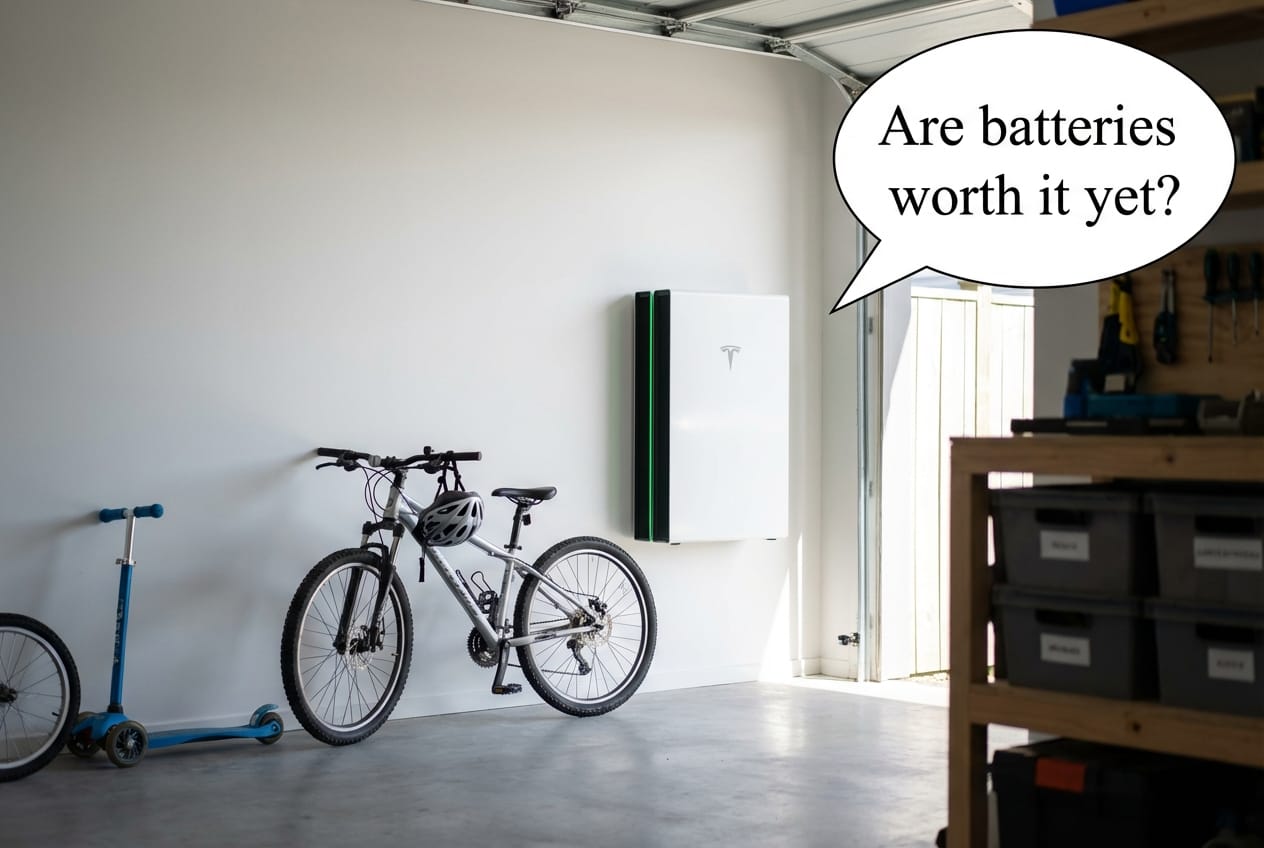
Solar Battery Storage NZ: Costs, Brands, and Is It Worth It?
Solar battery prices in NZ: Tesla Powerwall, BYD, Enphase compared. When batteries make sense and when you're better off without one.
Read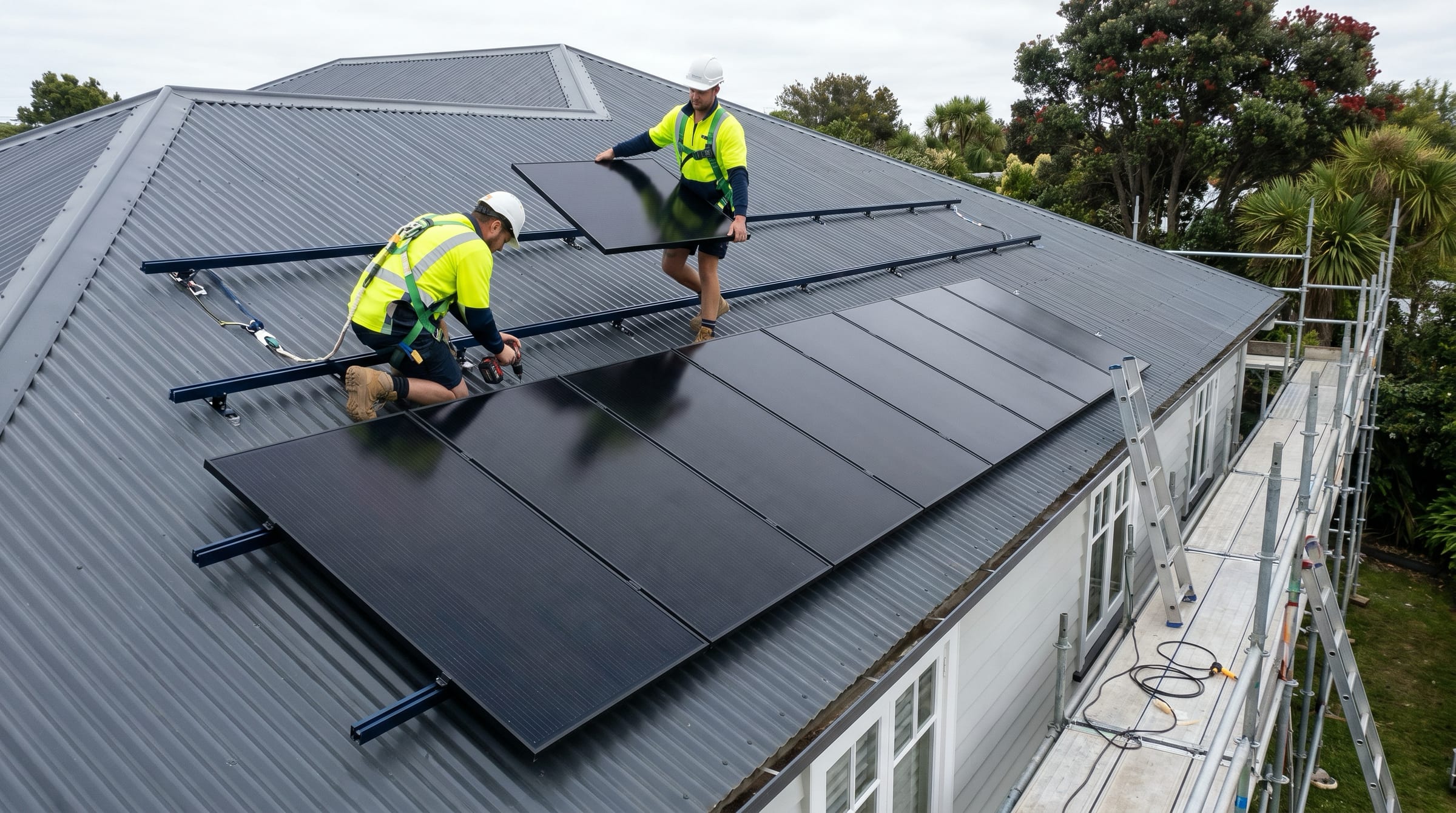
Home Solar Installation in NZ: What Happens, Step by Step
The complete NZ solar installation timeline: 4-8 weeks from quote to live system. DG approvals, install day, meter upgrades, and the delays nobody warns you about.
Read
Is My House Suitable for Solar Panels?
Check if your NZ home is right for solar. Roof direction, pitch, shade, and structural factors explained for Kiwi houses.
Read
Do Solar Panels Work in Winter and on Cloudy Days in NZ?
Solar panels still generate power on cloudy days and through NZ winters. Here's exactly how much output changes and why it still works.
Read
Join the conversation
The best comments are honest ones: Real experience. Share yours, please stay civil and on topic. No self-promo links.
Your email is never shown or shared. To change or remove a comment later, .
No comments yet. What is your experience with this? Be the first to weigh in.