

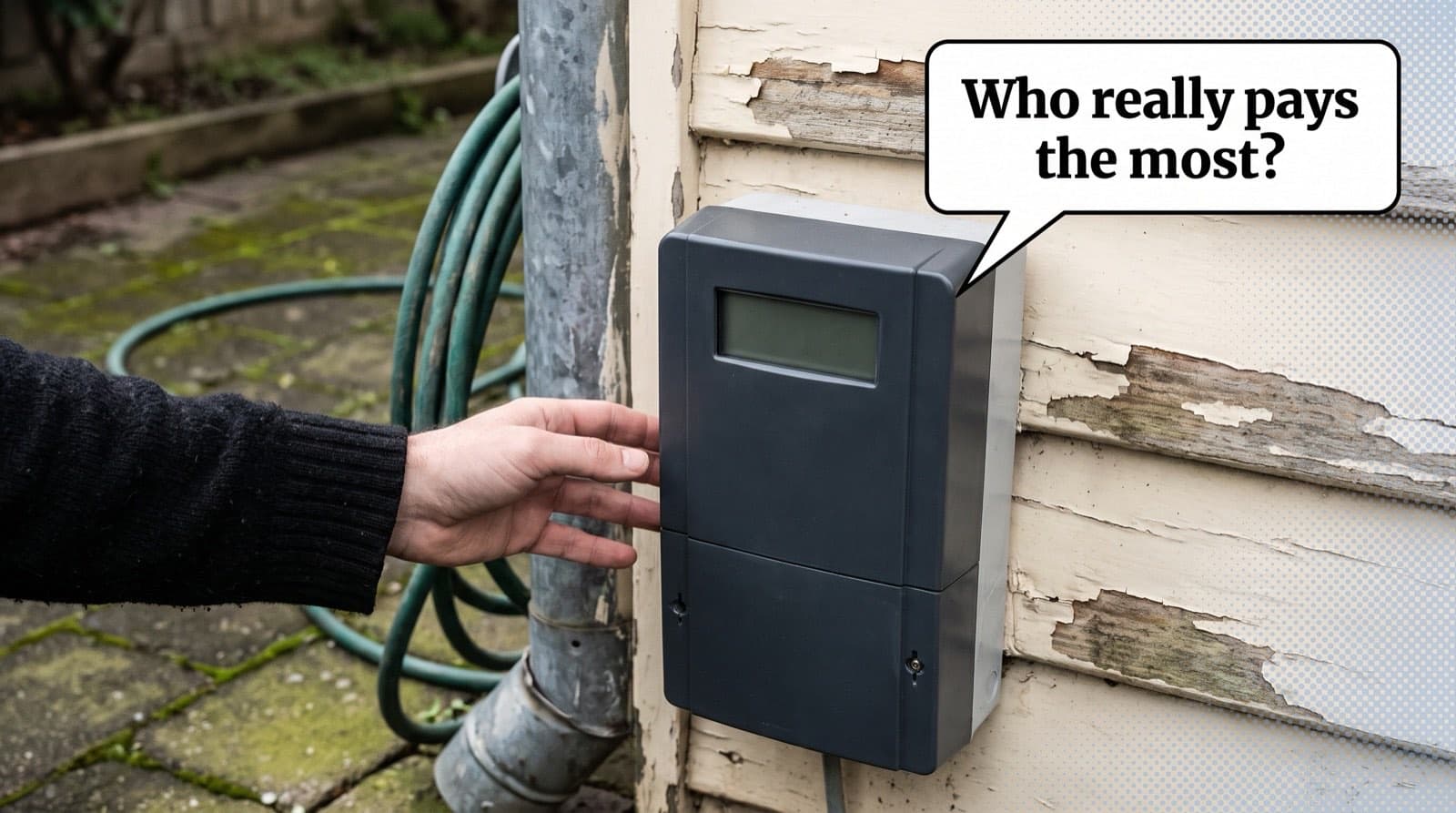
The 24c buy-back rate on the posters was a winter rate. Meridian paid it from 7 to 10am and 5 to 9pm on weekdays in July, August and September, and on 1 October it went back to 15c. Powershop's 23c did the same and went back to 13c. Mercury's Flex plan dropped from 20.38c at the winter peak to 10.44c at the summer peak, and from 15.75c to 9.17c off-peak. None of this is a cut. It is the shape the plans always had, and October is when a solar roof starts exporting most of what it makes for the year. The rate that matters between now and next July is the one you were not shown.
Key Points
- Meridian's 24c, Powershop's 23c and Mercury's 20.38c were winter peak rates. From 1 October 2026 those plans pay 15c, 13c and 10.44c a unit.
- October to March is when a roof exports most, so the summer rate decides what the year earns, not the winter headline.
- Without a battery, the best summer rate is a flat one: Ecotricity at 17c to 18c with no contract, or Power Edge at 17.39c on a three-year term.
- With a battery, Contact's Good Charge pays 25c on weekday mornings and evenings all year, with 8c the rest of the time; Octopus's Peaker pays 23c at peak and 10c off-peak.
- The winter peaks return in July 2027 on current terms. Check the plan page before you switch; retailers can change any rate at any time.
Every retailer's published pair, peak and off-peak, is on our best solar buy-back rates guide, re-checked against Powerswitch's table on 19 October. This piece is about what changed on 1 October and who it changes the answer for.
The three plans that changed on 1 October
Meridian's Freedom and Night Saver plans pay 15c a unit all year, excluding GST, and add a 9c credit on exports inside the winter peak windows. That credit stopped on 30 September. The 15c is what every export earns until July 2027, and Meridian's other residential plans, including its EV plan, pay a flat 12c.
Powershop's plan pays 13c a unit for most of the year, lifting to 23c in the weekday peak windows in July, August and September. From 1 October it is 13c again.
Mercury's Flex plan has four rates, not two. Winter, from 1 May to 30 September, pays 20.38c at peak and 15.75c off-peak. Summer, from 1 October to 30 April, pays 10.44c at peak and 9.17c off-peak. The peak hours stay the same in both seasons, 7 to 11am and 5 to 9.30pm. A Flex customer who switched for the winter headline is now on the lowest off-peak rate of the three.
Who is paid the most now, with and without a battery
Without a battery, almost everything you export leaves the roof between 10am and 4pm, outside every peak window on every plan. The number to compare is the off-peak or flat rate. On the published cards that is Ecotricity's flat plan at 18c for low users and 17c for standard users, with no contract, then Power Edge at 17.39c, which needs a three-year contract and drops to 12.5c without one. Ecotricity's ecoSOLAR time-of-use plan pays 16c off-peak and 21c at peak. Genesis's HomeGen pays 12.5c off-peak or a flat 12.5c; Frank pays a flat 12.5c; Toast 12.5c on its four networks; Pulse 12c; Nova 10c; Octopus's Free Lunch 8c off-peak; Contact 8c on its other plans and outside Good Charge's windows.
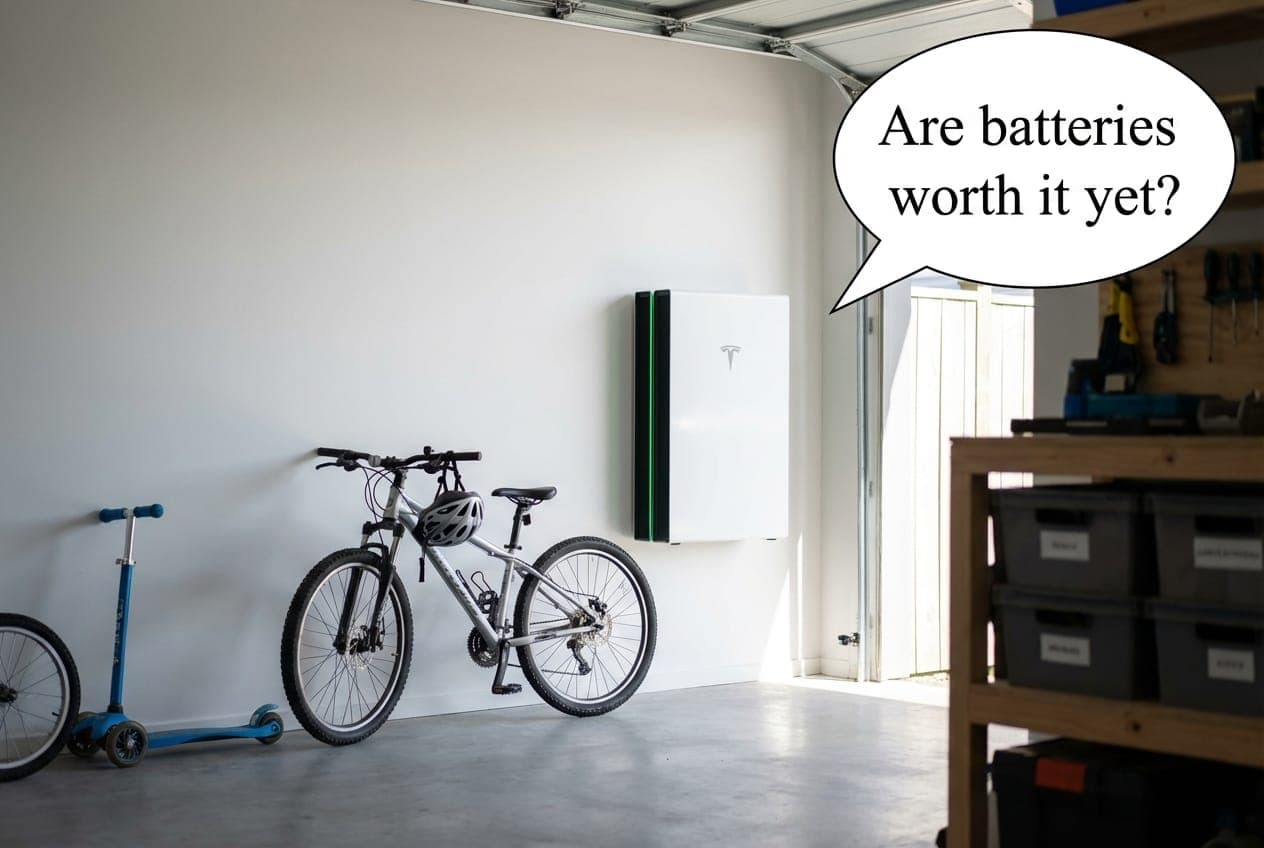
With a battery that discharges into the evening peak, the peak rate is worth chasing. Contact's Good Charge is the top of the market at 25c a unit, excluding GST, on weekdays from 7 to 9am and 6 to 10pm, with 8c at every other hour; it has been on Contact's all-plans page since the plan changed on 29 June 2026. Octopus Energy's Peaker plan pays 23c at peak and 10c off-peak all year, for systems of 20 kW or less, with lower figures on the Northpower network. Electric Kiwi's MoveMaster advertises 23c at peak and 11.5c off-peak including GST, which is the 20c and 10c Powerswitch lists excluding it, so the two sources agree once you know the basis. Octopus says on its own page that you are unlikely to make the most of the peak rate without a battery, and it is right.
Every rate, side by side












What to do if you switched for a winter rate
If you moved to Meridian, Powershop or Mercury in winter for the headline, you are now on 15c, 13c or 10.44c for the months that matter most. Three checks before you move again. First, read the off-peak rate on the plan you are considering, not the peak. Second, check the contract term and the exit fee; Power Edge's 17.39c is a three-year commitment. Third, run your own usage on Powerswitch, which prices your address rather than an average one. If your export is large and your evening use is small, a flat plan will beat every peak plan between now and July.
Since 1 July 2026 the four retailers holding most of the country's connections have had to offer an export plan whose rate changes through the day. There is still no minimum rate, which is why an 8c off-peak can sit under a 23c headline on the same card.
Keep reading

Sources
All checked 19 October 2026. The retailer figures are the ones on our buy-back registry, confirmed against Powerswitch's published solar table (which lists rates excluding GST) and each retailer's own page where it publishes one.
- Solar buy-back rates, Powerswitch, Consumer NZ, September 2026 table, re-pulled 19 October 2026
- Meridian solar, Meridian Energy, winter peak credit July to September
- Mercury Flex plan, Mercury, seasonal export rates
- Octopus Energy solar export, Octopus Energy, Peaker plan terms
- Electric Kiwi solar, Electric Kiwi, rates including GST
- Contact Energy, all plans, Contact, Good Charge 25c/kWh weekdays 7 to 9am and 6 to 10pm, 8c otherwise, excl GST, checked 19 October 2026
Key Points
- Meridian's 24c, Powershop's 23c and Mercury's 20.38c were winter peak rates. From 1 October 2026 those plans pay 15c, 13c and 10.44c a unit.
- October to March is when a roof exports most, so the summer rate decides what the year earns, not the winter headline.
- Without a battery, the best summer rate is a flat one: Ecotricity at 17c to 18c with no contract, or Power Edge at 17.39c on a three-year term.
- With a battery, Contact's Good Charge pays 25c on weekday mornings and evenings all year, with 8c the rest of the time; Octopus's Peaker pays 23c at peak and 10c off-peak.
- The winter peaks return in July 2027 on current terms. Check the plan page before you switch; retailers can change any rate at any time.


compare.
Related guides
View all
Do Solar Panels Work in Winter and on Cloudy Days in NZ?
Solar panels still generate power on cloudy days and through NZ winters. Here's exactly how much output changes and why it still works.
Read
Solar Panel Costs NZ: What You'll Actually Pay in 2026
Real pricing data for NZ solar in 2026. System costs by size, what affects price, and how to tell if a quote is fair.
Read
Best Solar Installers NZ (2026)
How to find a quality solar installer in NZ. What to look for, red flags to avoid, and when SEANZ membership matters for your bank loan.
Read
How to Get Solar Quotes in NZ (and Compare Them Properly)
How to get solar quotes in NZ: EECA's 2-3 quote rule, where to get them, what to have ready, comparing $/W like-for-like, and the red flags in the quoting process.
Read
10kW Solar System NZ: Price, Output and Is It Too Big? (2026)
10kW solar systems in NZ: $15,000-18,000 installed, 13,000-14,300 kWh a year, 22-24 panels, the 40m² engineering rule, export limits, and when 6.6kW beats it.
Read
Solar Hot Water NZ: What It Costs and Whether It's Worth It
Solar hot water in NZ: thermal systems run $7,000-9,000 installed and cover 50-75% of your hot water. Why most homes now do it with PV and a diverter or a heat pump cylinder instead.
Read
Join the conversation
The best comments are honest ones: Real experience. Share yours, please stay civil and on topic. No self-promo links.
Your email is never shown or shared. To change or remove a comment later, .
No comments yet. What is your experience with this? Be the first to weigh in.